


Hollyhock rust – Puccinia malvacearum
 Print
Print Email
EmailPathogen: Puccinia malvacearum
Hosts: Alcea, Althaea, Lavatera, and Malva.
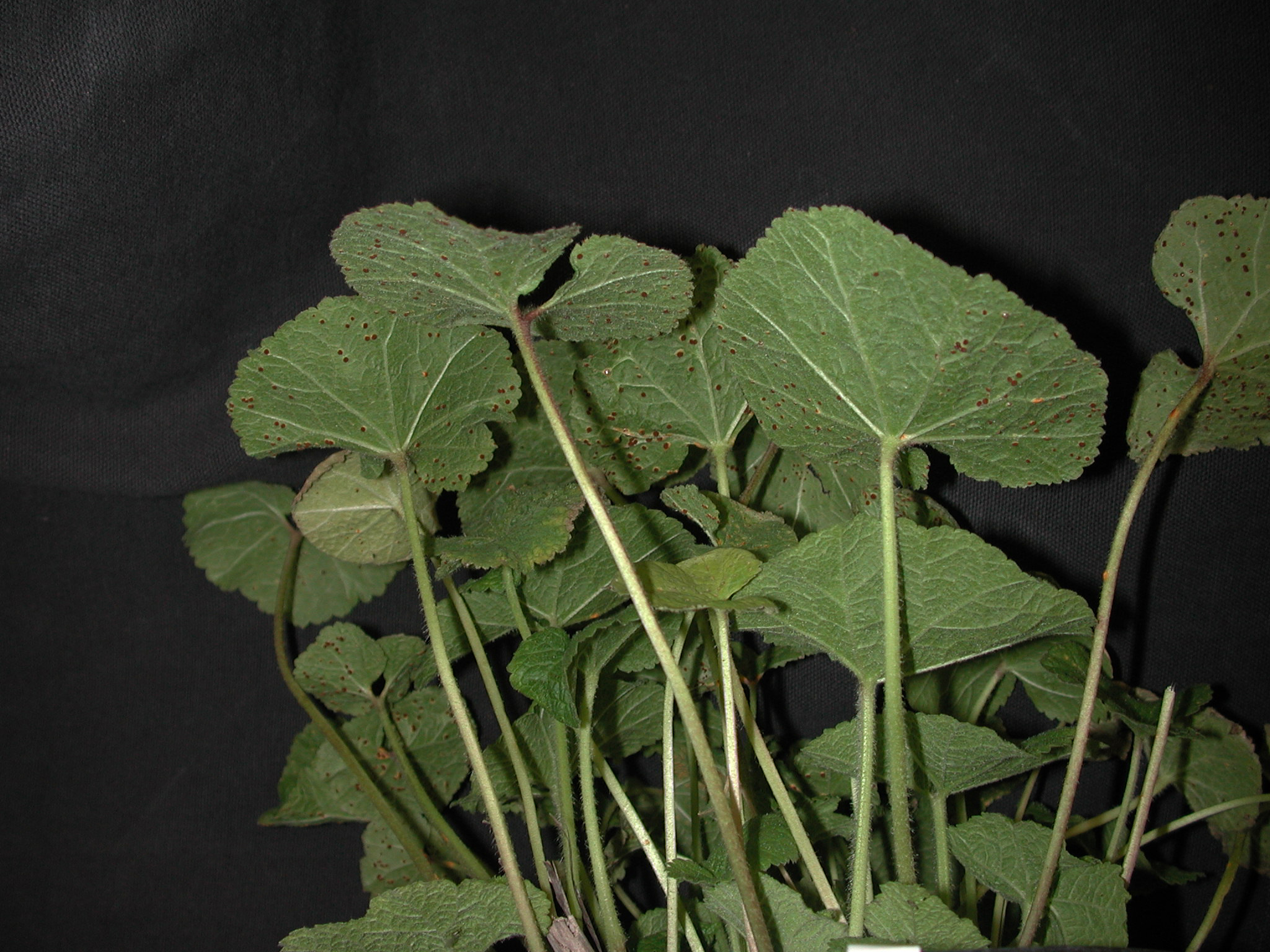
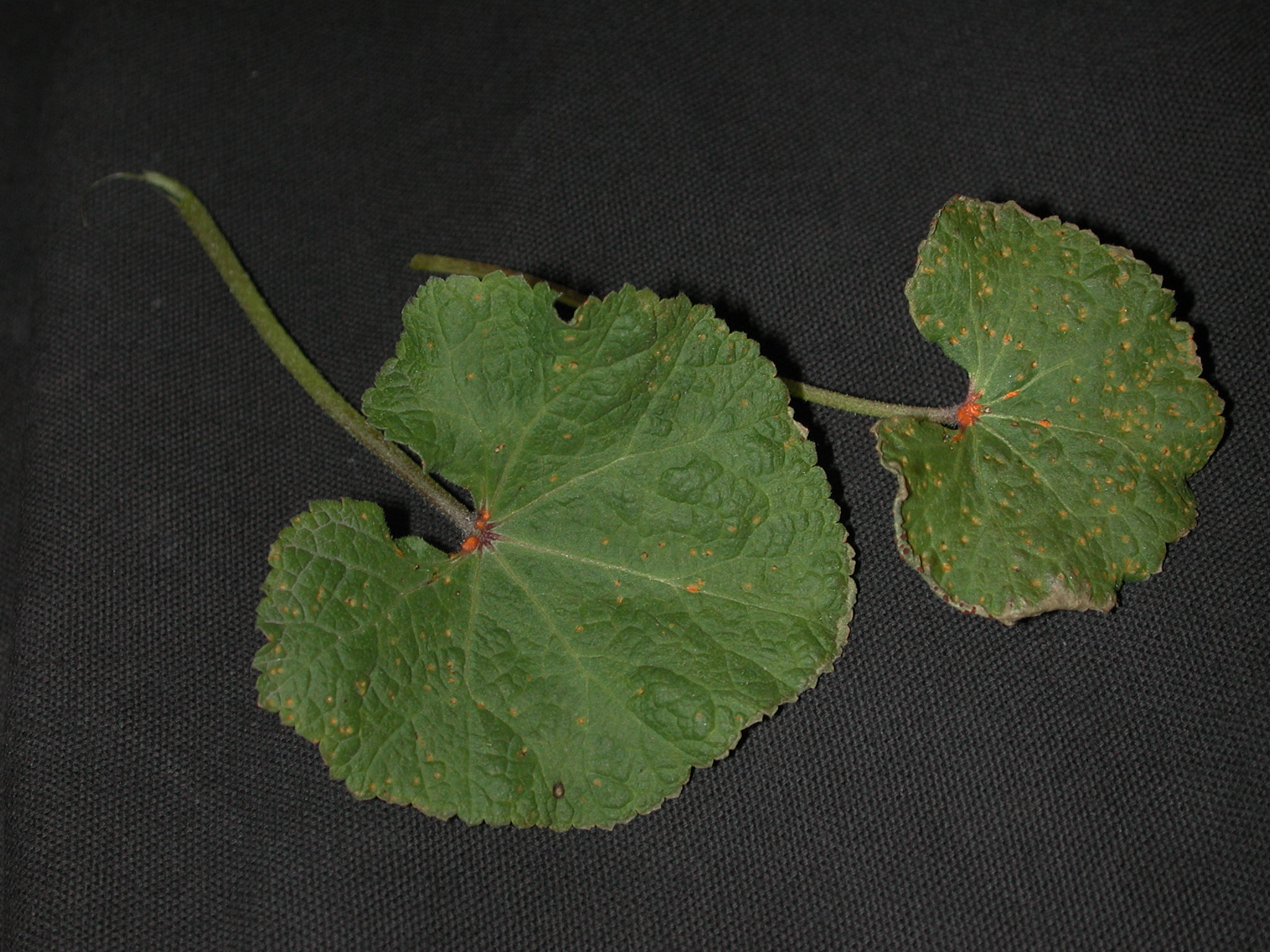
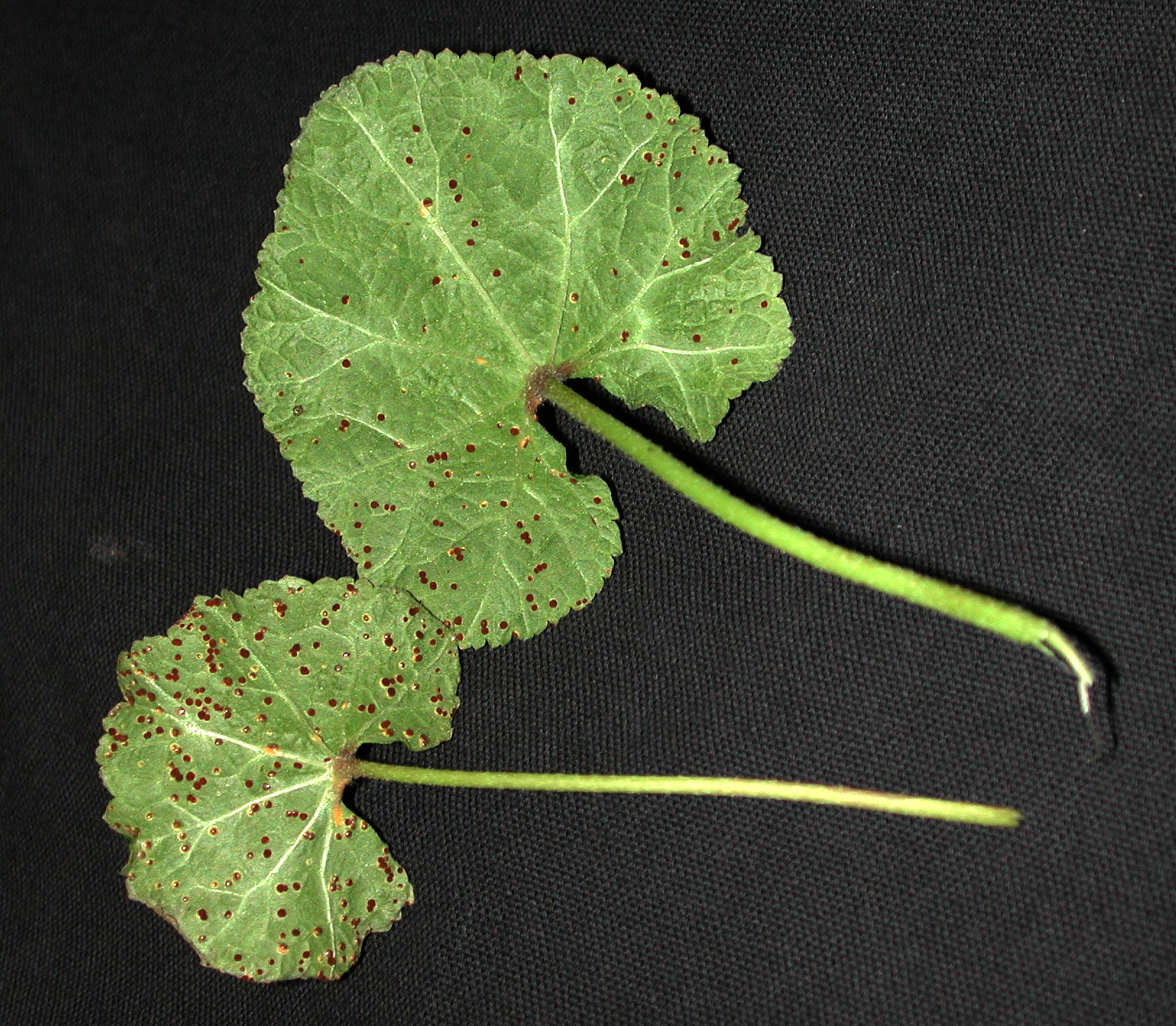
Symptoms: Small brown spots develop on the underside of foliage. Raised, bright yellow or orange pustules are visible on the upper leaf surface. When disease is severe large portions of the foliage are killed.
Spread: Spores can over winter on diseased plant tissues infecting new foliage the following year. Spores are also produced on susceptible weeds these can subsequently infect and cause disease on hollyhocks. Spores are wind dispersed.
Management: Disease control on seedlings is especially important. Fungicide applications at regular intervals are necessary when disease is severe. Plants should be cut back as soon as flowering is done. Plant debris should be removed and destroyed, it should not be composted. Several weeds (in the mallow family) are also susceptible; these weeds should be controlled to limit inoculum in the growing area.
Other Documents in this Series
You Might Also Be Interested In
-
MSU named Top 10 agriculture and forestry college in new report
Published on March 23, 2021
-
Conventional drill versus precision planting in wheat: What do we know so far?
Published on June 8, 2020
-
New research on yield response to wheat leaf architecture
Published on June 16, 2020
-
Planting the 2023 Wheat Crop
Published on September 6, 2022
-
Management considerations for late-planted wheat
Published on September 28, 2023
-
Herbicide Resistance in Field Crops
Published on May 21, 2026


Accessibility Questions:
For questions about accessibility and/or if you need additional accommodations for a specific document, please send an email to ANR Communications & Marketing at anrcommunications@anr.msu.edu.