


Thielaviopsis basicola
 Print
Print Email
EmailPathogen: Thielaviopsis basicola
Hosts Include: Digitalis, Gaillardia, Geranium, Lathyrus, Lupinus, Pachysandra, Phlox, and Viola.
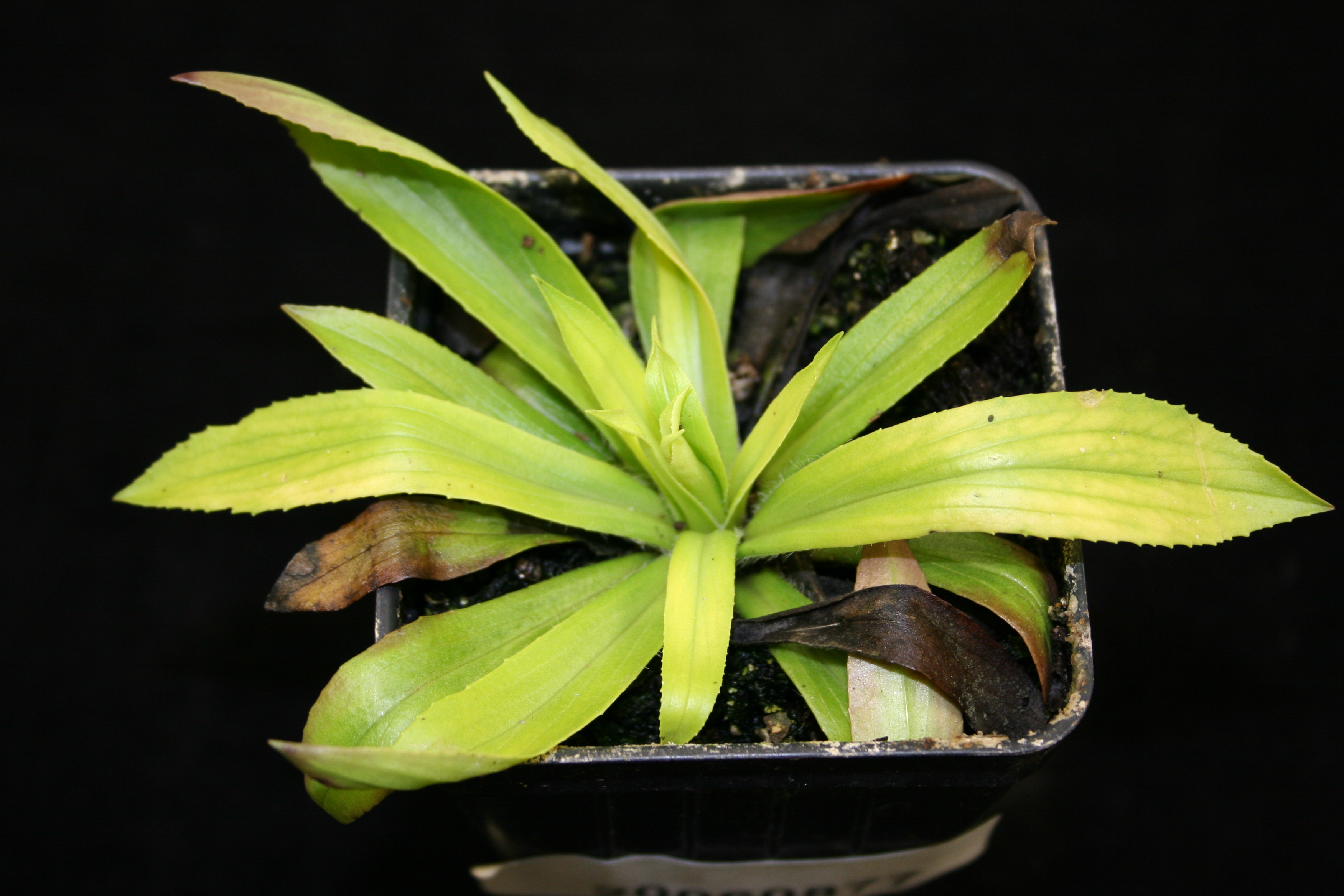
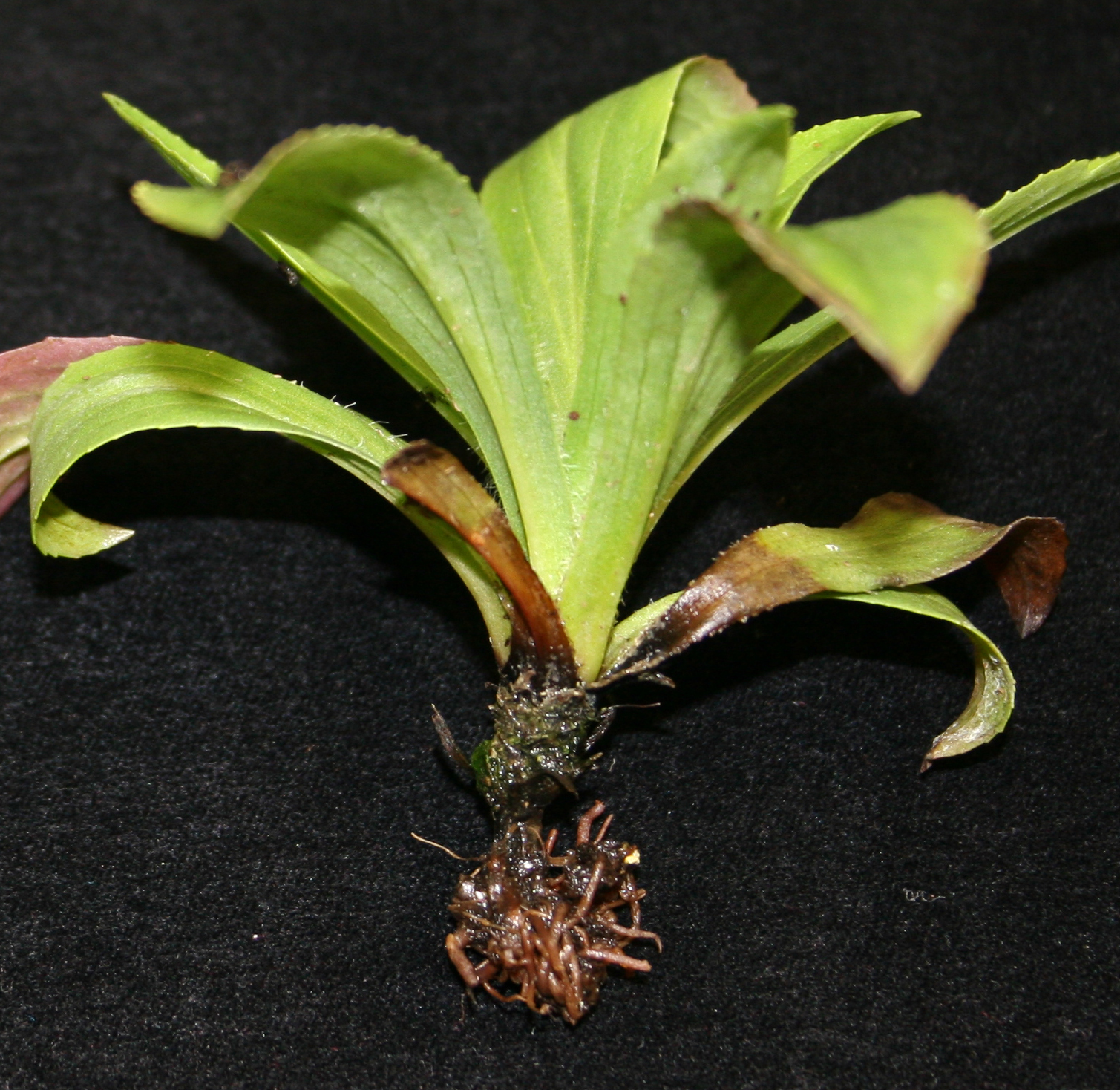
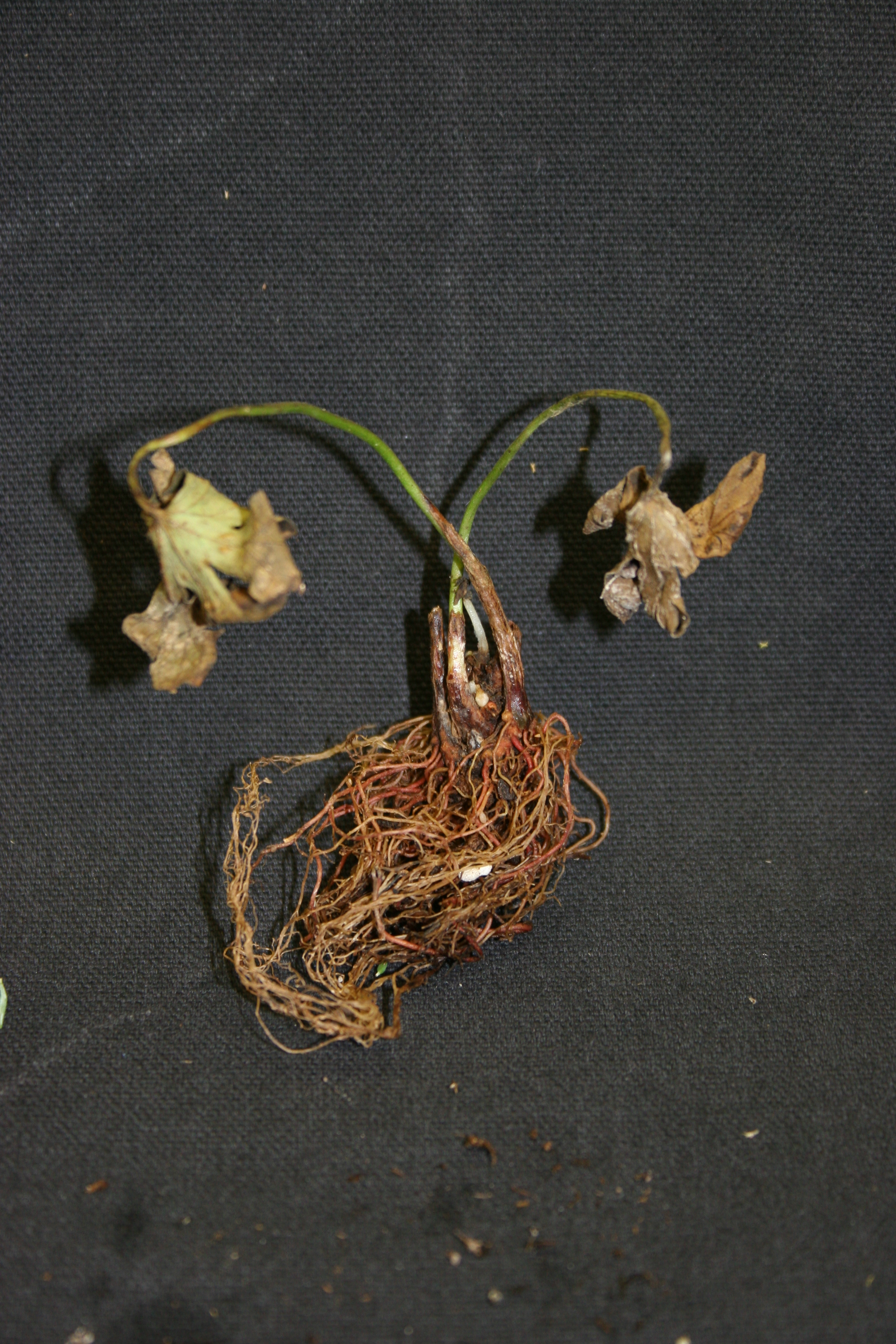
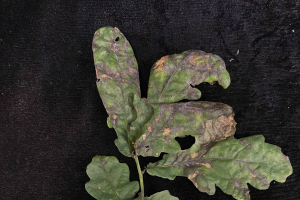
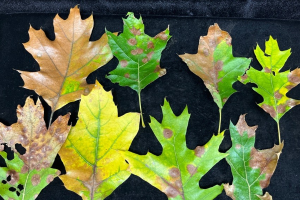
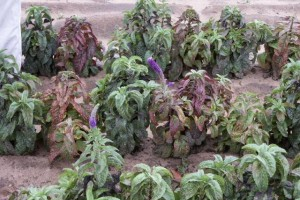
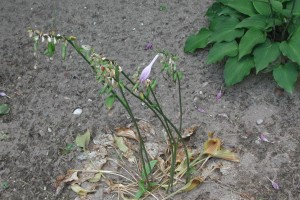
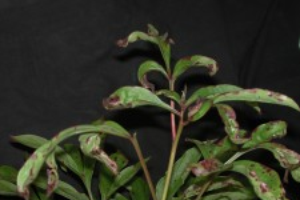
Symptoms: Stunting, yellowing, and plant death. Symptoms are often mistaken for nutrient deficiency symptoms.
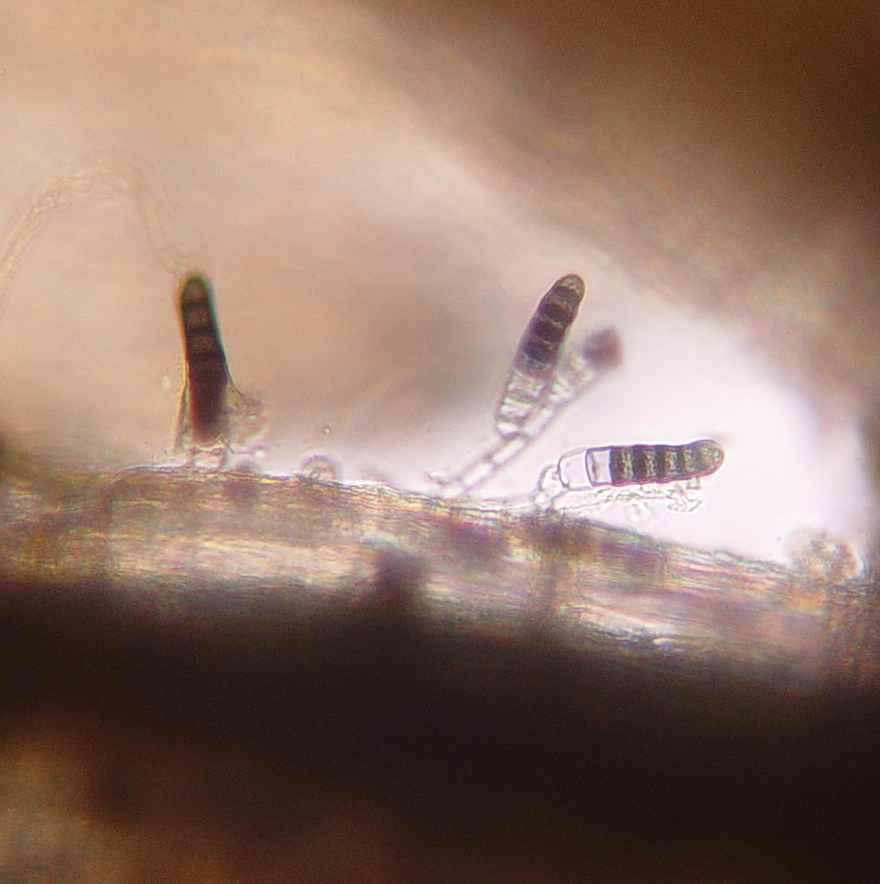
Spread: Thielaviopsis basicola produces spores that can persist for long periods of time in soil or on infested pots and equipment. Reusing infested equipment is a common source of disease. Fungus gnats and shore flies can vector spores.
Management: Do no reuse plug trays, flats or pots for susceptible crops. Keep good records of the production areas where there have been problems with T. basicola. Avoid growing susceptible crops in these areas for several years. Fungicide drenches should be used to protect very susceptible plants from infection.
Other Documents in this Series
You Might Also Be Interested In

Accessibility Questions:
For questions about accessibility and/or if you need additional accommodations for a specific document, please send an email to ANR Communications & Marketing at anrcommunications@anr.msu.edu.