White Smut – Entyloma polysporum
 Print
Print Email
EmailPathogen: Entyloma polysporum
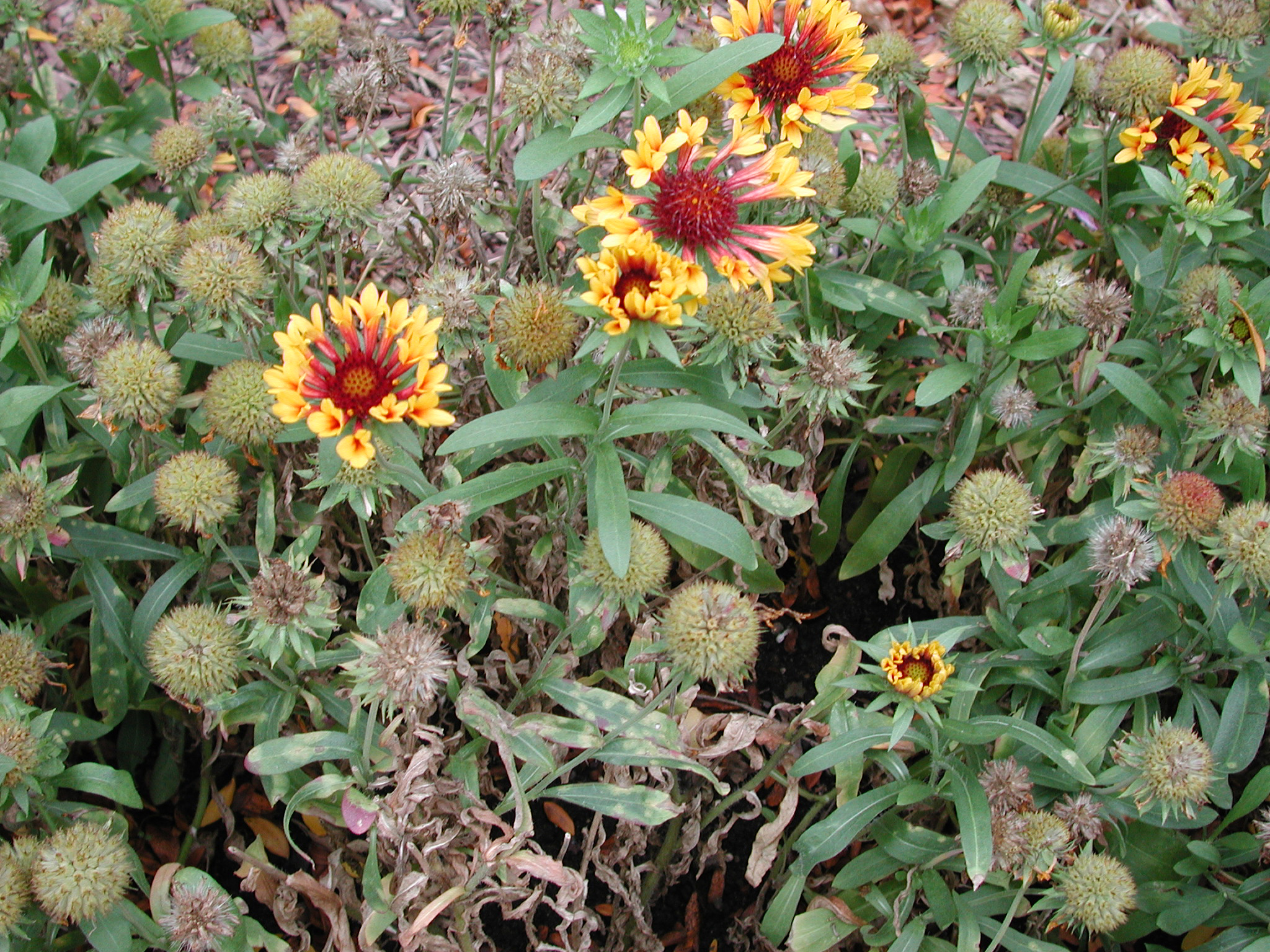
Hosts: Aster, Echinacea, Gaillardia, Helianthus, and Rudbeckia.
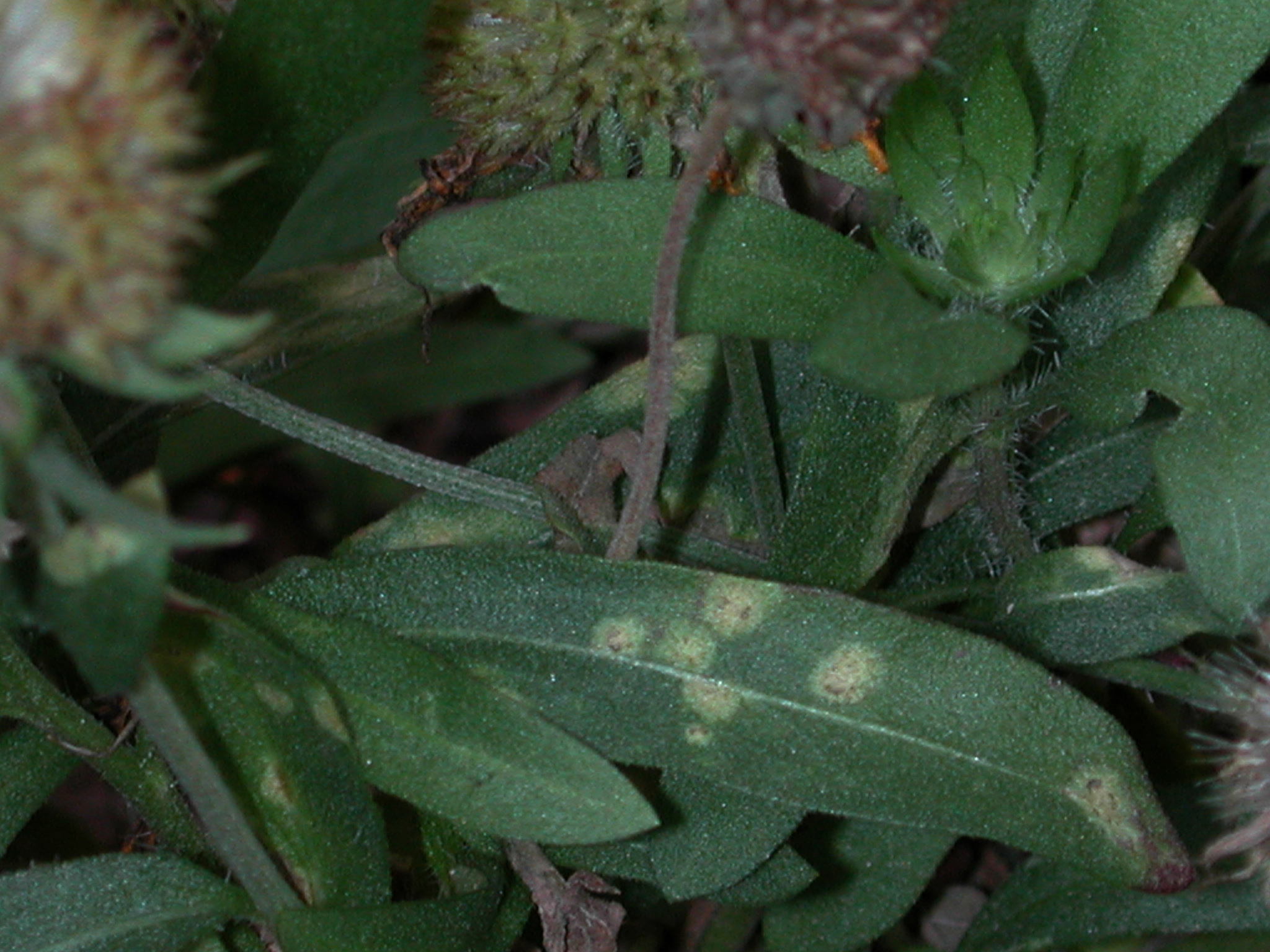
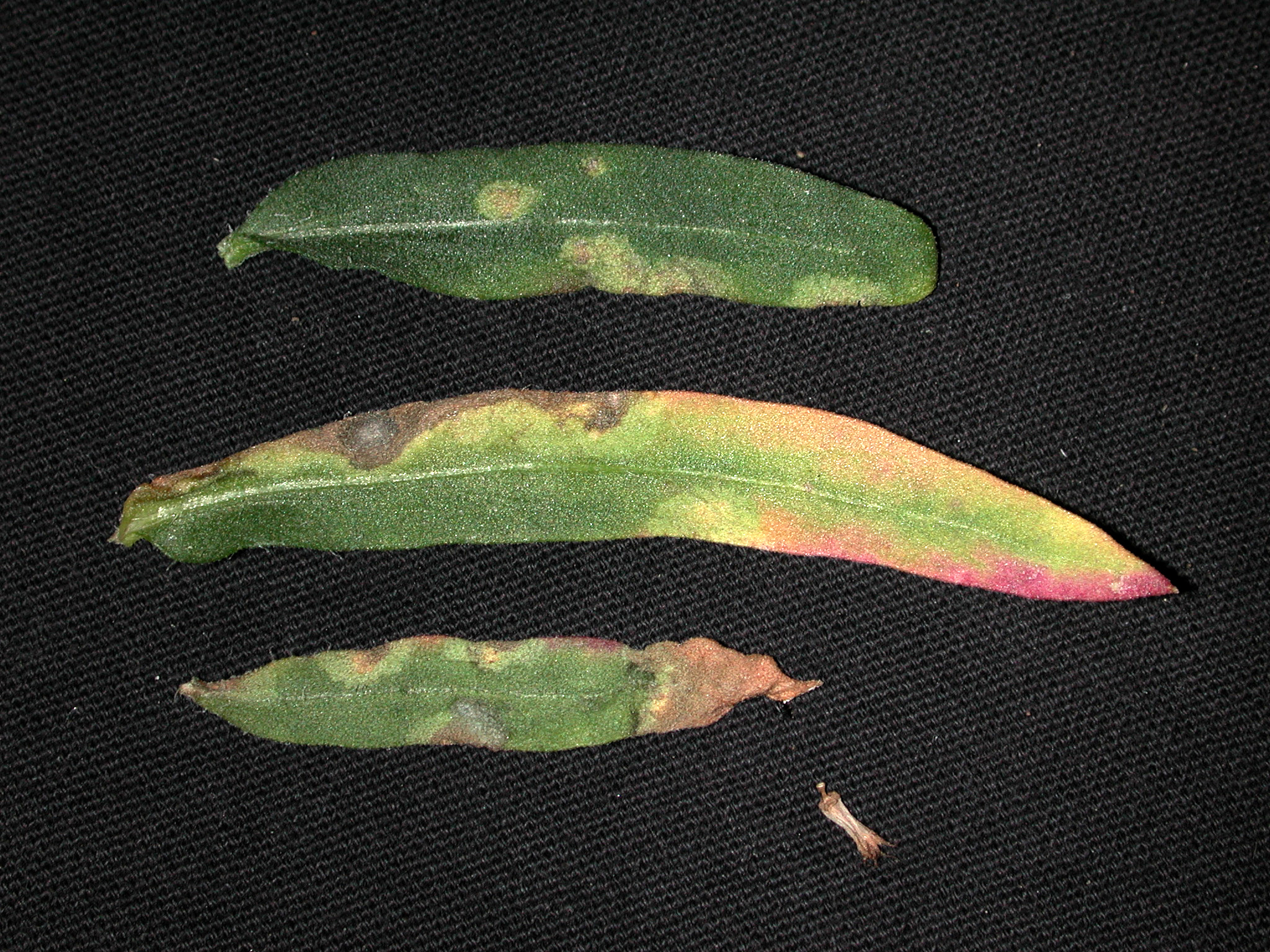
Symptoms: Round, white spots, up to 1cm in diameter, young lesions may create very faint spots. Over time the spots turn brown and become necrotic.
Spread: Spores are formed inside the leaf tissue, as lesions mature the leaf surface ruptures releasing the spores. Spores are wind dispersed. A white powdery material may be visible on the leaf surface. Spores of this fungus are not known to survive winters in the northern areas of the U.S.
Management: Remove all symptomatic plants. Plants in the greenhouse may need fungicide applications to achieve good disease control. The disease is favored by cool, humid conditions, disease spread will be slow under warm dry conditions.
Note: Of the hosts listed above Gaillardia is most susceptible, the disease has been documented on the cultivars ‘Goblin’, ‘Baby Cole’ and ‘Fanfare’. This disease has been seen with increasing frequency in the last few years.