Septoria leaf spot
 Print
Print Email
EmailPathogen: Septoria spp.
Hosts Include: Artemisia, Baptisia, Campanula, Chrysanthemum, Coreopsis, Delphinium, Dianthus, Echinacea, Gaillardia, Heuchera, Lamium, Lathyrus, Lupinus, Lychnis, Monarda, Potentilla, Ratibida, Rudbeckia, Stachys, Veronica, and Viola.
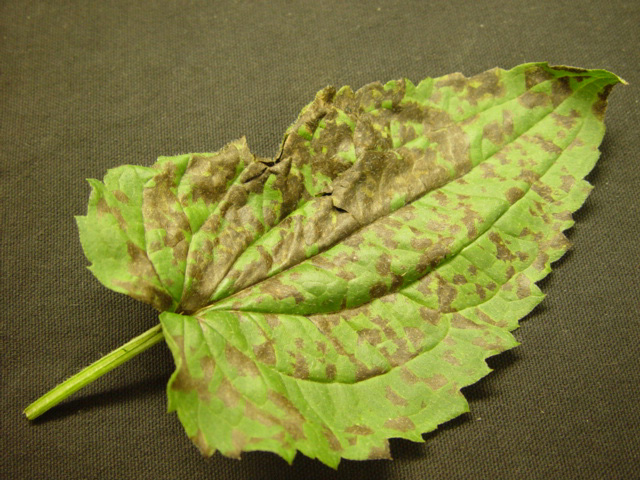
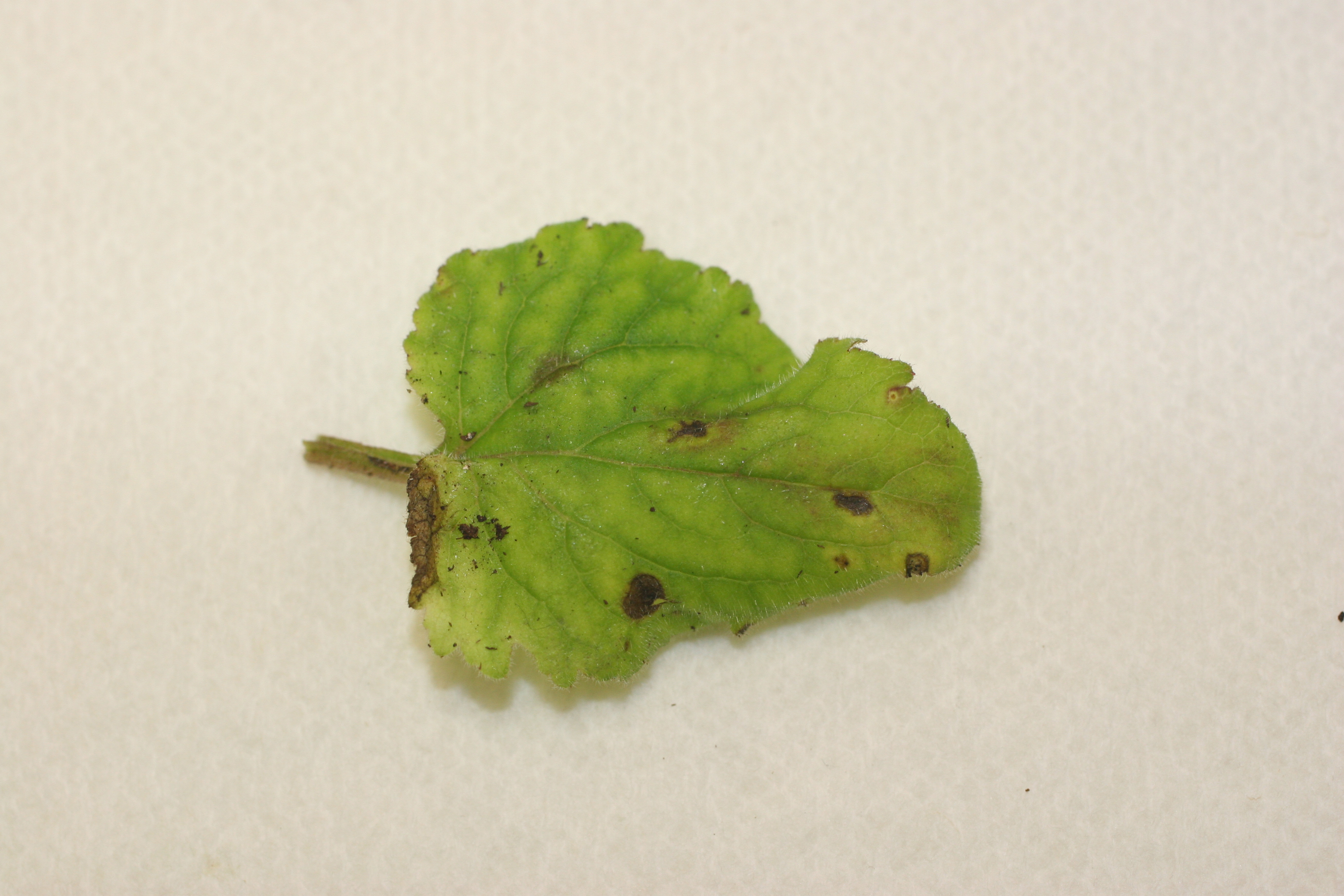
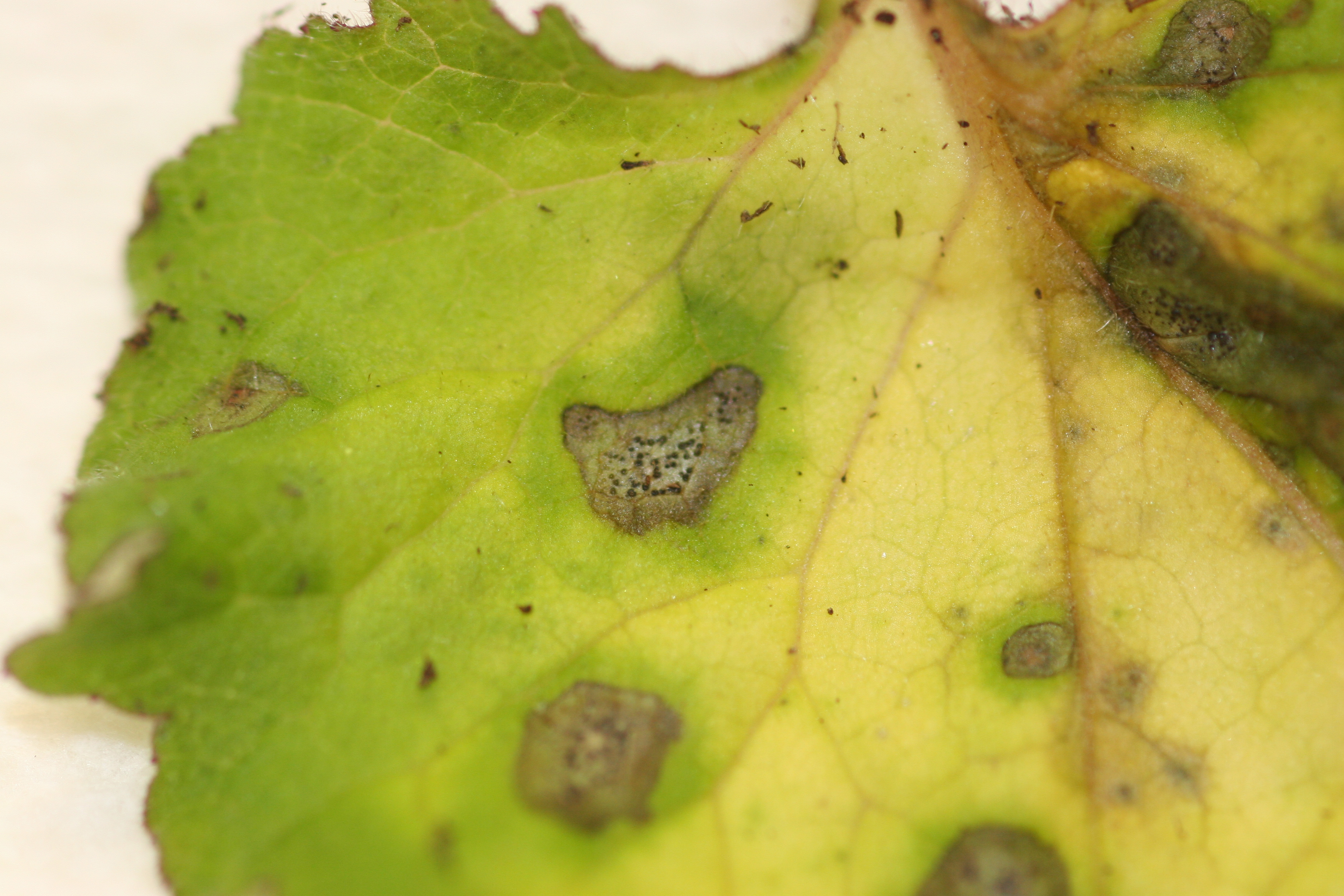
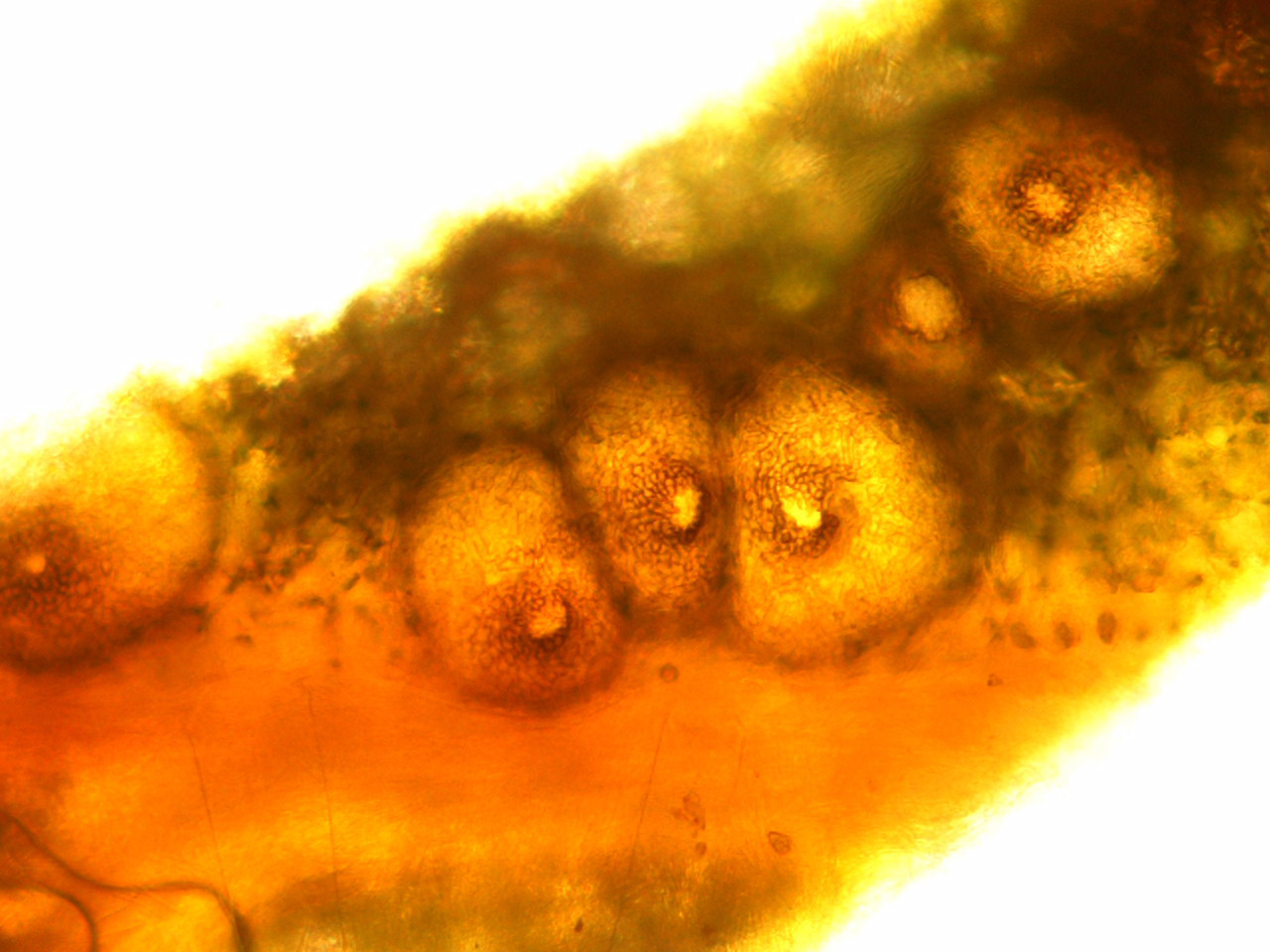
Symptoms: Tan to brown leaf spots, small black fruiting bodies (pycnidia) may be visible in the lesions. Lesions on Rudbeckia and Echinacea are purple. Lesions may be more severe on older foliage.
Spread: The disease may be introduced on infected material. Spores are splash dispersed to nearby foliage. Disease can also be spread by workers moving through wet foliage.
Management: There are many species of Septoria, each is relatively host specific, affecting only a few plant genera. Remove and destroy infected plant material. Avoid overhead irrigation or carefully time it such that the duration of leaf wetness is minimized. Protectant fungicides can be used to manage Septoria leaf spot.