


Daylily rust – Puccinia hemerocallidis
 Print
Print Email
EmailPathogen: Puccinia hemerocallidis
Hosts: Hemerocallis, Patrina (alternate host)
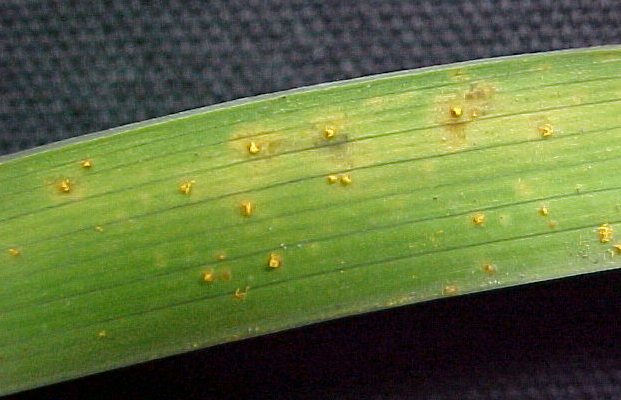
Symptoms: Raised yellowish-orange, powdery pustules on the surface of infected foliage. Significant foliar dieback occurs on especially susceptible cultivars.
Spread: Spores can be dispersed by wind or air movement. Movement of infected plant material is responsible for much of the long distance dissemination of this pathogen. This pathogen is not known to survive the winter in the northern areas of the U.S.
Management: Do not move or transport infected plant material. Carefully inspect incoming plant material for signs of rust. Fungicide applications are needed for disease management, especially on susceptible cultivars. Contact your local extension office for information on ratings of cultivar susceptibility and current fungicide control recommendations.
Other Documents in this Series
You Might Also Be Interested In
-
Bulletin E-3423 Farm Management Experience Resource Guide
Published on February 18, 2022
-
MSU students partner with Michigan communities to improve trail access
Published on May 30, 2025
-
MSU named Top 10 agriculture and forestry college in new report
Published on March 23, 2021
-
Celebrating 100 years of Michigan State University Extension in Alcona County
Published on October 19, 2017
-
CANR meets academic needs to prepare students for their futures
Published on February 1, 2020






Accessibility Questions:
For questions about accessibility and/or if you need additional accommodations for a specific document, please send an email to ANR Communications & Marketing at anrcommunications@anr.msu.edu.