


Daylily leaf streak – Collecephalus hemerocalli
 Print
Print Email
EmailPathogen: Collecephalus hemerocalli
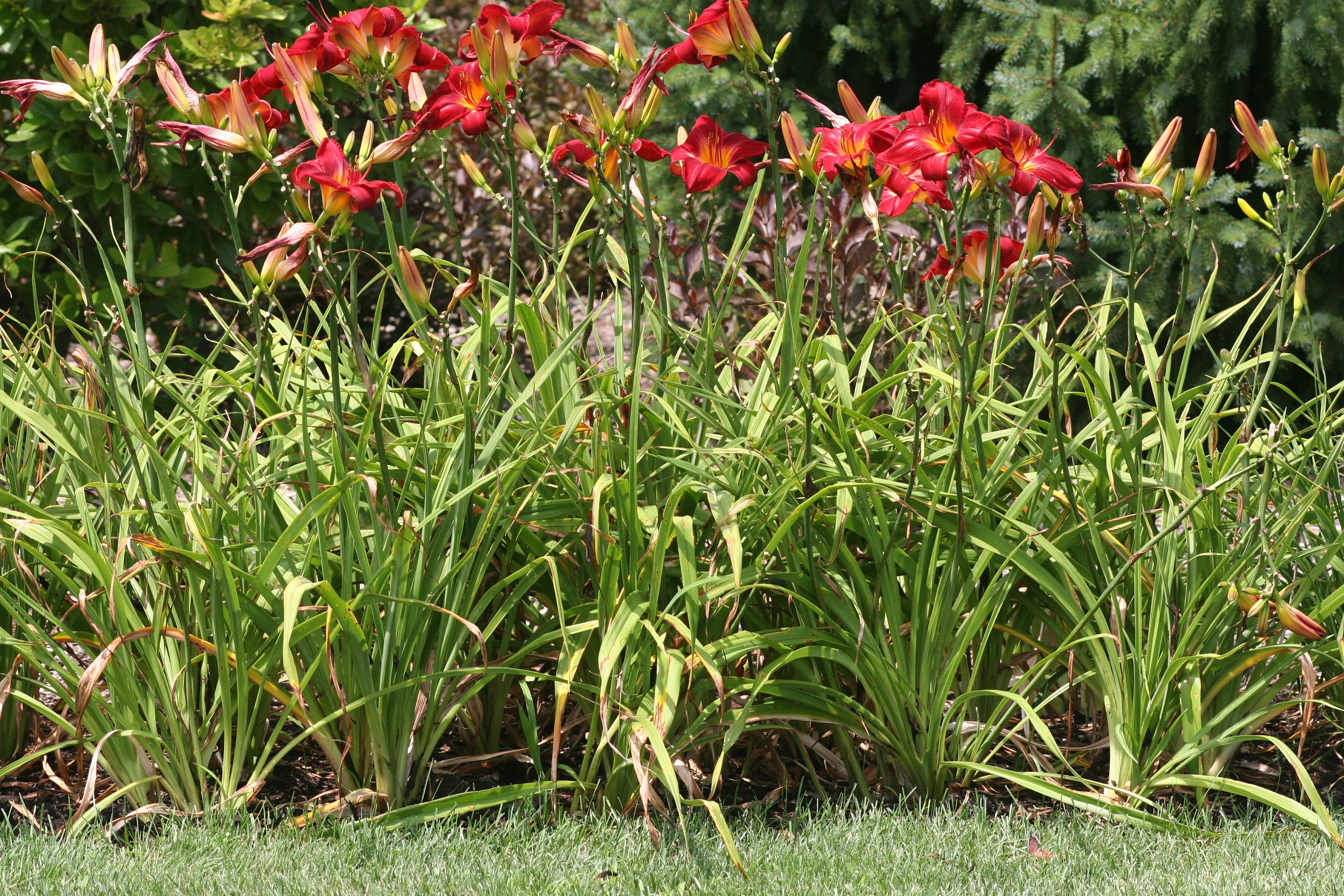
Hosts: Hemerocallis
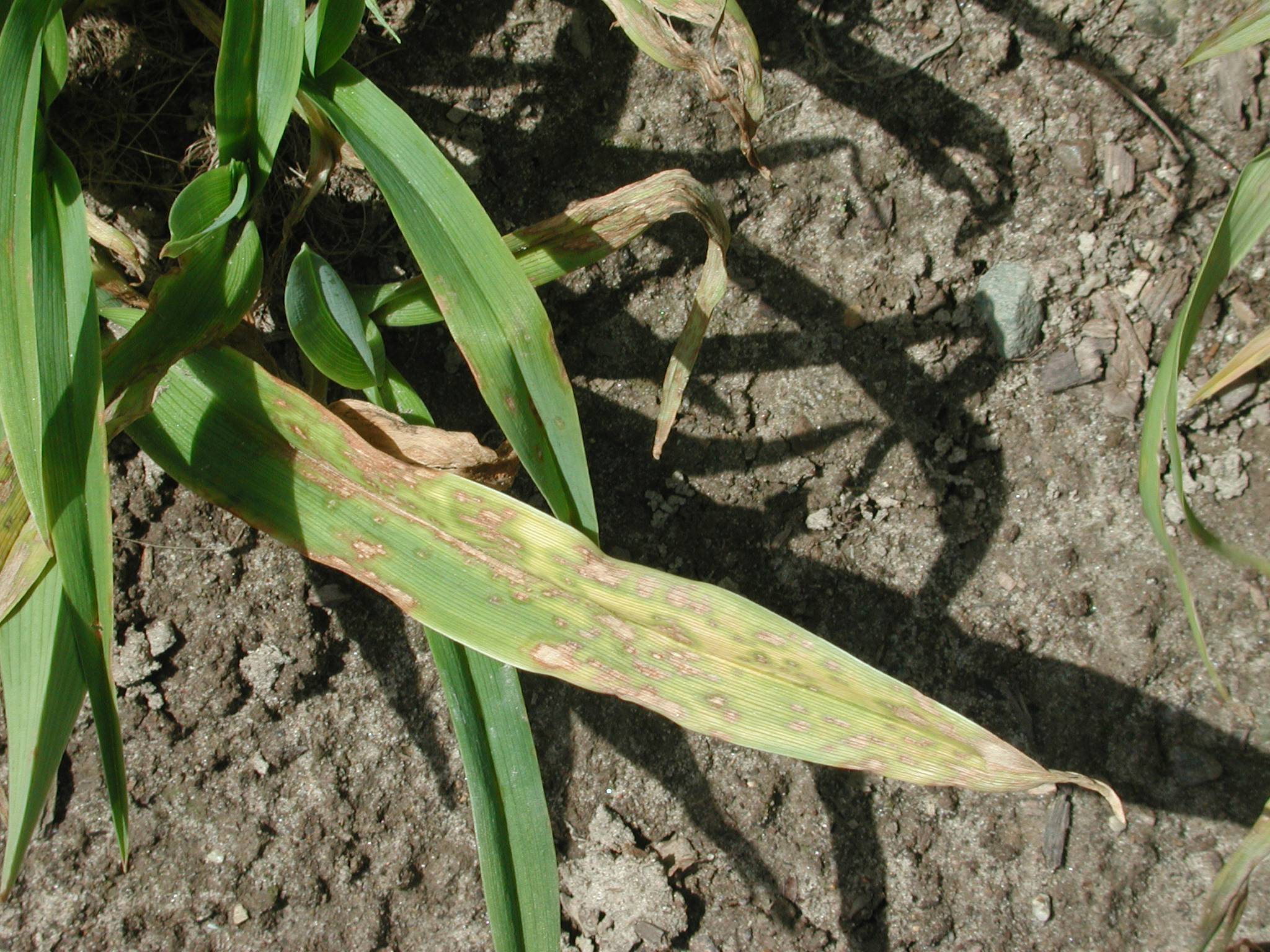
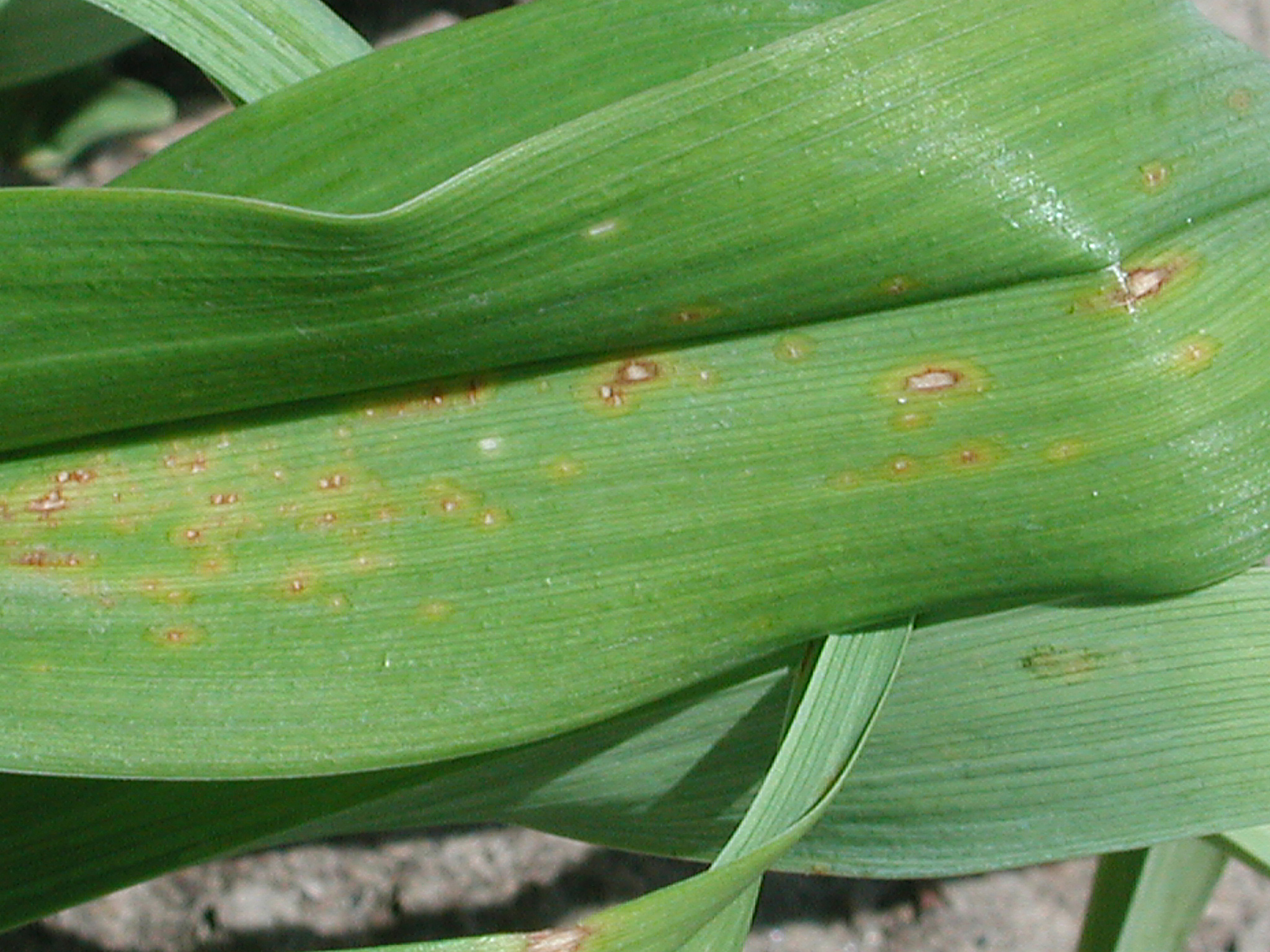
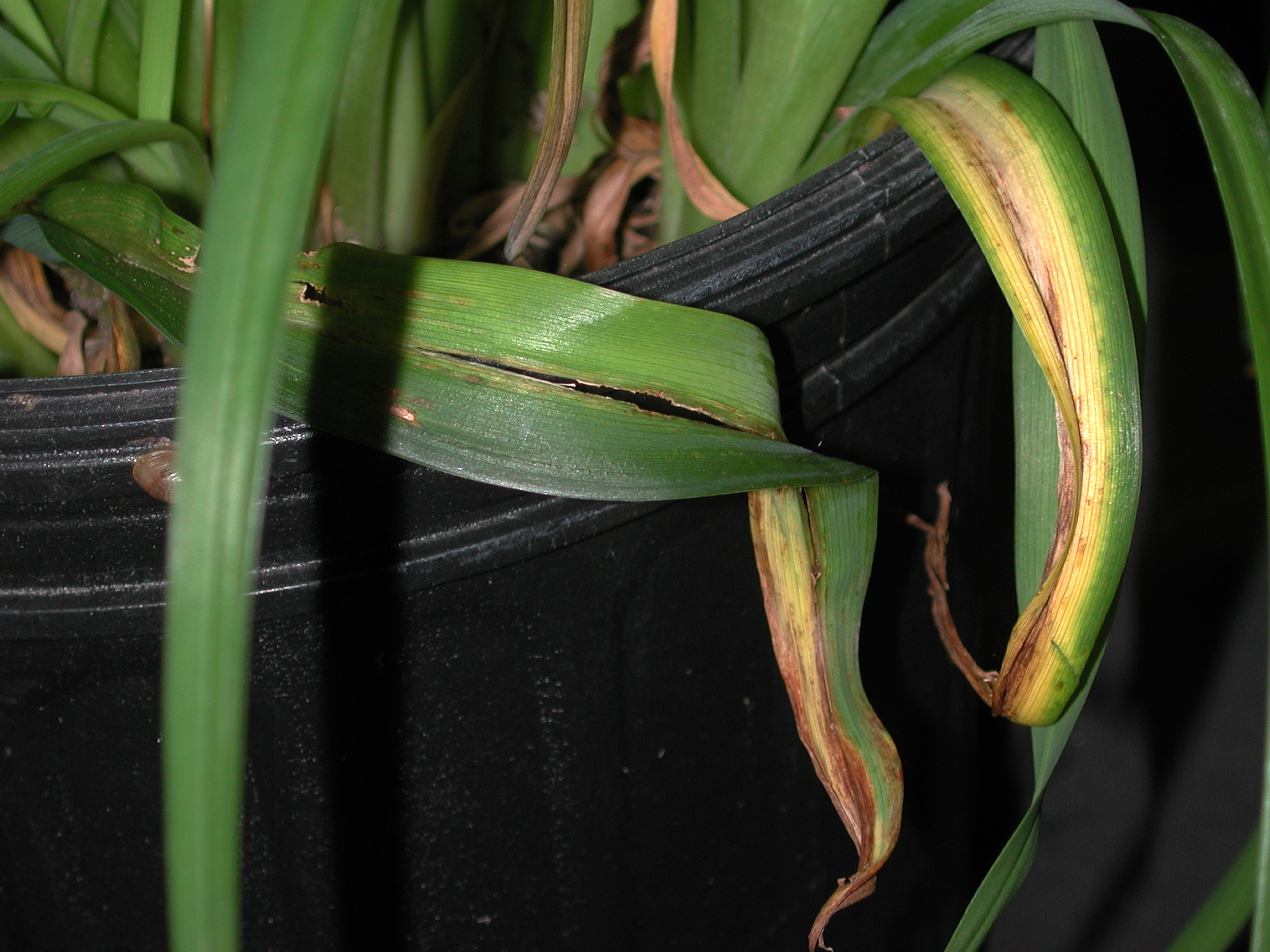
Symptoms: Elongated brown lesions, which are lengthwise on the foliage, surrounded by a chlorotic halo. Lesions that affect the midrib of a leaf cause the leaf to senesce from the lesion to the leaf tip. Tissue in the center of the leaf becomes necrotic, creating a dead “streak” down the middle of the infected leaf. Flower production may be decreased.
Spread: Diseased plant material can introduce the pathogen into a production area. C. hemerocalli produces wind borne spores on infected leaves. Sclerotia, an overwintering structure, are produced on dead or dying foliage.
Management: Cultivars vary in their susceptibility. Dead foliage from the preceding year should be removed. Poorly managed plants in overcrowded growing situations are more likely to become diseased. Disease is more severe early in the growing season, temperatures above 90F limits disease development.
Other Documents in this Series
You Might Also Be Interested In
-
MSU named Top 10 agriculture and forestry college in new report
Published on March 23, 2021
-
CANR provides rankings on department, unit initiatives around DEI
Published on May 3, 2023
-
Hendrick recommended as Dean of College of Agriculture and Natural Resources at MSU
Published on January 25, 2016
-
Interim Dean Daum shares vision for CANR at Michigan State University
Published on July 17, 2024
-
CANR provides rankings on department, unit initiatives around DEI
Published on April 26, 2022






Accessibility Questions:
For questions about accessibility and/or if you need additional accommodations for a specific document, please send an email to ANR Communications & Marketing at anrcommunications@anr.msu.edu.