


Marinating meat, poultry and fish
 Print
Print Email
EmailMarinate for a tender, flavorful and safe main dish.
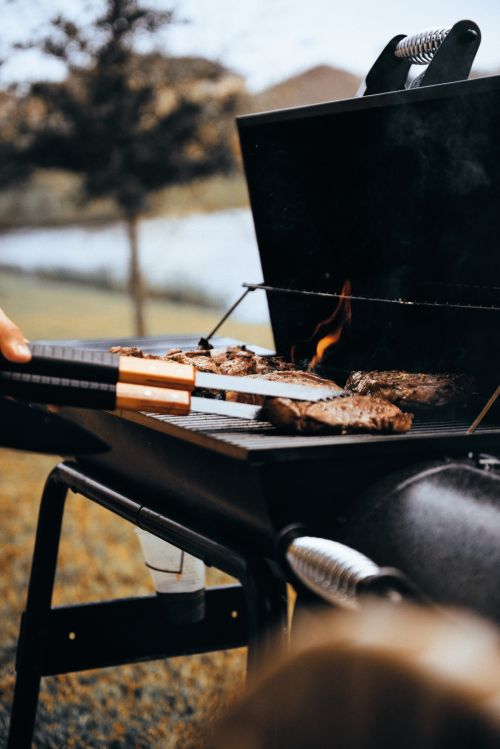
Marinating is a common way to tenderize and add flavor to meat, poultry and fish. A marinade can range from a simple splash of commercially bottled Italian salad dressing to a variety of ingredients that create unique flavor profiles. Marinades are also useful for tenderizing tough cuts of meat. Improper handling of marinades with raw meat, poultry and fish can potentially lead to foodborne illness. MSU Extension recommends following a few safety tips to keep marinated meat, poultry and fish the main attraction.
Marinade ingredients
Most marinades contain an acidic ingredient, such as vinegar or citrus, or a dairy ingredient, such as buttermilk or yogurt. The acidic ingredient in a marinade tenderizes the meat, poultry or fish by breaking down the protein fibers. Herbs, spices and aromatics, such as garlic and onion, infuse flavor.
Oil helps meat, poultry and fish retain moisture and prevents them from sticking to the grill grates. The addition of honey, brown sugar or molasses will create a BBQ sauce flavor. Other ingredients, such as soy sauce, broth and stock add salt to enhance moisture.
Cross-contamination
Prevent cross-contamination when marinating raw meat, poultry and fish. These items should be placed below produce and ready-to-eat foods. If the produce drawers are on the bottom shelf of the refrigerator, marinate in a high-sided pan or bowl to prevent liquids from leaking onto other foods. Using a container with a tight-fitting lid will prevent liquids from splashing. When marinating raw meat, poultry and fish, prevent them or the used marinade from contaminating other surfaces, such as countertops, cupboard handles, spice jars and even the kitchen sink. Wash cutting boards, knives and other equipment after use with raw meat, poultry and fish, and before using them with ready-to-eat foods such as fruits, vegetables or bread.
When plating cooked meat, poultry or fish, use clean utensils and serving platters. Reusing the marinating container without washing it will contaminate the cooked meat.
MSU Extension recommends following Six food safety tips when grilling outside.
Foodborne illnesses
Individuals with weakened immune systems are more likely to develop a foodborne illness after eating contaminated food. A mild stomachache can turn into a serious health crisis, lead to long-term health complications or cause death.
Hand washing
Frequent hand washing will lower the risk of contaminating other food and work surfaces. It is especially important to wash hands after handling raw meat, poultry and fish, and before touching herb and spice jars and bottles of vinegar and oil. Using disposable paper towels to dry hands will also lower the risk of cross-contamination.
Marinating times
While recipes may have varying marination times for raw meat, poultry and seafood, the food should not be held beyond the recommended storage time. Use the FoodKeeper App for safe refrigeration storage times.
Marinating raw meat, poultry and fish at room temperature allows bacteria to reach unsafe levels. Bacteria such as E. coli and Salmonella spp. will grow at temperatures between 40°F and 140°F. Always marinate meat, poultry and fish in the refrigerator.
Cookware
The acidic ingredients in marinades can react with certain metal cookware, such as aluminum, cast iron and copper, causing chemical contamination. Pottery that looks like a bowl or platter may seem useful, but it may be intended only for decorative purposes. Pottery made outside the US can leach lead. Use food-grade containers made from non-reactive materials, such as plastic, silicone, glass, stainless steel and resealable storage bags.
Cooking temperatures
The Foodkeeper App can also be used to find the required internal cooking temperatures for meat, poultry and seafood. These temperatures will kill E. coli in ground beef and Salmonella in poultry, lowering the risk of foodborne illness. Once the ground beef reaches 160 °F and chicken reaches 165 °F, it is ready to serve. Make sure to watch the clock; if the food is left at room temperature for 2 hours or more, it must be thrown out. If serving food outside and the air temperature is 90 °F or above, food will need to be thrown away after one hour. The food can also be kept hot in an oven at 200 °F or on the grill, not directly over the flame.
Au jus and sauce
MSU Extension recommends that an uncooked marinade should not be served if it has been used with raw meat, poultry or fish. If a marinade used on raw meat or poultry is served, store it in the refrigerator and bring it to a boil (212 °F) and keep it there for several minutes. A safer option is to prepare extra marinade for serving only. Refrigerate or freeze food within 2 hours of removing it from the heat. If dining outside in temperatures of 90 °F or higher, the food needs to be refrigerated or frozen within 1 hour. These time frames will help keep bacterial growth at a safe level.
Recipes
The Partnership for Food Safety has a recipe ready for any summer cookout: Grilled Hoisin Chicken Drumsticks. Or try the recipe, Hawaiian BBQ Chicken Sheet Pan Dinner, which roasts in the oven any time of year. The Partnership for Food Safety recipes are always in season, as the directions include safe food-handling instructions. MSU Extension also hosts a site of recipes and has a published guide to seasonings, dressing and marinades.