


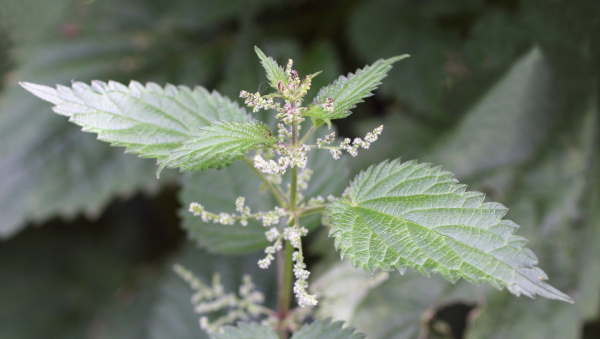
Stinging nettle – Urtica dioica
 Print
Print Email
EmailUrtica dioica L.
Urticaceae (Nettle family)
MI Status
Native
Life cycle
Erect, rhizomatous perennial.
Leaves
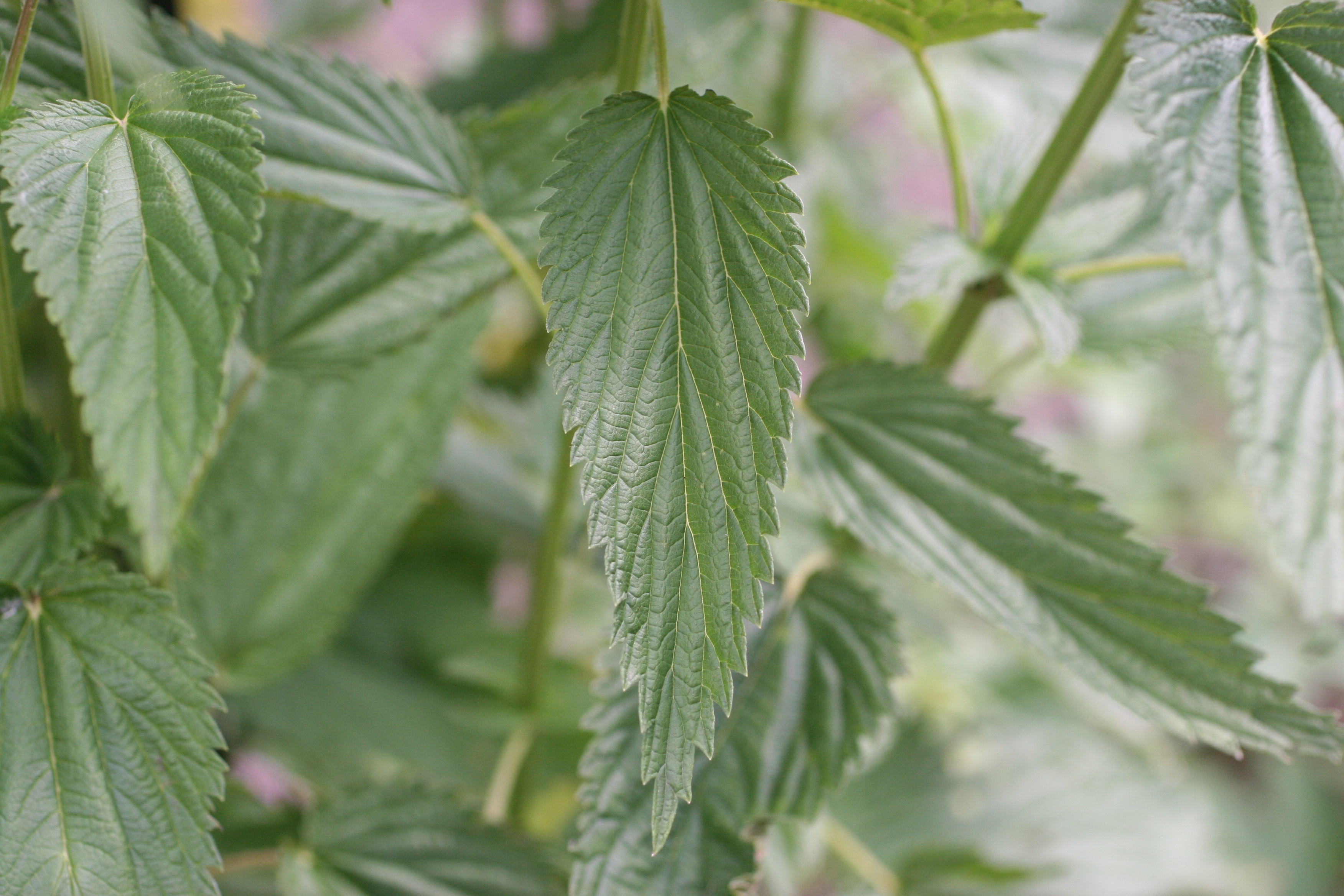
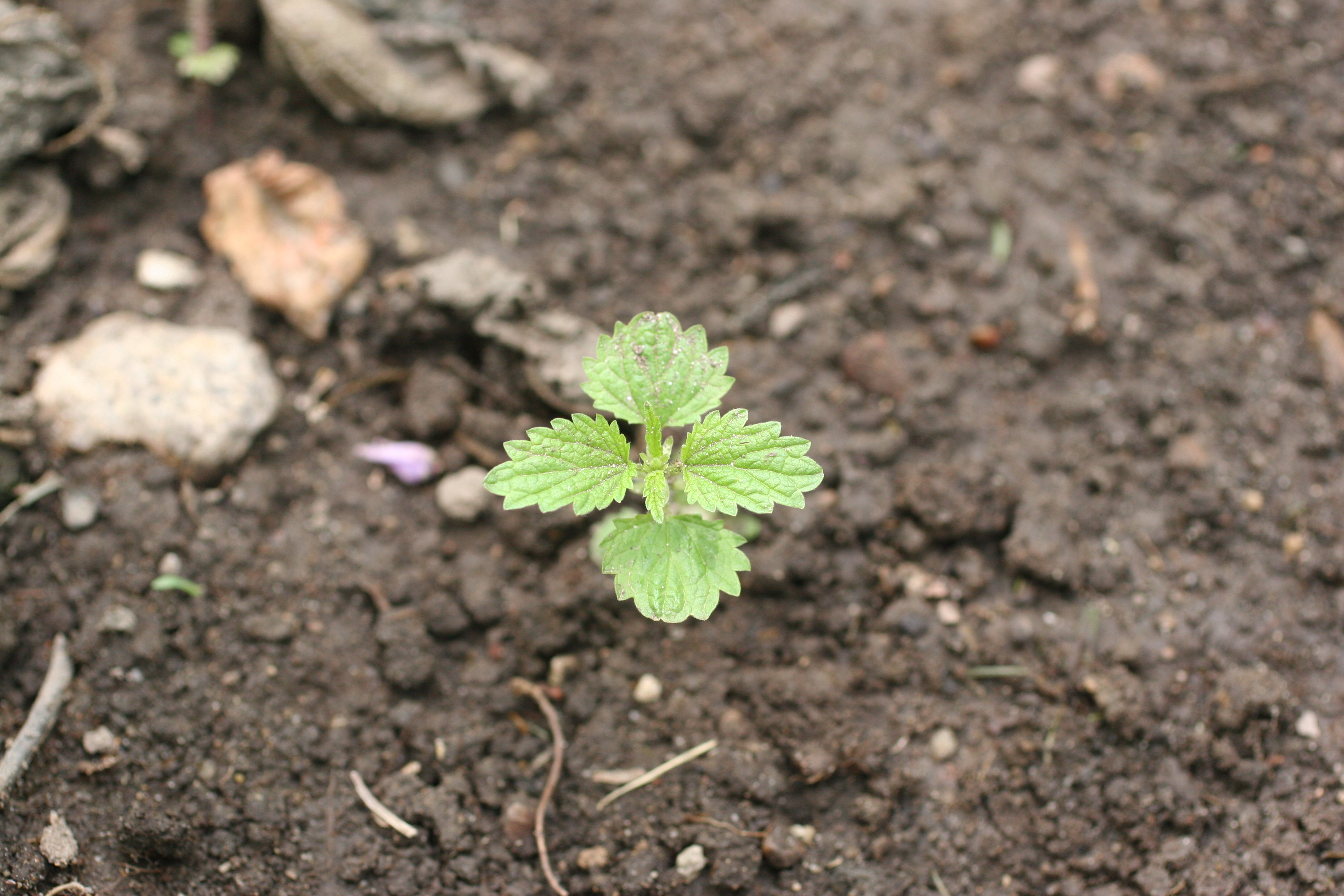
Opposite, egg- to lance-shaped with a rounded base and pointed tip. Petiolated leaves have coarsely toothed margins, smooth surfaces to a few hairs beneath and long, stinging hairs on the lower surface. Contact with stinging hairs can cause a skin irritation.
Stems
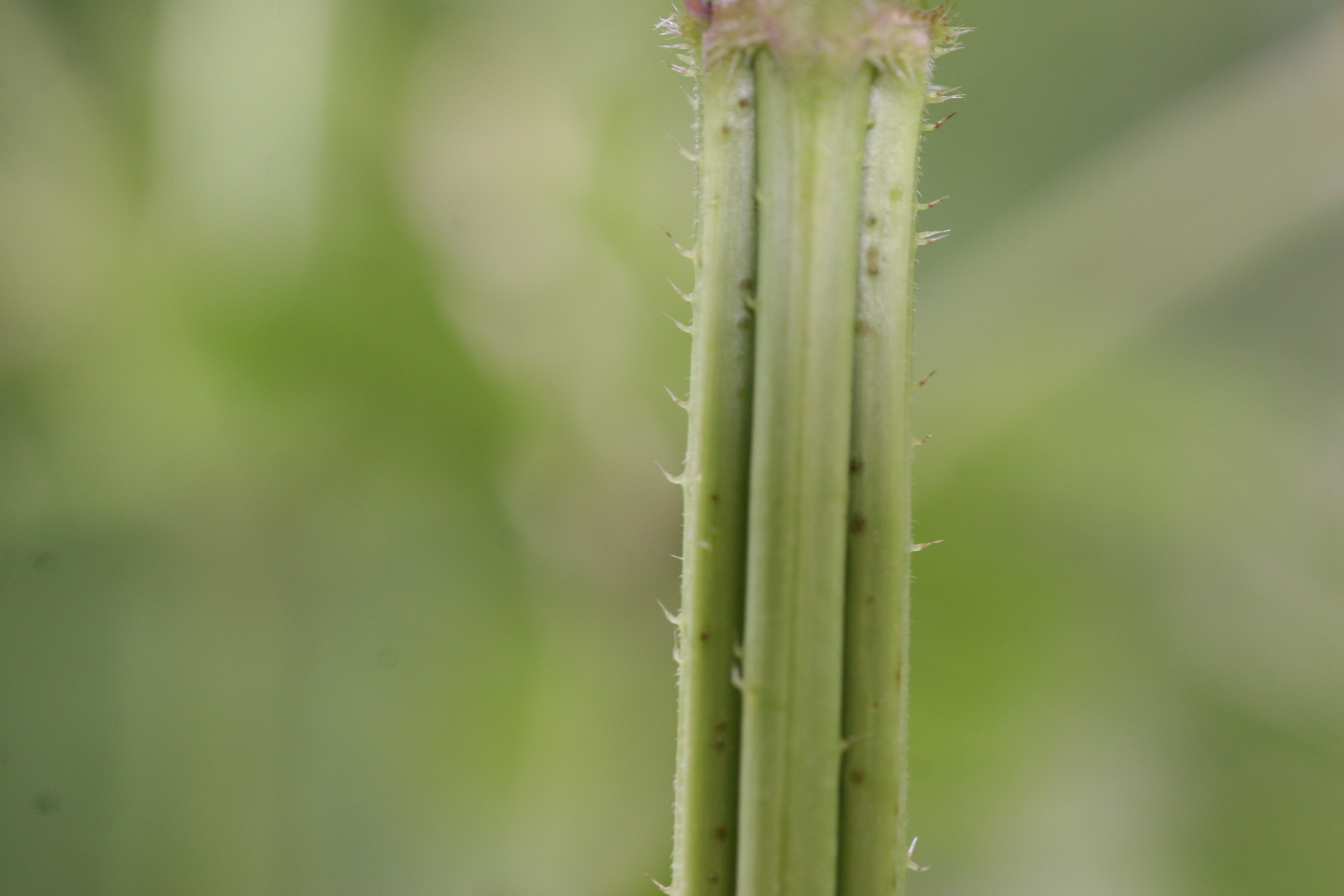
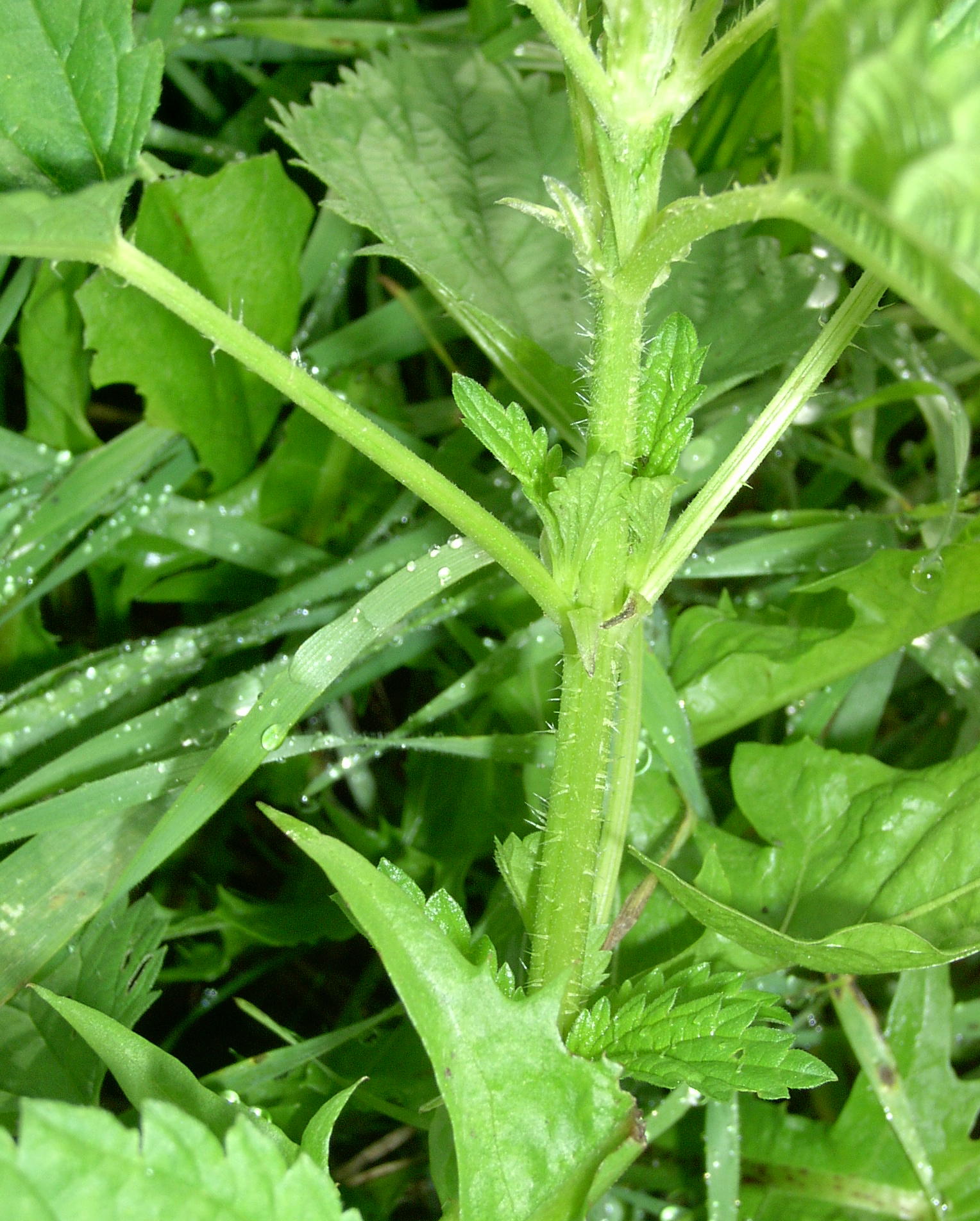
Four-angled, herbaceous stems are usually erect and unbranched, up to 6 feet tall and covered with stinging hairs. Contact with stinging hairs can cause a skin irritation.
Flowers and fruit
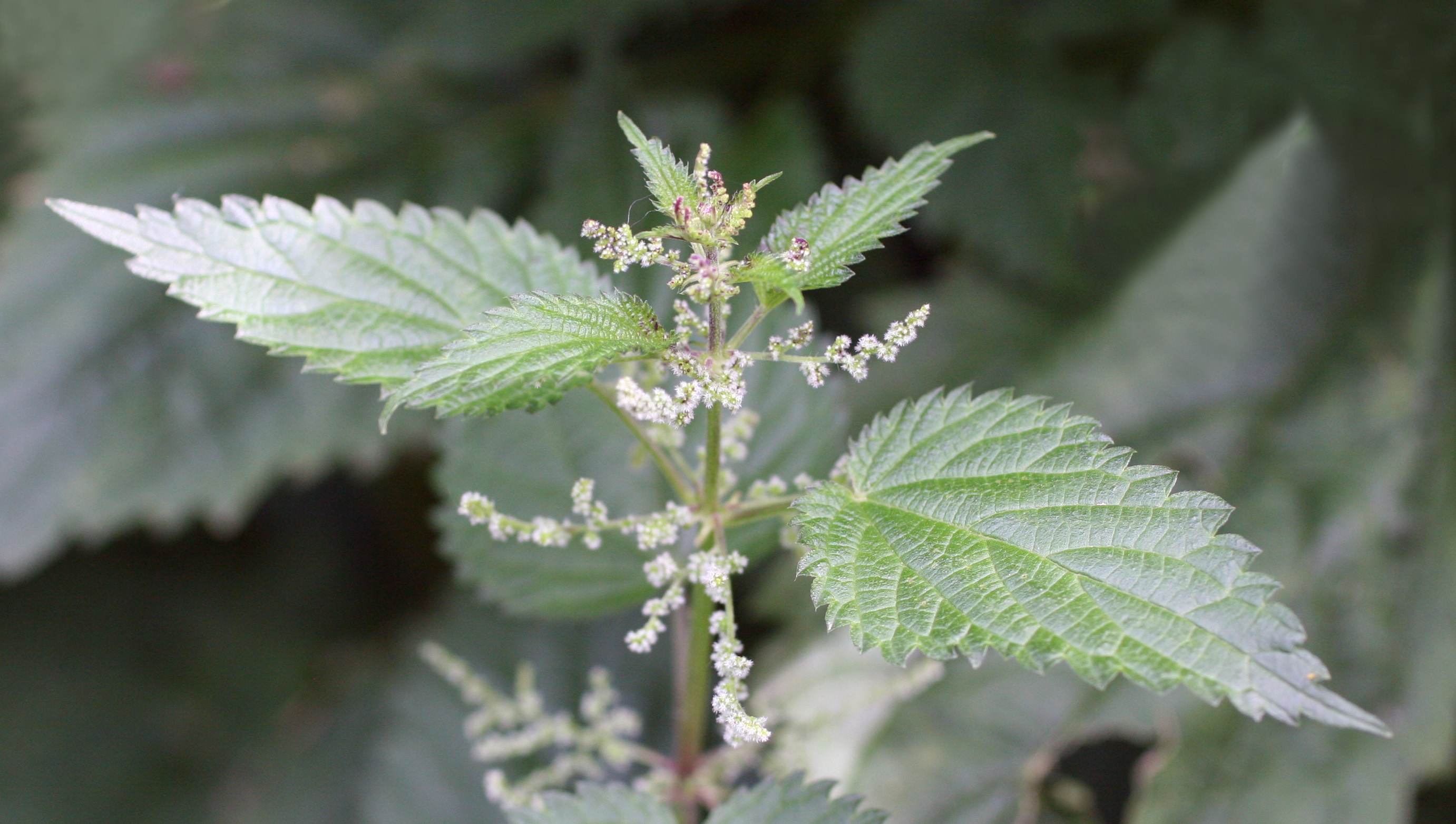
Inconspicuous, green to yellow flowers are formed in clusters in the upper leaf axils. The seed is enclosed in a single-seeded, tan, egg-shaped fruit.
Reproduction
Seeds and rhizomes that form extensive colonies.
Other Documents in this Series
You Might Also Be Interested In
-
SPDC Opposes SEVP’s Modifications
Published on July 10, 2020
-
2019 Message from the Director: SPDC celebrates 15th anniversary
Published on December 13, 2019
-
Is beekeeping right for me?
Published on September 18, 2023
-
Fundraising campaign to support Michigan State University Extension apiculture programs
Published on September 26, 2024





Accessibility Questions:
For questions about accessibility and/or if you need additional accommodations for a specific document, please send an email to ANR Communications & Marketing at anrcommunications@anr.msu.edu.