



Field violet – Viola arvensis
 Print
Print Email
EmailViola arvensis Murr.
Violaceae (Violet family)
MI Status
Non-native
Life cycle
Prostrate to ascending winter annual.
Leaves
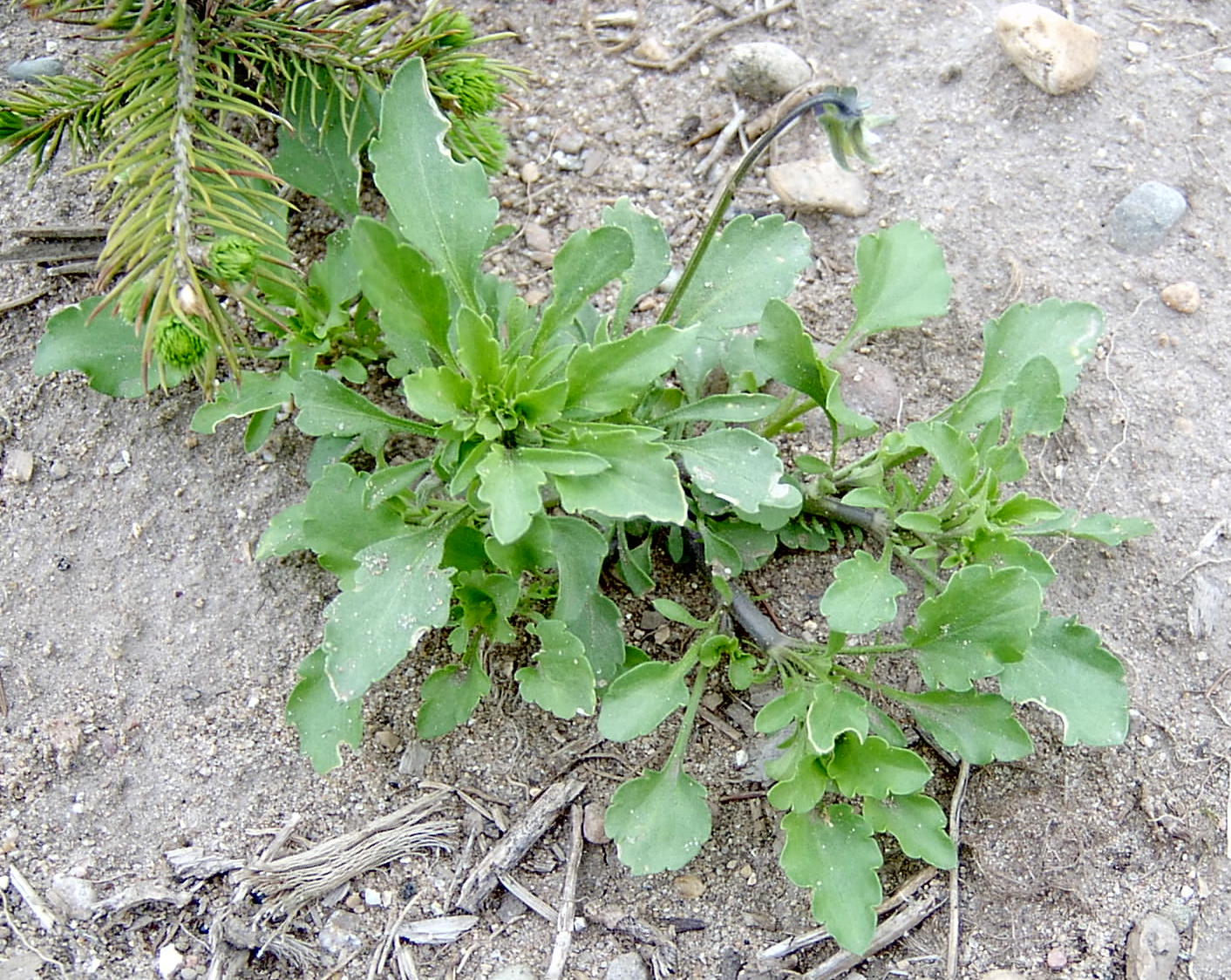
Young leaves that develop from a basal rosette are round to oval with a few shallow teeth on the margins, long petioles, and small stipules. Mature leaves are longer and narrower with round-toothed margins, hairy veins on the leaf underside, and large, deeply lobed stipules.
Stems
Prostrate to ascending, multi-branched stems are less than 16 inches long.
Flowers and fruit
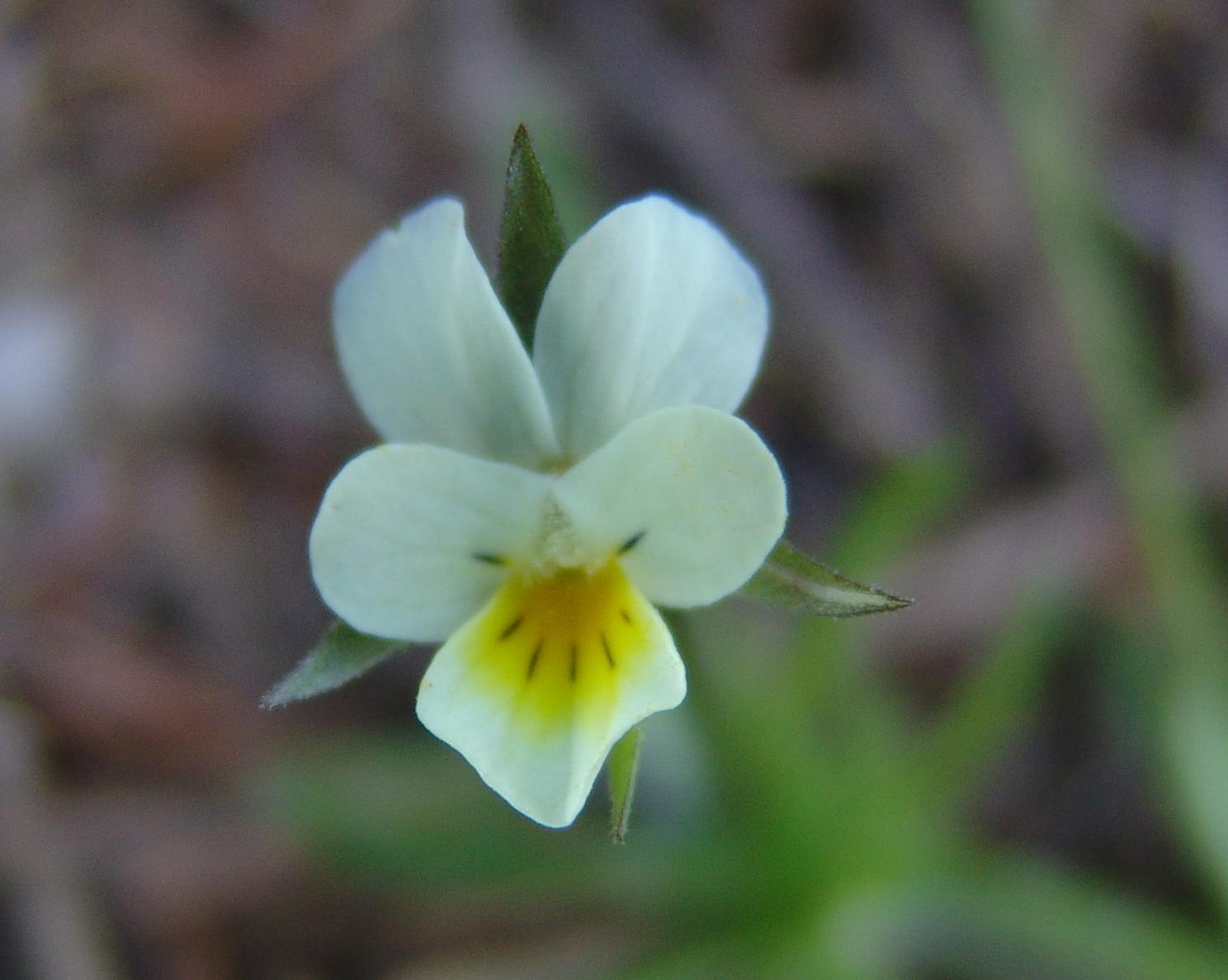
Flowers have five white to pale yellow petals, sometimes tinged with purple. The lower petal is the largest, and the sepals are the same length as the petals or slightly longer. Fruits are single-celled capsules with three valves.
Reproduction
Seeds.
Similar weeds
Common blue violet
(V. papilionacea Pursh)
Differs by having a perennial nature with rhizomes; basal, hairless, heart-shaped leaves with round-toothed margins; and blue to purple to occasionally white flowers.
Other Documents in this Series
You Might Also Be Interested In
-
Beginning Farmer Resource and Decision-Making Guide
Published on December 8, 2025
-
New to Agriculture? We’ve got a guide for you!
Published on September 10, 2026
-
Virtual MI Ag Ideas to Grow With conference returns for sixth year with focus on food and livestock production
Published on January 27, 2026
-
Videos of Michigan SARE grantees highlight sustainable farm innovation
Published on October 24, 2024
-
Apply now for SARE Farmer Rancher and Youth Educator Grants
Published on September 17, 2024
-
Grants for farm research and outreach as well as building partnerships
Published on September 10, 2024




Accessibility Questions:
For questions about accessibility and/or if you need additional accommodations for a specific document, please send an email to ANR Communications & Marketing at anrcommunications@anr.msu.edu.