


Winter safety tips for kids
 Print
Print Email
EmailTips to keep your children safe during winter play and outdoor activities.
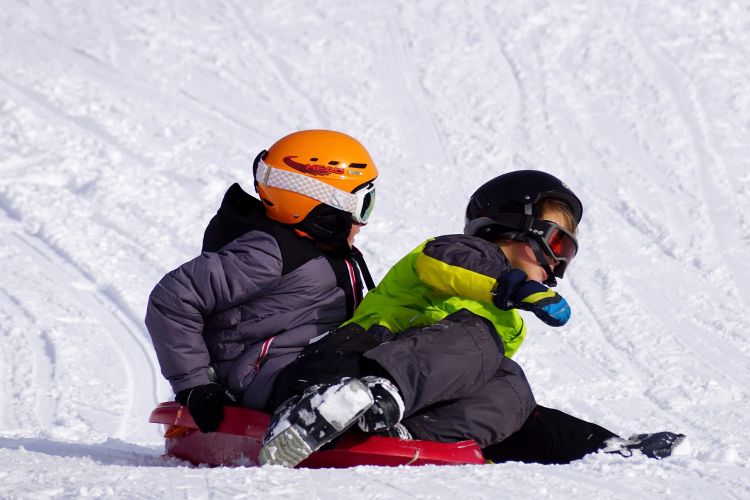
For many children, a snow day means time outside. Sledding, building snowmen, making forts and enjoying the freshly fallen snow. However, it is important for parents to exercise caution. Low temperatures can lead to dangerous conditions, and snow play can cause injuries. Michigan State University Extension offers the following tips to keep your children safe in the ice and snow.
Monitor the thermometer
Winter winds can drive temperatures dangerously far below zero. Pay attention to both the air temperature and the wind-chill. While there is not a hard and fast rule, most Michigan schools use 0 degrees Fahrenheit as the guide for limiting outdoor recess and -20 degrees Fahrenheit (actual temperature or wind-chill) typically closes schools.
Layer up
To prevent frostbite, dress children in several layers and be sure their head, neck and hands are covered. Infants and toddlers should wear one more layer of clothing than older children and adults.
Check in often
Children often want to keep playing outside even when they really should come in. Encourage children to come inside when they feel cold and wet. Regularly check on them during outdoor play and bring them in when you think they’re done, not when they say they are.
Play safely
Winter play is fun, but caution is key. Children should wear helmets when sledding, skiing, snowboarding or ice skating. Never allow sledding in streets, even when roads are closed. Avoid digging into deep snow banks or building snow forts in them, due to risk of collapse. Remove scarves and strings on hooded sweatshirts that can pose a risk of strangulation. Teach children how to play safely, and then have fun!
Use caution around fire
Fireplaces, wood burning stoves and outdoor fire pits are cozy and warm but can pose a risk to children. Always keep a screen around an open flame. Never use gasoline to light an indoor fireplace. Keep dampers open until ashes cool. If you’ve lost power, make sure your alternative heating sources are safe for use indoors and that you have working fire and carbon monoxide detectors. Regularly check and replace batteries in both fire and carbon monoxide detectors.
Know the signs of frostbite and hypothermia
Frostbite and hypothermia, while both involving cold temperatures, are different. Frostbite is the localized freezing of extremities, where hypothermia occurs when the body temperature is dangerously low. Frostbitten skin, typically on the fingers, ears, nose and toes, will be pale, gray and can become blistered. If you think your child has frostbite, bring them indoors and put the affected area in warm (not hot) water. Signs of hypothermia include shivering, numbness, a glassy eyed stare and unconsciousness. If you think your child has hypothermia, call 911 and gently move them to a warm location. See the MSU Extension article, “Protect yourself from hypothermia and frostbite while outside this winter,” to learn more about the difference between frostbite and hypothermia, including first aid tips.
Know when to stay in
While it is great to get children outside to play, there is a time when the risks outweigh the benefits. When wind-chills dive to -20 degrees Fahrenheit or lower, frostbite can begin to set in in less than 15 minutes. Refer to the National Weather Service Wind-chill Chart for a good idea of how quickly cold weather can become hazardous. The elderly and young children are at greater risk. If you must venture out, take a fully stocked cold weather emergency kit with you that includes winter gear for everyone in the car, blankets for each person in the car, hand warmers, water, non-perishable food, road flares, windshield scraper, flashlights, jumper cables and other safety supplies. Download a printable check list of what to pack in an emergency kit and how to prepare your car for cold weather.
With some precaution and preparation, winter play can be safe and fun, providing much-needed exercise for cooped-up kids. When it’s too cold for outdoor fun, check out these tips for indoor activities to do with your children from MSU Extension. Stay safe and enjoy the season!