The Long Pipeline: How Global Fuel Shocks Reshape the Michigan Economy
 Print
Print Email
EmailGlobal fuel shocks affect Michigan more than many states because its economy depends heavily on manufacturing, agriculture, trucking, and auto production. As fuel costs rise, consumers, businesses, farms, and supply chains all face added pressure.
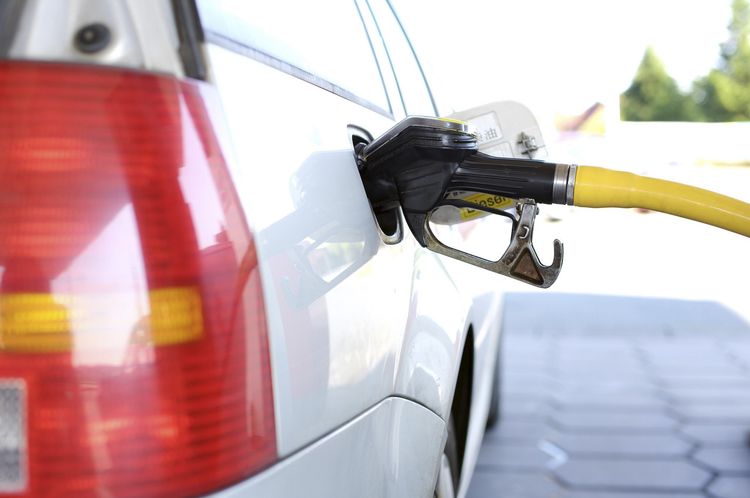
When oil prices jump after a geopolitical crisis, everyone notices the pain at the gas pump. But the economic consequences extend far beyond higher fuel bills, and they are not distributed evenly across the country. For Michigan, a state built around manufacturing, agriculture, trucking, and the automotive industry, a fuel shock can have outsized consequences.
The United States is far less vulnerable to oil shocks than it was during the 1970s. Domestic energy production is much higher, and the economy uses energy more efficiently than it once did. High oil prices still slow growth, but they no longer guarantee a national recession.
Michigan, however, remains unusually exposed. The state produces relatively little oil and therefore captures few of the financial benefits that flow to energy-producing states when prices rise. Instead, Michigan primarily experiences the costs. Higher gasoline prices reduce household spending, while higher diesel prices raise the cost of moving freight, manufacturing goods, and producing food.
Diesel is particularly important because it sits at the center of so many supply chains. Freight carriers quickly pass fuel costs into shipping rates, manufacturers pay more to receive components and move finished products, and farmers face higher expenses during planting and harvest. What begins as a fuel price increase can ripple through the broader economy as higher prices and lower profit margins.
Michigan also faces a logistical disadvantage. Much of the state's fuel arrives through pipelines and distribution networks connected to refining centers in Illinois, Indiana, and Ohio. Sitting near the end of that supply chain means disruptions elsewhere can translate into tighter supplies and more persistent price increases in Michigan. When refinery outages or transportation bottlenecks occur, the state's fuel markets often have fewer alternatives than regions closer to major refining hubs.
The state's signature industry adds another layer of vulnerability. Automakers still earn a significant share of their profits from larger trucks and SUVs, vehicles that become less attractive when fuel prices rise sharply. Prolonged periods of expensive gasoline can shift consumer demand, forcing manufacturers and suppliers to adjust at considerable cost and uncertainty.
Agriculture and tourism face similar pressures. Farmers depend heavily on diesel-powered equipment and trucking networks, while many tourism-dependent communities in northern Michigan rely on visitors willing to drive long distances. As transportation costs rise, both sectors can experience declines in profitability and spending.
For most Americans, a fuel shock is an inconvenience. For Michigan, it can become a broader economic challenge. The state's dependence on transportation fuels, combined with its industrial base and geographic position, means that disruptions in global energy markets often arrive here with amplified effects.