Southwest Michigan field crops update – May 14, 2026
 Print
Print Email
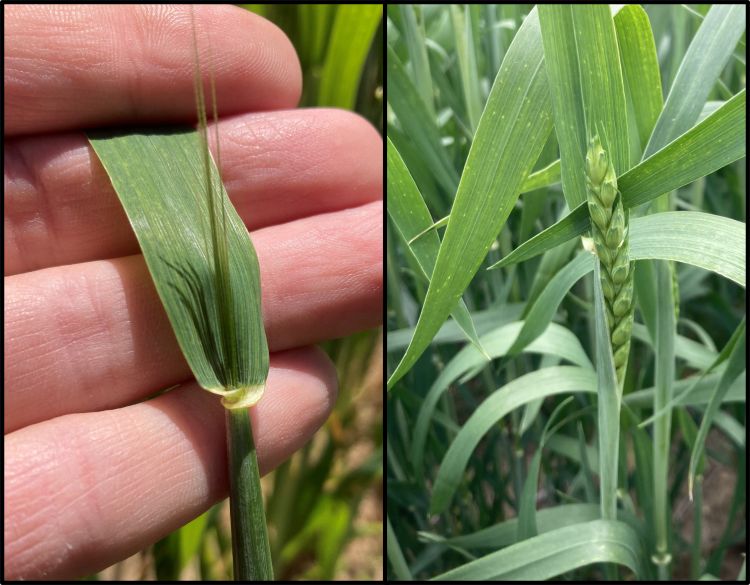
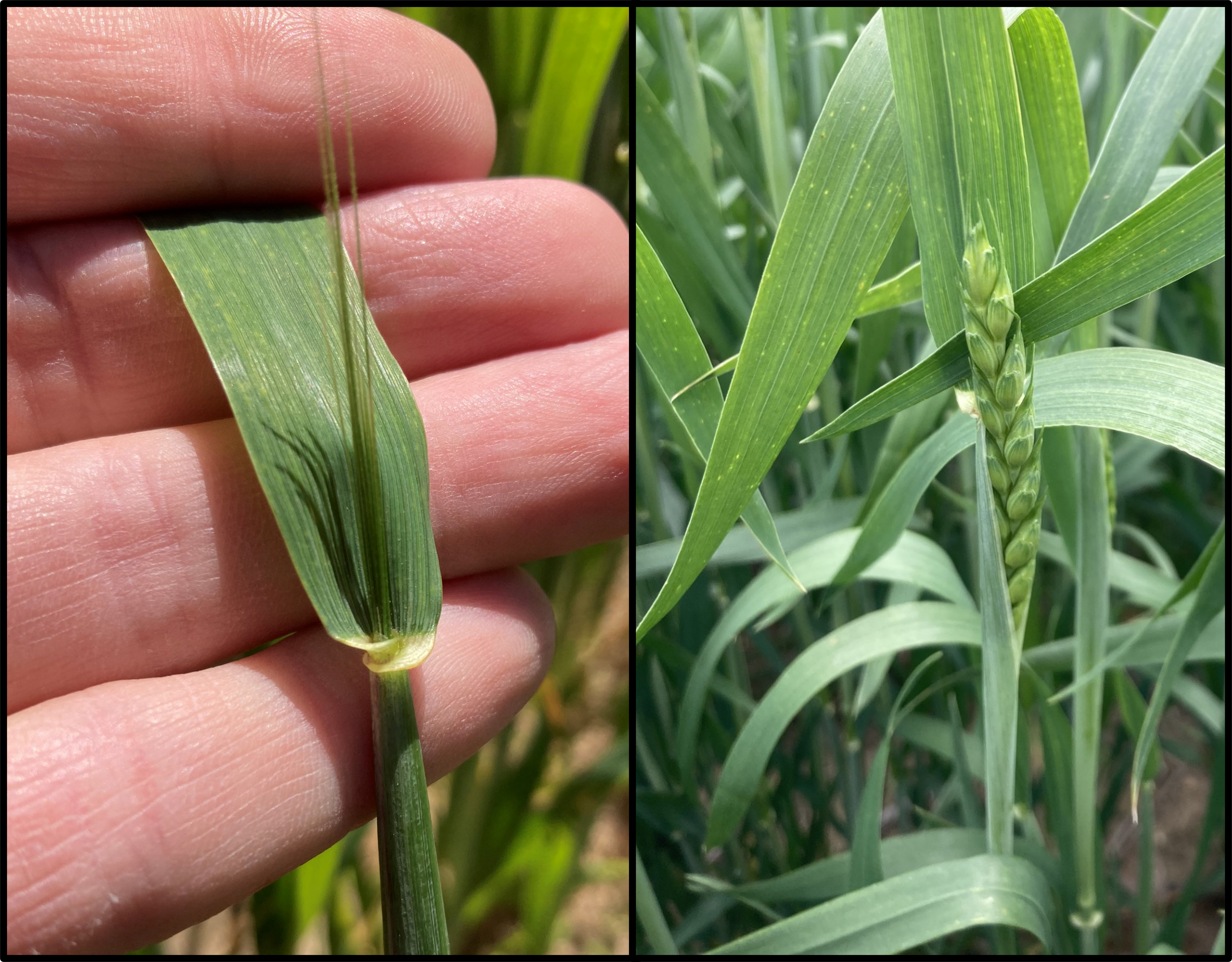
EmailWheat is at early Feekes 10 (awns or head emerging). Planting made great progress over the past week.
Weather
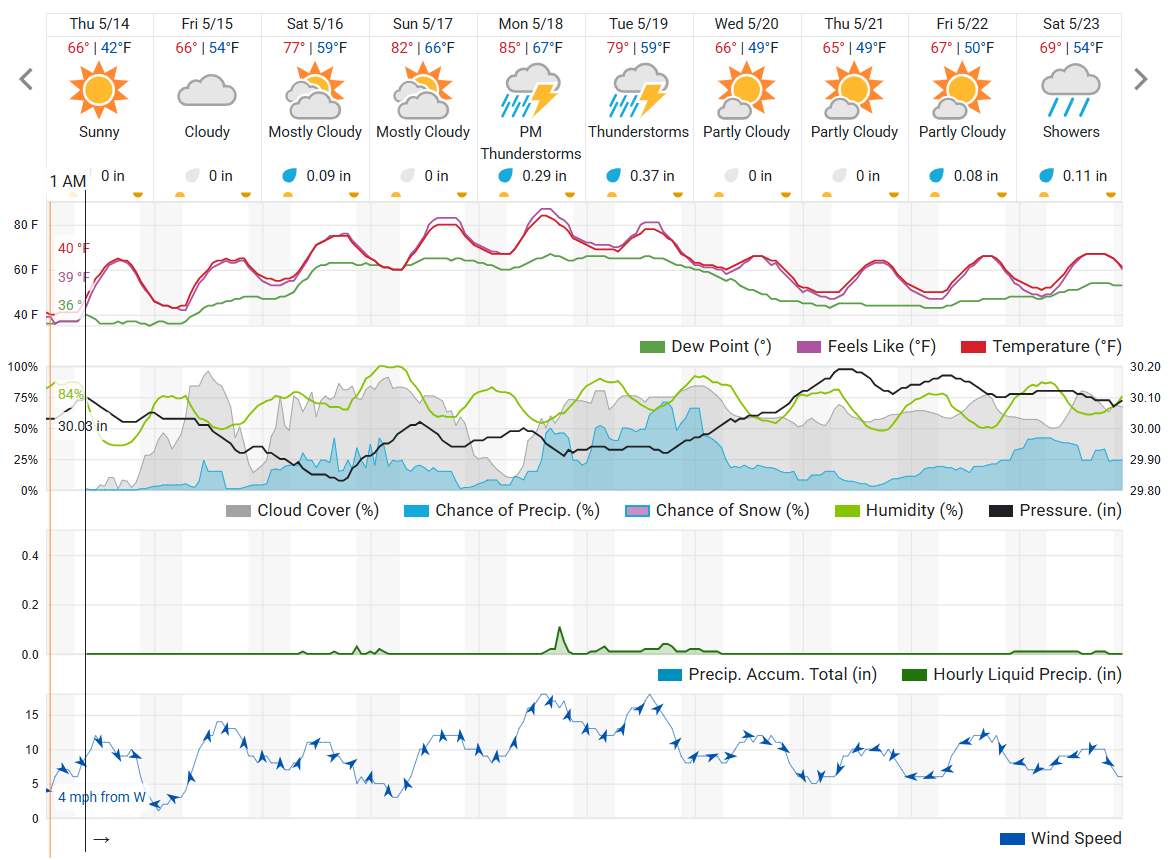
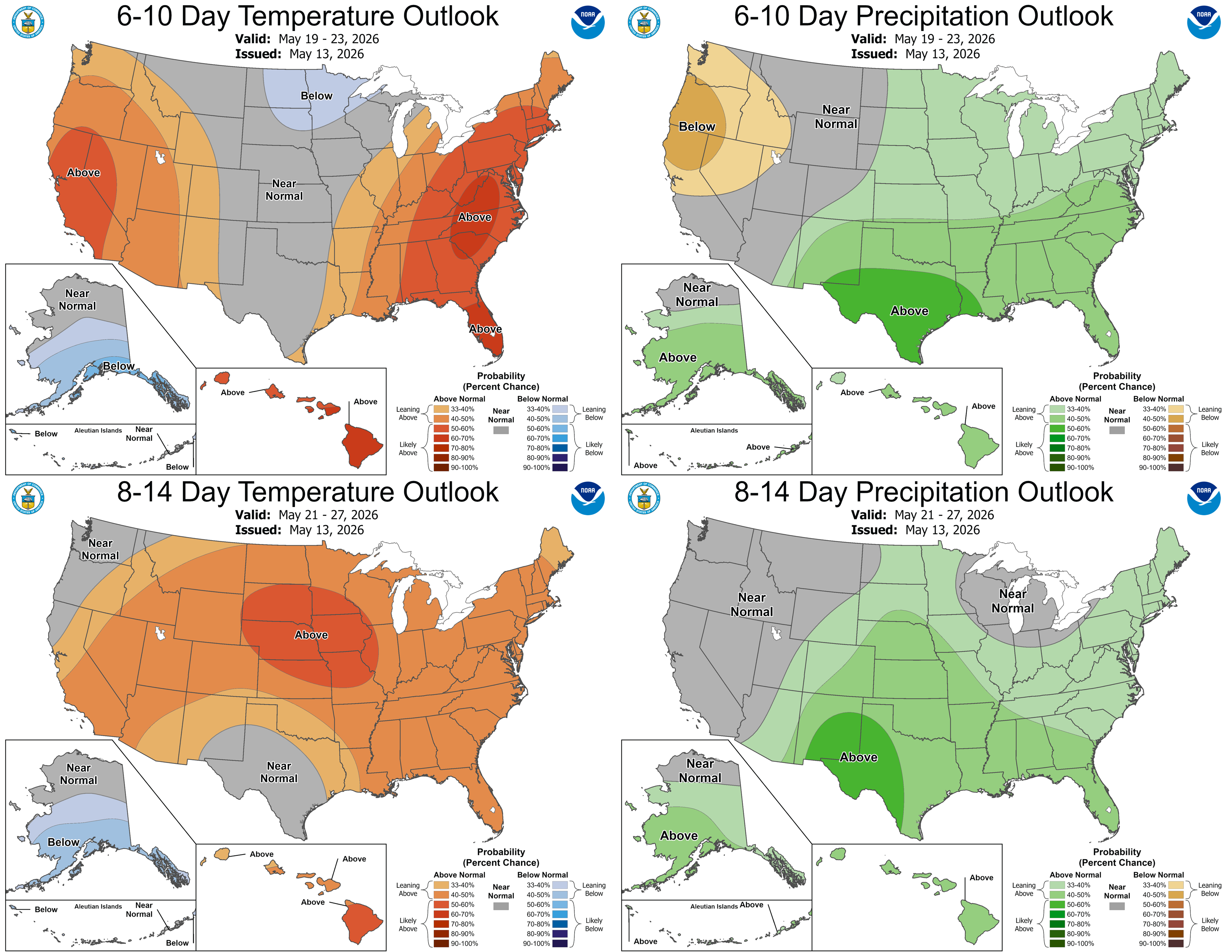
The past week was mostly cool and dry with only light precipitation. Some areas experienced freezing temperatures early in the week. Thanks to a period of dry weather, planting made great progress in several crops. Light precipitation is expected to fall in the form of scattered showers over the weekend, with a chance of several days of substantial rainfall Monday, May 18, through Wednesday, May 20. Temperatures are expected to increase heading into the weekend, then level out in the 60s next week.
Crops and pests
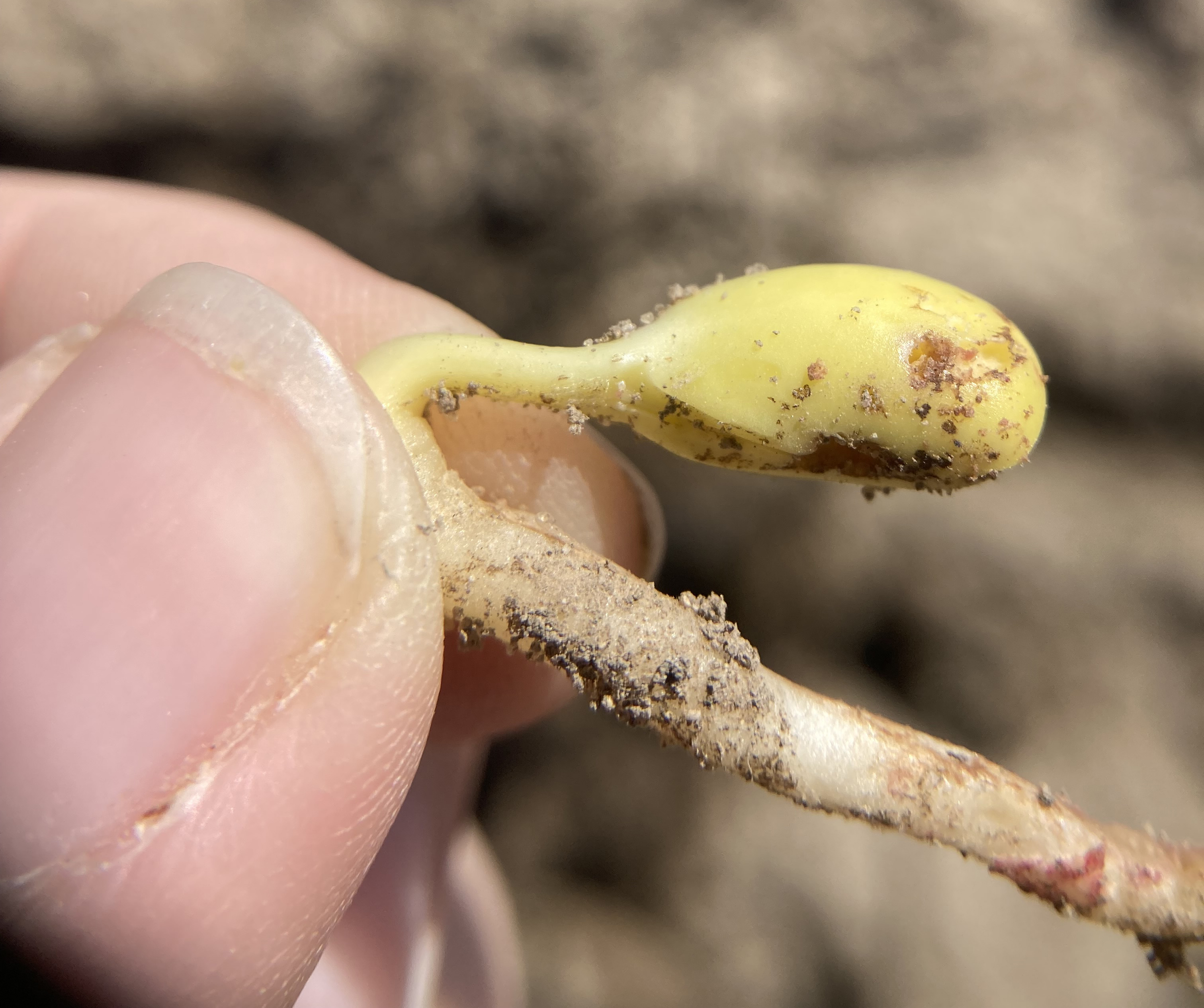
Corn and soybean planting made great progress over the past week. Some soybeans are emerging. For the most part, they have been able to emerge pretty quickly, reducing the likelihood that soil-dwelling pests like seedcorn maggot cause much damage to the seed. Fields or parts of fields that had colder, wetter or harder soils that delayed emergence had light instances of suspected seedcorn maggot feeding.
Adult moth counts have remained mostly low over the past several weeks. Bucket traps in Berrien County near Berrien Springs and Benton Harbor, St. Joseph County near Centreville and Van Buren County near Lawrence have caught the following.
True armyworm:
|
Date |
Berrien |
Berrien 2 |
St. Joseph |
Van Buren |
|
4/27 |
35 |
7 |
53 |
35 |
|
5/4 |
1 |
0 |
9 |
5 |
|
5/11 |
1 |
23 |
8 |
0 |
Black cutworm:
|
Date |
Berrien |
Berrien 2 |
St. Joseph |
Van Buren |
|
4/27 |
6 |
0 |
6 |
4 |
|
5/4 |
5 |
0 |
6 |
0 |
|
5/11 |
6 |
1 |
15 |
1 |
Winter wheat is at early Feekes 10 (awns or head emerging). Shortly after the head completely emerges, it will begin to flower, starting in the middle of the head. The ideal timing for preventative fusarium head blight fungicide application is at 50% flowering. For product efficacy against fusarium and other diseases, reference the Crop Protection Network’s fungicide efficacy tables or tool. Product efficacy should be paired with thorough head coverage during the fungicide application and high genetic resistance in the wheat variety for the best fusarium head blight prevention.
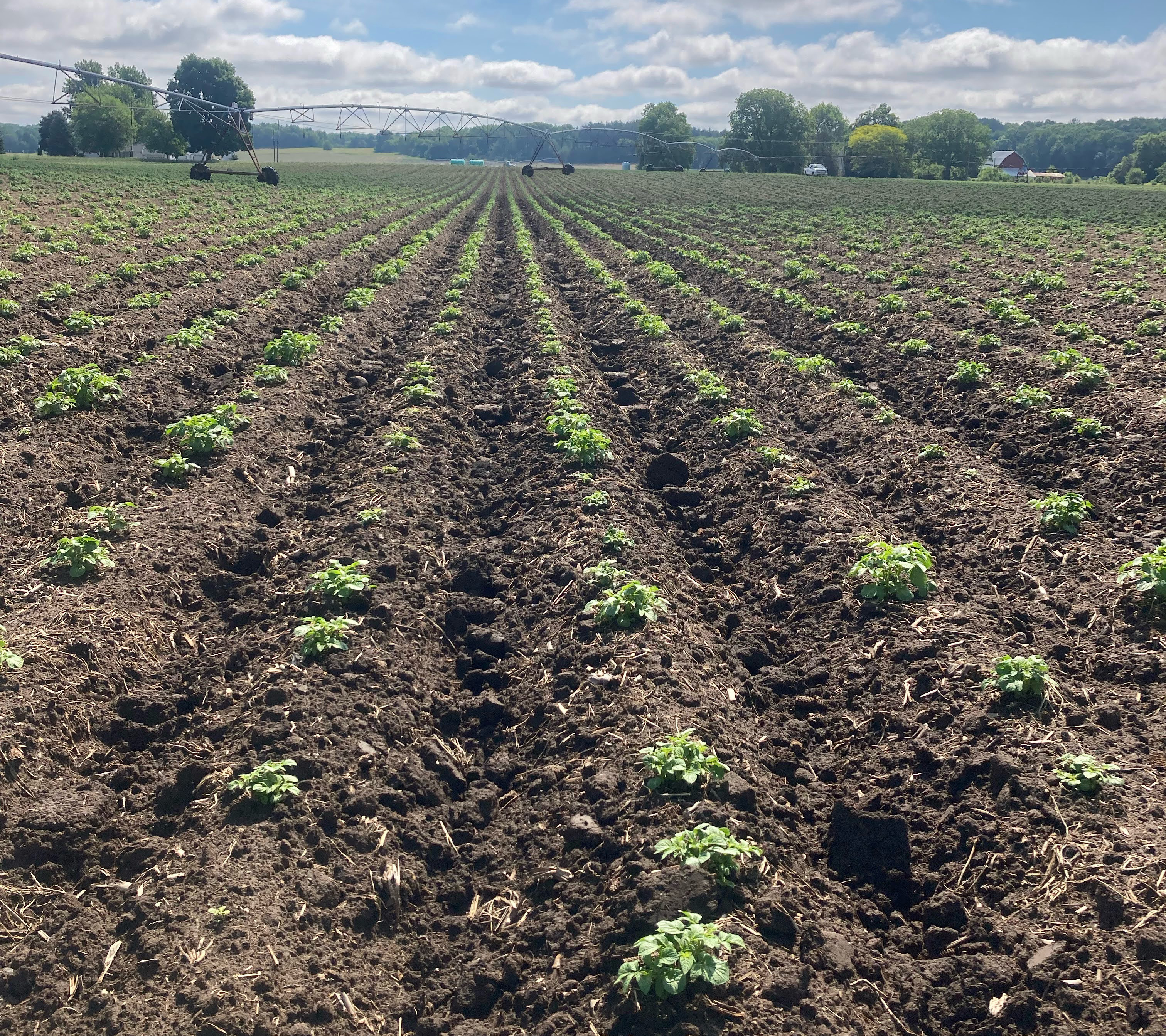
More potatoes emerged this past week, and planting made great progress. About two weeks after emergence, potatoes start to rapidly take up water, so supplemental irrigation will start to run soon on some fields.
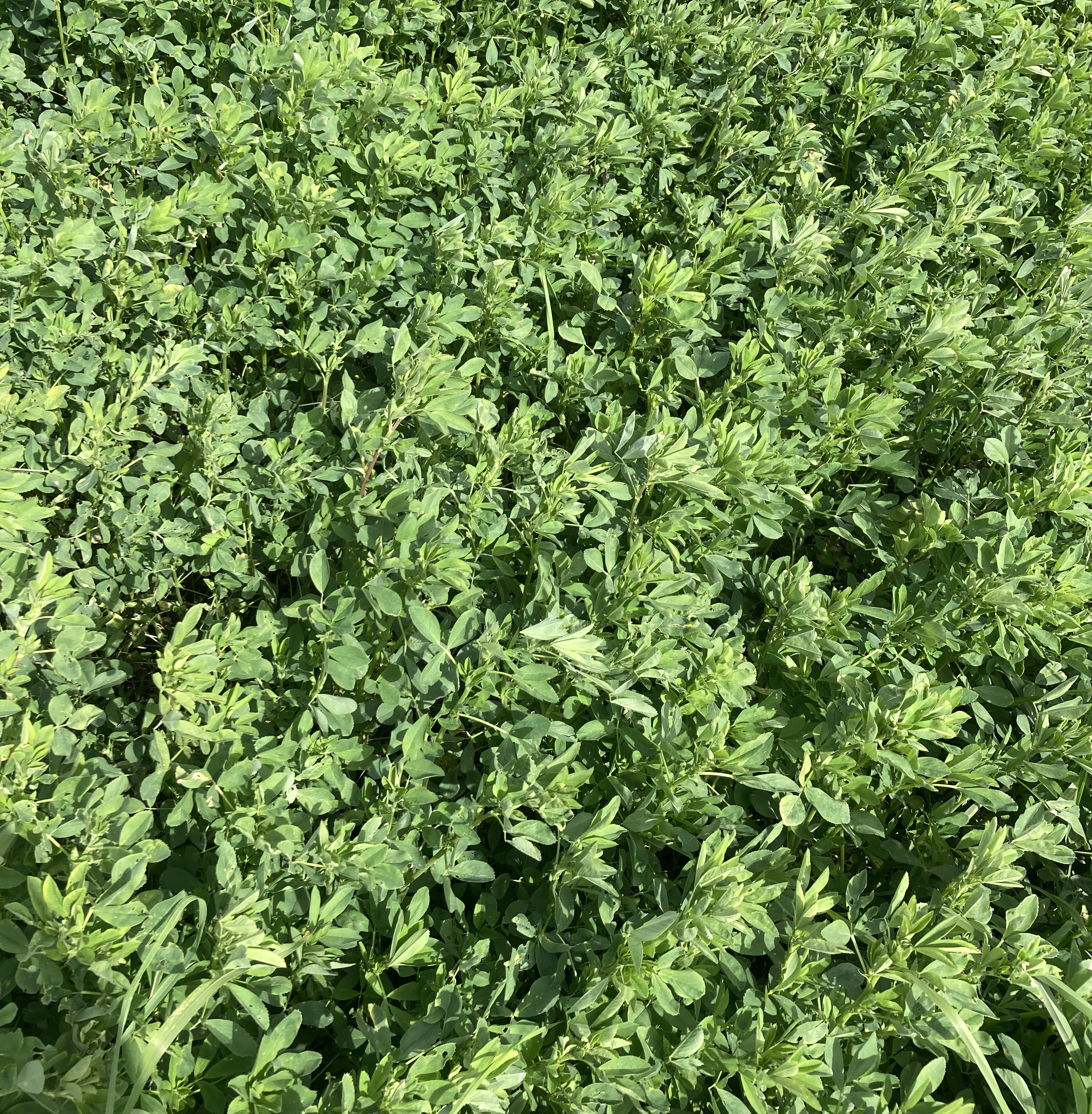
Alfalfa was in the optimal harvest growing degree day (GDD) window for dairy hay this week, according to the Constantine Enviroweather station alfalfa cutting model. This doesn’t automatically mean you should go out and cut your hay the moment the GDDs are reached; rather, it is a signal to get out into alfalfa fields and check on how the crop is progressing. There are several methods for estimating when to cut alfalfa. Check out the Field Crops Virtual Breakfast Series recording, “Optimizing alfalfa harvesting schedules” or the article “The first cutting of hay should be your first priority for dairy forages” for more information.
If alfalfa is at least 16 inches tall and has alfalfa weevil feeding on every stem tip, cut early rather than applying an insecticide. This helps preserve natural enemy populations, reduce secondary pest outbreaks like aphids, and prevent pesticide resistance.
Irrigation and water use
As the irrigation season begins, don’t forget to prepare your irrigation scheduling tools as well. Having a plan in place ahead of time can save valuable time during the season and improve the accuracy of scheduling tools by allowing you to enter important information early, such as the exact crop emergence date.
Michigan State University Extension provides several free irrigation scheduling tools designed to help growers manage water more efficiently. More information about these tools can be found in this fact sheet. If you would like one-on-one training or guidance on using irrigation scheduling tools, please contact Angie Gradiz at gradizme@msu.edu.
This year, weekly crop water use updates will continue to be shared through the southwest Michigan crop updates, and for added convenience, updates will also be sent through direct email and text messages. Sign up here.
Field Crops Virtual Breakfast Series
 Post weed control options, presented by Erin Burns, was the topic for the MSU Extension Field Crops Virtual Breakfast this week. Having an effective postemergence herbicide plan reduces weed escapes. Factors such as weed height, product efficacy and weather conditions can all contribute to the success (or failure) of herbicide applications.
Recordings of this and all the Virtual Breakfast meetings are closed-captioned and available at the Field Crops Virtual Breakfast webpage and the MSU Extension Field Crops Team social media platforms: Facebook, Spotify, Mediaspace, YouTube, Apple Podcasts and Twitter/X.
This work is supported by the Crop Protection and Pest Management Program [grant no 2024-70006-43569] from the USDA National Institute of Food and Agriculture. Any opinions, findings, conclusions, or recommendations expressed in this publication are those of the author(s) and do not necessarily reflect the view of the U.S. Department of Agriculture.