MSU student joins elite cohort in national livestock judging program
 Print
Print Email
EmailMSU junior Joscelyn Layman was selected for the prestigious Top Judge program, gaining national recognition and mentorship while building confidence and professional skills through collegiate livestock judging.
Michigan State University junior Joscelyn Layman never expected her name to be among a small group of students nationwide selected for Top Judge, one of the livestock industry’s most prestigious collegiate judging development programs. Chosen as one of 31 participants across the country, she joined an elite cohort recognized for skill, professionalism and promise as future livestock leaders.
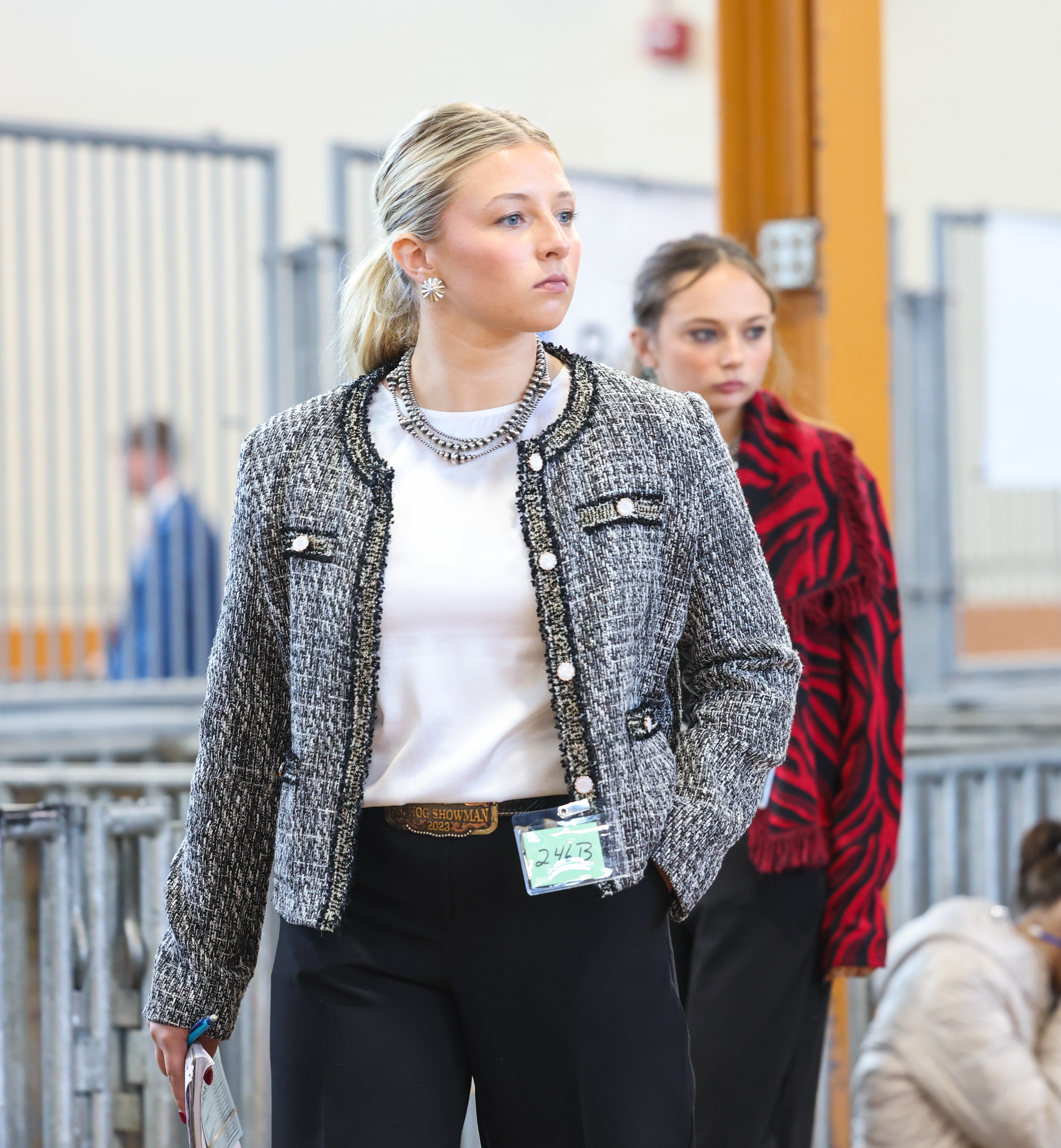 Layman, an animal science major on the pre-veterinary track in the College of Agriculture and Natural Resources, earned a spot in a program that pairs hands-on learning at the San Antonio Stock Show with mentorship from industry leaders and ongoing professional development.
“I went in applying thinking there were so many other kids that had been doing this for years,” Layman said. “I didn’t have a lot of expectations for myself.”
The call came early one morning from the MSU livestock judging coach, Kestlyn Willert.
“She called me and said, ‘You got in. Look at your email,’” Layman said. “I was in tears. I couldn’t believe it.”
For Layman, the moment marked more than recognition. It reflected a shift in a college journey defined by learning to trust herself in unfamiliar settings.
Understanding livestock judging
Livestock judging is a competitive, team-based activity in which students evaluate groups of animals according to industry standards and production goals. In collegiate contests, students most often judge beef cattle, swine, sheep and goats, assessing features such as structure, muscling, balance and overall quality.
Participants rank animals within a class and then defend their decisions through oral reasons, a timed presentation that demands clear communication and confidence. At the collegiate level, judging teams train year‑round and travel nationally to compete, balancing intensive preparation with their academic coursework.
For students like Layman, those demands can feel daunting at first.
Finding direction through animals and agriculture
Layman’s interest in animal science began early through 4-H, where she worked with several species before focusing on swine projects and competitive showing. With veterinary medicine as her goal, she entered MSU already committed to the pre-veterinary path.
Livestock judging, however, was new territory. Unlike many peers immersed in the activity from a young age, Layman entered with limited experience and uncertainty.
“I’ve always had a deep passion for animals,” she said. “Getting involved early really shaped how I understood them and confirmed the path I wanted to take, but I didn’t grow up around livestock judging the way a lot of kids do. So, stepping into it in college felt like a leap of faith.”
Learning confidence through experience
Early on in her livestock judging journey, Layman said confidence was her biggest challenge. With repetition, hesitation gave way to decisiveness.
“I was so afraid of being wrong that, at first, I didn’t even feel comfortable turning in a card at contests. Learning to trust myself took time,” she said. “You’re making choices quickly, standing by them and learning mental toughness in a way I had never experienced before.”
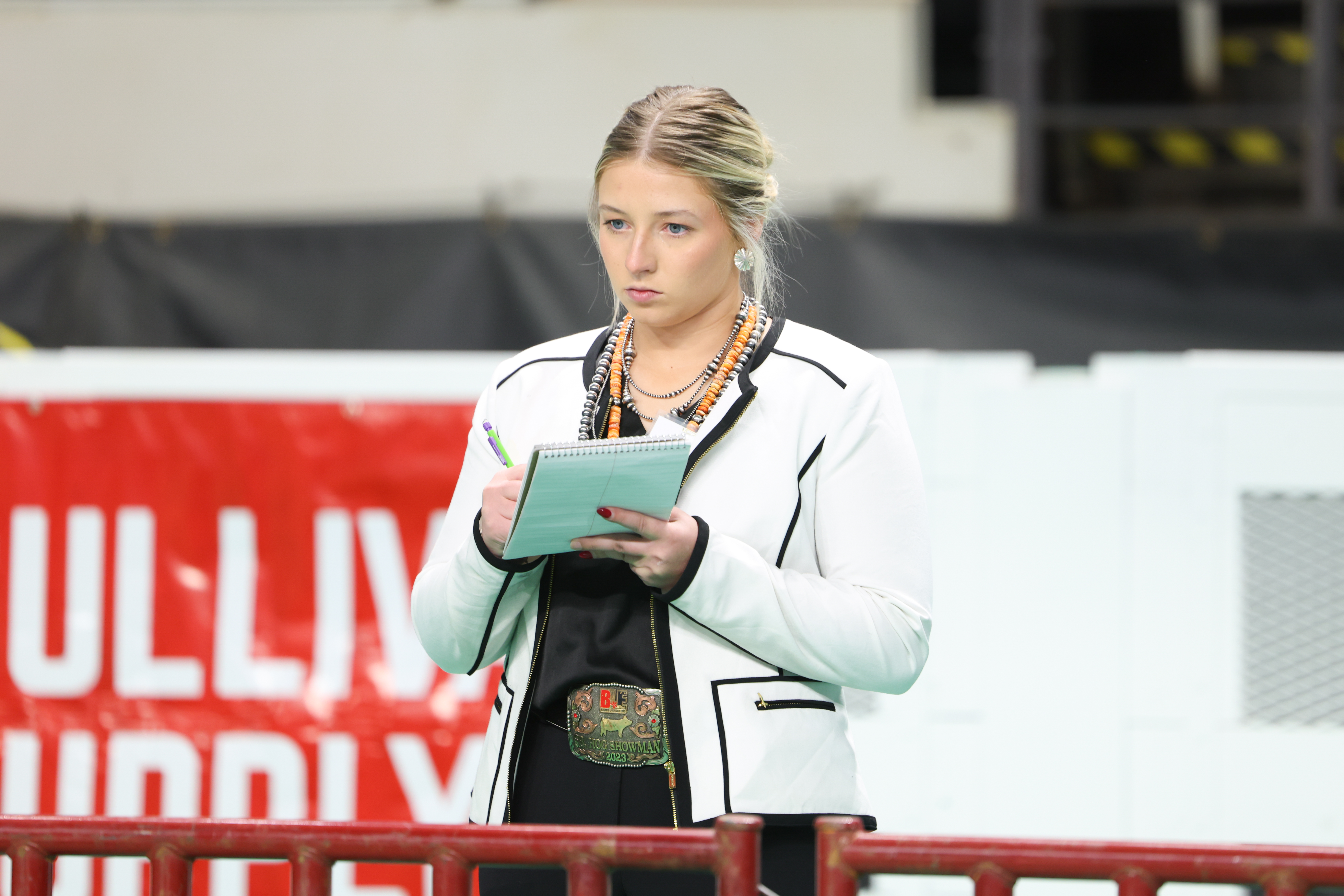
Layman said much of that growth came through consistent encouragement from Willert, who pushes students to develop confidence alongside technical skill.
“She always made sure I felt supported while still pushing me to improve,” Layman said. “She believed in me even when I was questioning myself.”
Willert said that progression was one of the most rewarding parts of coaching Layman.
“Joscelyn has a natural eye for livestock, but what sets her apart is how hard she works and how willing she is to grow,” Willert said. “When she joined the team, she was balancing academics, self-doubt and the demands of a competitive environment.”
That balance between personal growth and competitive development shapes Willert’s coaching approach.
“My goal is not just to win contests, but to develop young people,” she said. “Watching students gain confidence and carry themselves under pressure is just as important as results.”
A team built through shared experience
Beyond individual growth, Layman said one of the most meaningful parts of the experience has been the close-knit team environment. Long hours of practice, travel and competition helped team members quickly build strong connections and support one another throughout the season.
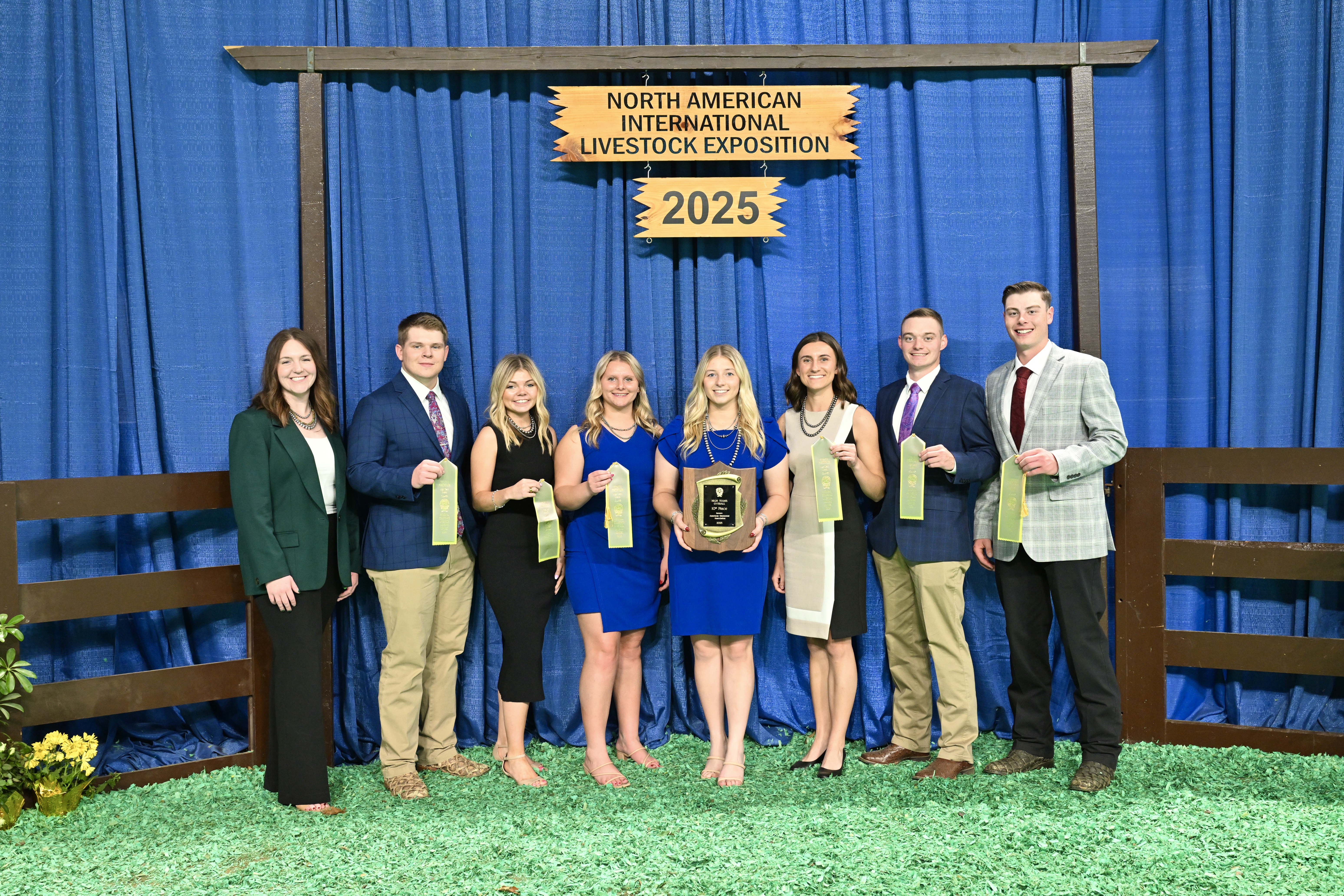
For Layman, those relationships have continued well beyond competition season.
“It didn’t take long for it to feel like a family,” she said. “We spent so much time together traveling and practicing. That builds something strong. We still text all the time.”
Stepping onto a national stage
Beyond the relationships and confidence built through collegiate judging, Layman said the Top Judge program offers a broader view of the professionalism and responsibility associated with the industry’s highest levels. Participants work with mentors, attend industry panels and gain insight into major livestock show judging, with an emphasis on ethics, communication and leadership.
At the San Antonio Stock Show, Layman moved between classroom-style sessions and live show observation, gaining perspective on both the technical and professional sides of the industry.
“We learned how to give grand drive speeches and handle situations professionally in the ring,” she said. “We focused on things you don’t always think about until you’re there.”
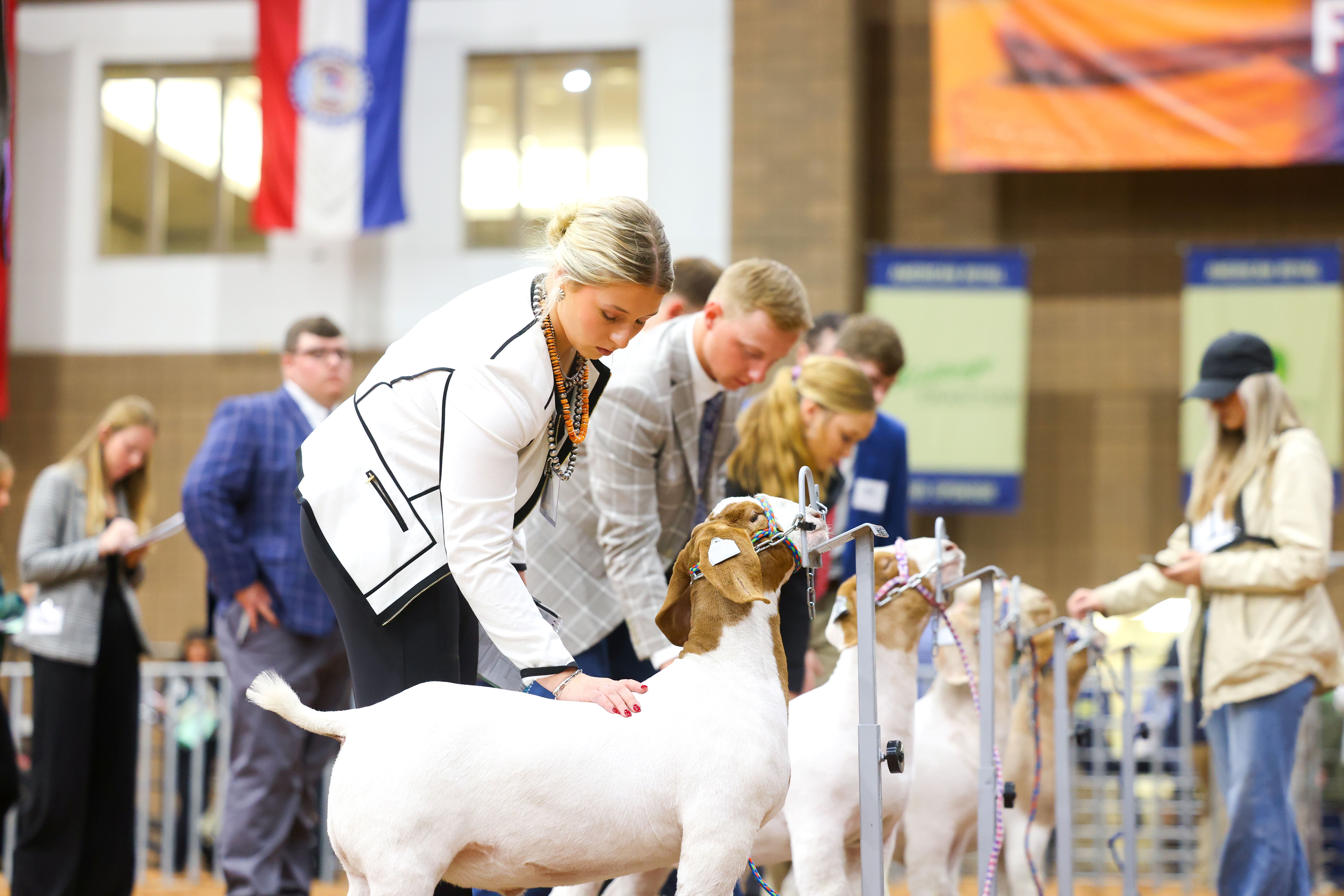
Those lessons were reinforced through conversations with show managers and industry leaders, who outlined their expectations of judges at major events.
Willert said that exposure is intentional within the program’s design.
“The Top Judge program gives students access to mentorship and experiences that shape how they see themselves as professionals, while also pushing them to think beyond contest judging and into the expectations of the show ring,” she said.
One of Layman’s most memorable moments came while helping deliver live commentary for the swine show, where Top Judge participants observed the competition from above the ring.
“You’re in a booth with a 360-degree view, looking over the entire show ring,” she said. “I had chills. It gave me a whole new perspective on the intensity and responsibility of that role.”
Perspective and what comes next
Willert said Layman’s selection reflects both individual growth and the strength of MSU’s livestock judging program, which draws on a long-standing network of alumni and industry support.
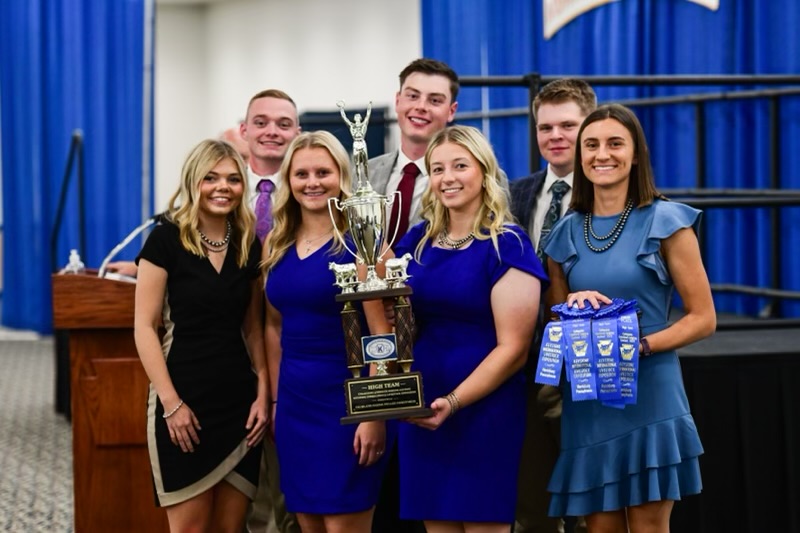
“These opportunities build on the foundation students already have and the relationships they form through the program,” Willert said. “It’s a reflection of the work they’ve done, but also the support and preparation they’ve received here at Michigan State.”
For Layman, the experience reshaped how she sees her potential.
“It helped me realize I was capable of more than I ever thought,” she said.
As she continues on the pre-veterinary track, she carries forward lessons in confidence, adaptability and communication that extend well beyond the judging arena.
Looking back on her path from uncertainty to opportunity, she encourages others to be open to similar experiences. “If you’re even a little bit interested, go for it,” she said. “You never know where it might take you.”