MSU professor aims to improve seed sovereignty for Native communities
 Print
Print Email
EmailPSM researcher Krista Isaacs receives Native American Agriculture Fund grant to develop seed-saving systems with Iowa State University professor Christina Gish Hill
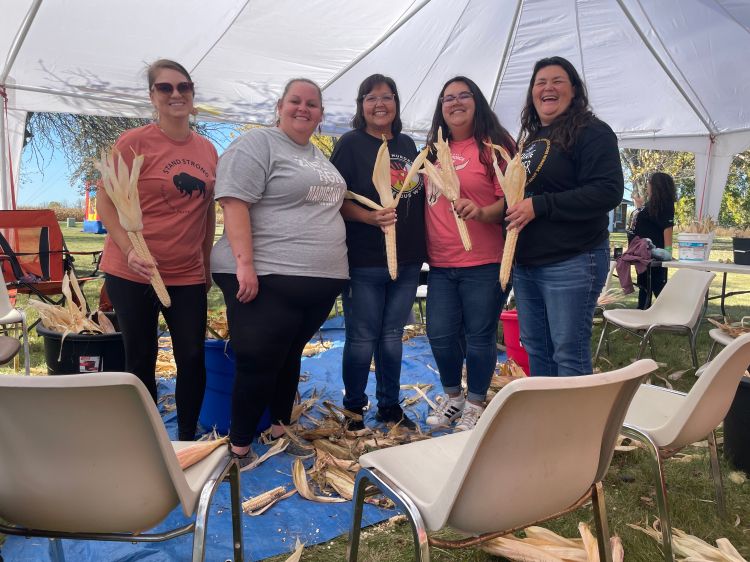
EAST LANSING, Michigan – Michigan State University (MSU) professor Krista Isaacs and Iowa State University (ISU) professor Christina Gish Hill are working with Native communities to establish seed-saving spaces and provide agricultural training for Native farmers to maintain high-quality, sustainable seed systems.
 The Native American Agriculture Fund (NAAF) awarded a $250,000 grant to Gish Hill and Isaacs to design and develop spaces that increase Native communities’ ability to produce sufficient seed for their farms and other Indigenous networks. It will also offer resources for those interested in establishing seed businesses. The project will run through 2027.
The project builds on a Sustainable Agricultural Research and Education (SARE) project, launched in 2024 to support Native communities as they work to increase seed sovereignty through the rematriation of Native seed and selection for historical and desirable traits.
Isaacs and Gish Hill partner with The Center for Rural Affairs (CFRA) and Nebraska Indian Community College (NICC) to provide access and resources for a range of users, from small gardeners to large-scale farmers. Increased seed production will support food and seed sovereignty and develop agricultural networks for members of the Omaha, Ponca, Santee Sioux, and Winnebago tribes.
For nearly a decade, Gish Hill has worked with Native communities to address the most pressing needs of farmers, previously working with tribal members to establish cover crop systems and improve soil health management practices.
More recently, growers have identified seed sovereignty and selection as their top priority and Isaacs has been supporting those efforts for nearly four years.
“Our main goal is to provide something like an ‘accelerator kitchen or incubator kitchen’ – spaces where start-up businesses or restaurants can test out ideas. We took that concept and applied it to seed-saver spaces,” Isaacs said. “Each community will designate seed-saver spaces that have the technology and resources needed for farmers and growers on all scales to come process their seeds. The idea is to help accelerate the process for entrepreneurs pursuing a seed business, while also increasing seed supply within the communities.”
Native seed recovery
Courtney Chavez, Chief Executive Officer of Tribal Affairs for the Ponca Tribe of Nebraska, works closely with the research team to identify the agricultural needs of Ponca members and help shape the vision of their unique seed and food sovereignty goals.
Chavez said the partnership with Iowa State and MSU assisted with preparation for the first harvest of traditional Ponca corn on Ponca land in more than 100 years.
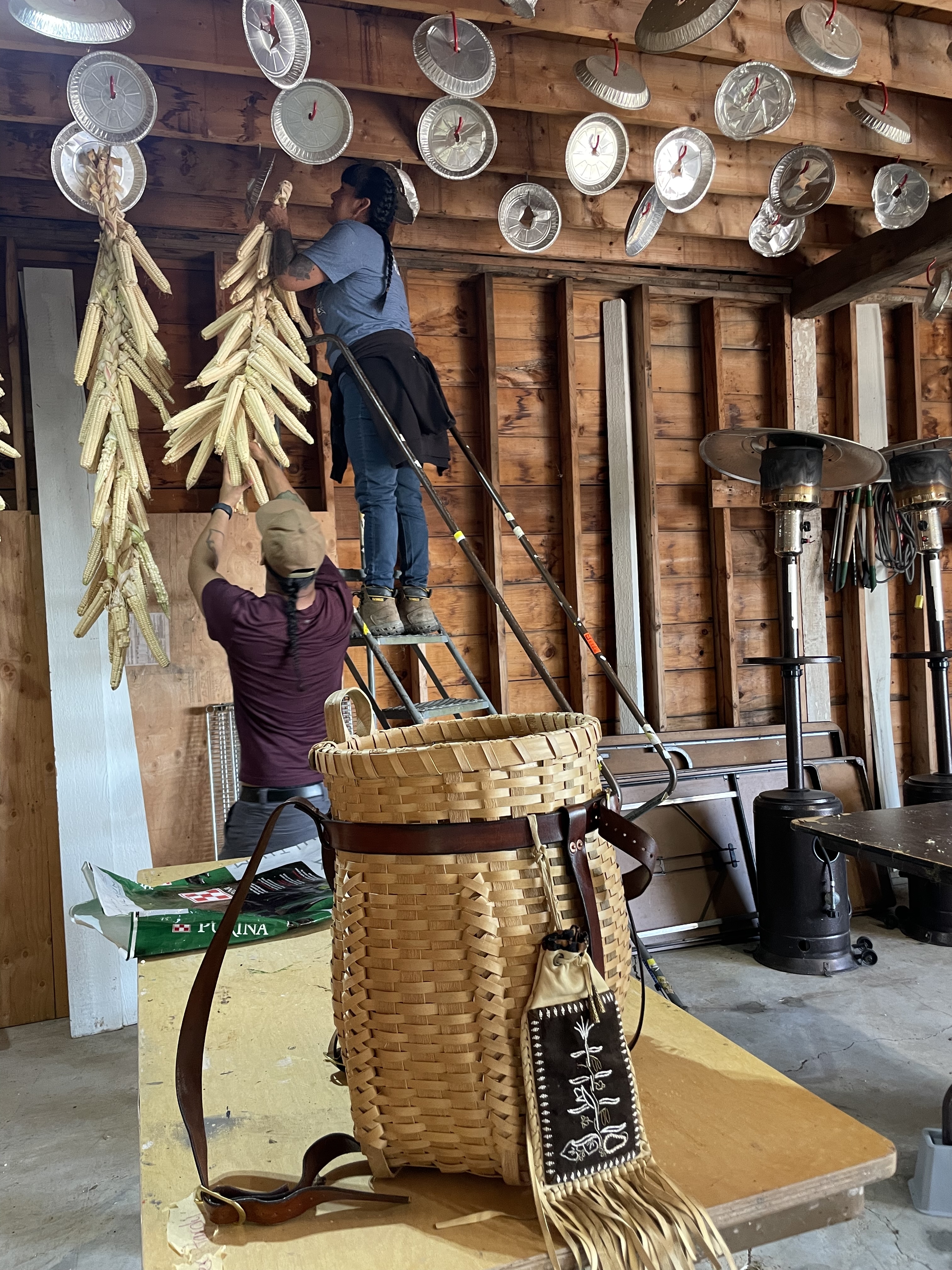 “2024 was the first time we planted our sacred corn on our homeland since our removal (in 1879),” Chavez said. “We've planted and harvested for two years now, and that has been very rewarding. Bringing our corn back to our homeland was a huge accomplishment. We got the researchers out in the field alongside members of our community of all ages, working with the land and with the seed. It was muddy and wet, so we were all sinking into the field, but it was a rewarding day.”
Isaacs and Gish Hill will continue to meet with representatives of each partner tribe over the next two years. The project will establish and develop seed-saving spaces, introduce processing technology and training, and educate growers on seed-selection processes that allow tribal members to select traits and characteristics relevant to their individual needs.
“Our projects really emphasize collaboration and emphasize that Indigenous growers lead the research,” said Gish Hill. “We are working with community members to identify growers, to identify places where they can grow, to access the seeds and to recover Indigenous knowledge about the varieties that are valued in their communities. Our partnerships with the tribal governments and tribal colleges allow us to provide learning opportunities where community members can come learn how to do all of this themselves.”
Chavez said the ability to process their corn crop will allow Ponca members to eat traditional meals using traditional crops.
“We’ve identified that we have members interested in growing and seed saving, but they don't have the foundational knowledge on how to select a seed, how to store seeds, how to grow, how to harvest or how to utilize the food once they have harvested,” Chavez said.
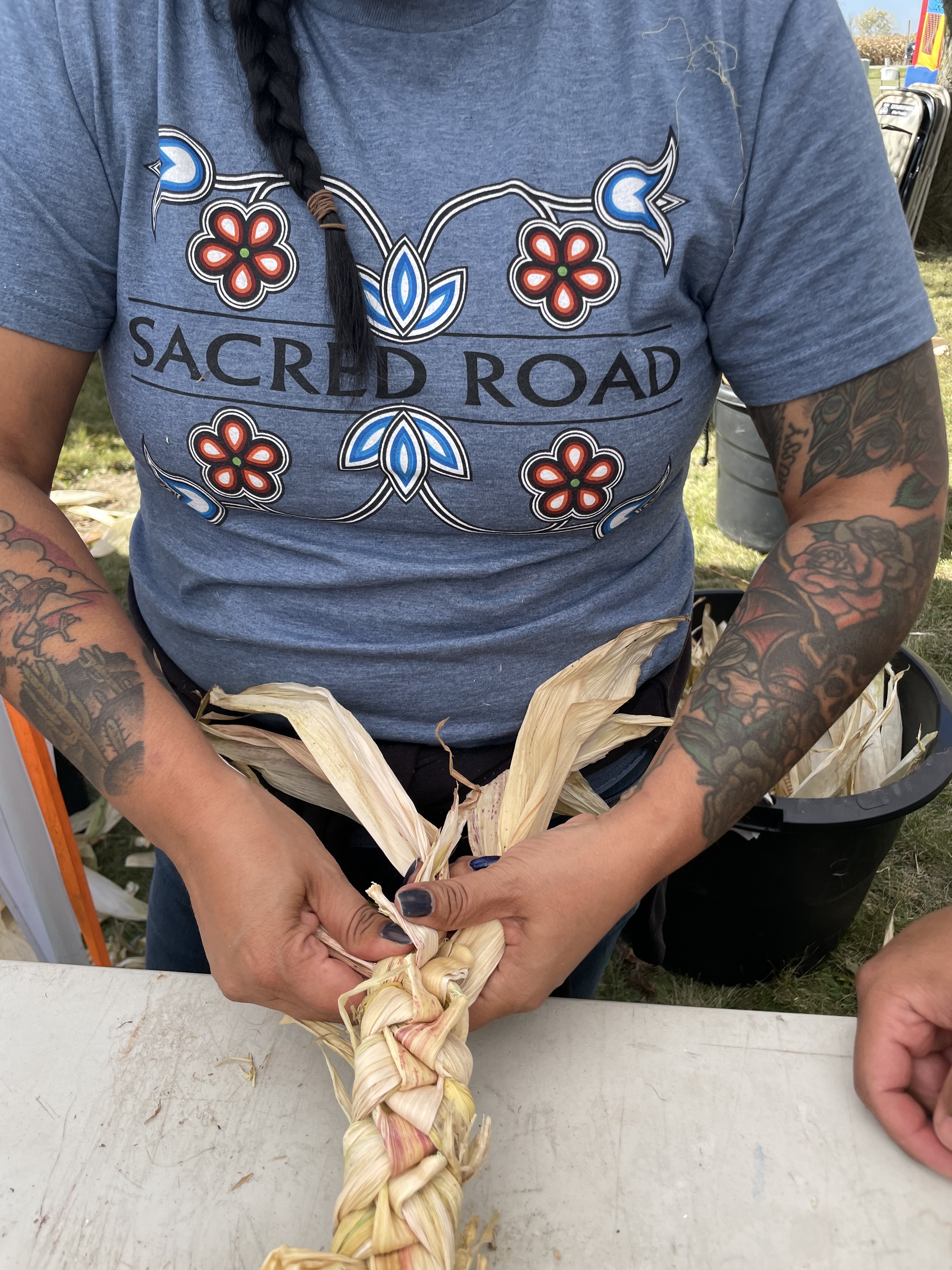
“Our corn is a flint corn, and right now, we don’t have the ability to process it. We're planting it, we're gathering it, and we have the seeds left over to continue our planting. However, we are not to the point where we can process the corn and use it for traditional foods. Getting to that point will be a huge accomplishment and will be very beneficial to our members.”
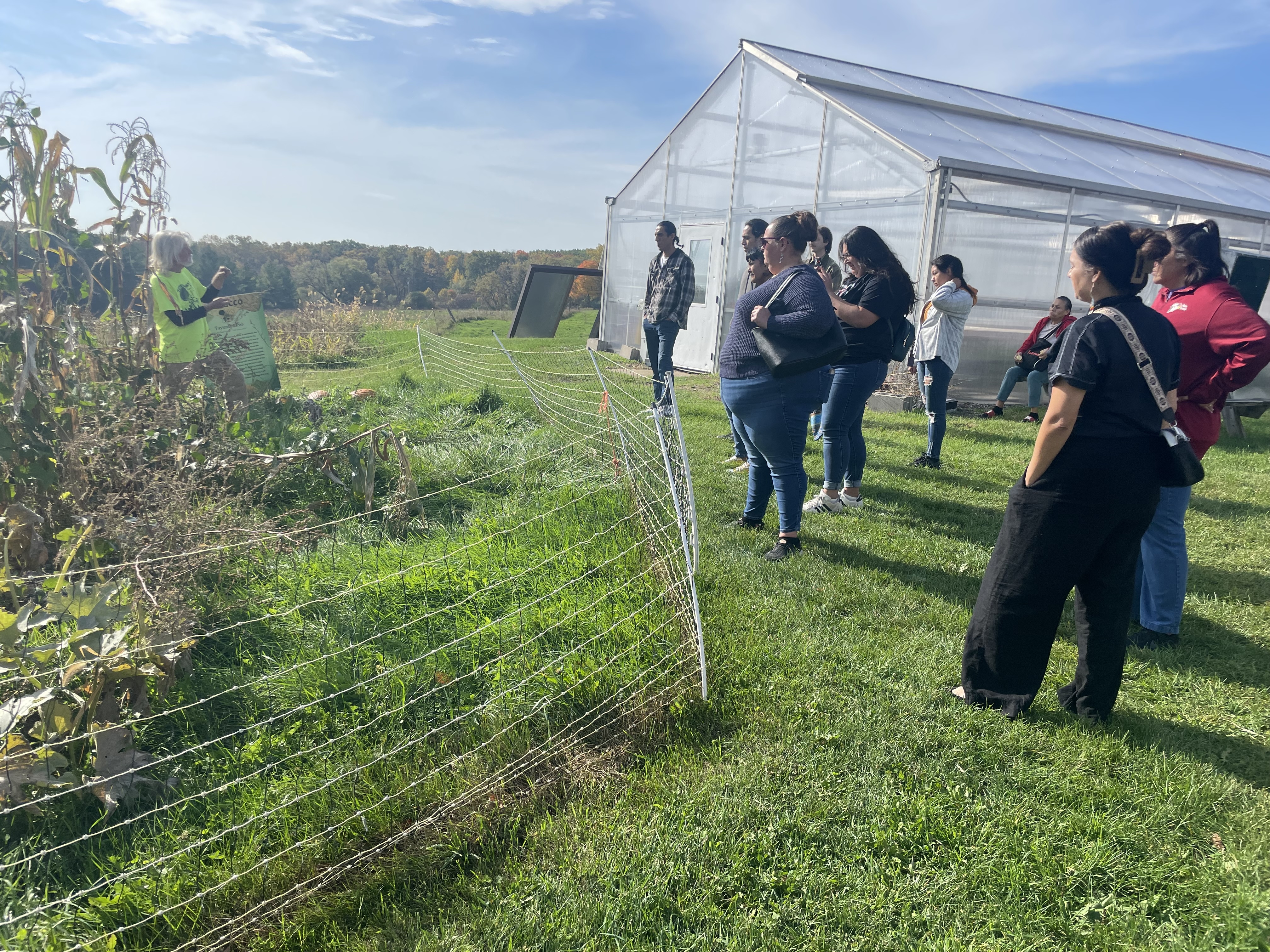
Angelina Magerl provides education, outreach and small-business assistance for The Center for Rural Affairs in Nebraska. Magerl works with tribal communities to provide nutrition, sustainable gardening, business and financial education for community members.
Magerl said the collaboration between the research team and the growers from each community will enhance the utility of each tribe’s seed-saving systems. The partnership allows expertise to be catered to the unique needs of individual growers. Hands-on learning opportunities with faculty, combined with curriculum development, will ensure future growers have the tools necessary to produce, process and distribute their crops.
“The seed visioning workshops, hosted here at CFRA and also on the NICC campus, allowed community members to share their needs and concerns with The Center for Rural Affairs and the faculty members,” Magerl said. “The collaboration allows us to build more trust to develop seed networks while also identifying the specific seeds relevant to specific tribal communities.”