Michigan chestnut crop report – May 11, 2026
 Print
Print Email
EmailBlack stem borer activity has begun. Growers should be trapping for adults and treating vulnerable trees.

Weather review
Over the last month, average temperatures have been above normal in southern Michigan and close to average across the northern Lower and Upper Peninsulas. This may be surprising since temperatures over the last seven to 10 days have been several degrees below average. Despite the recent cool down, accumulated growing degree days (GDD) base 50 degrees Fahrenheit are still well ahead of normal in southern Michigan. Growing degree days base 50 F in the northern Lower and Upper Peninsula are close to normal for this time of year.
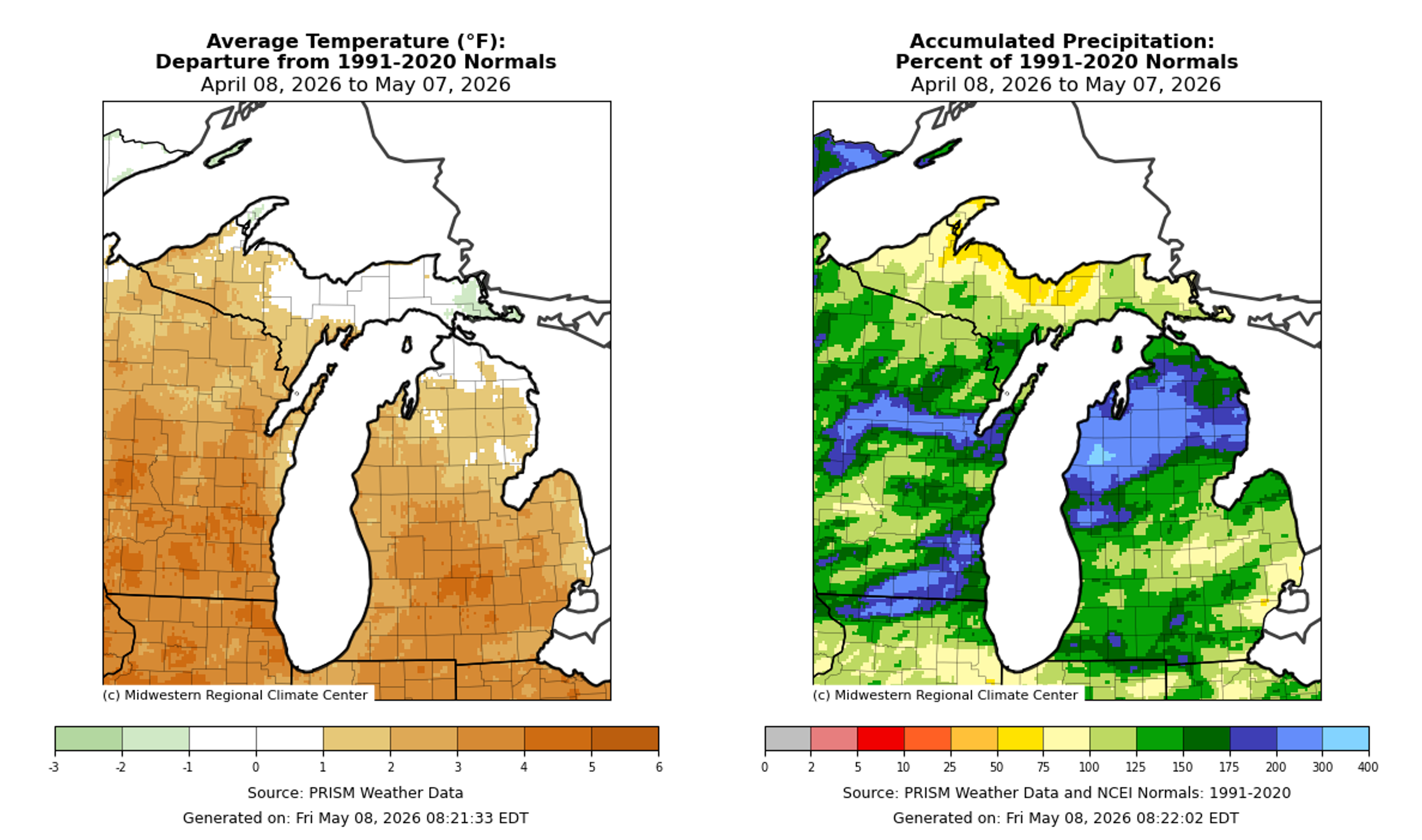
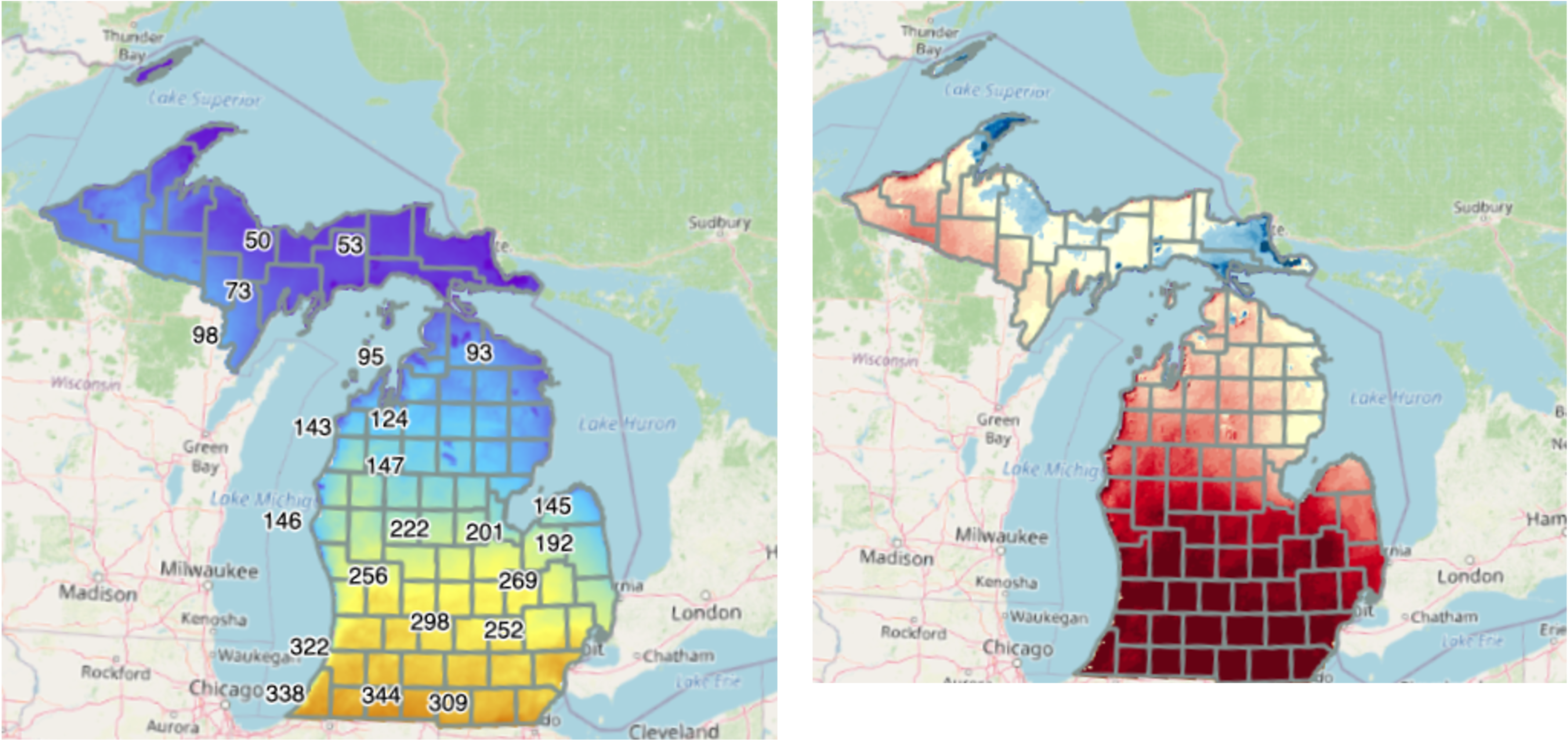
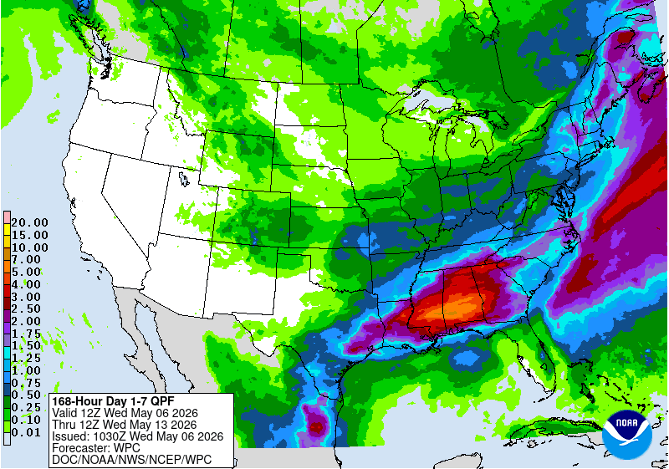
In terms of accumulated precipitation, most of southern Michigan is near average while some locations in the northern Lower Peninsula received up to 400% of normal accumulation. Along with the snow melting, this has led to extensive flooding in some locations. Most of the Upper Peninsula received close to normal levels of precipitation.
Looking ahead
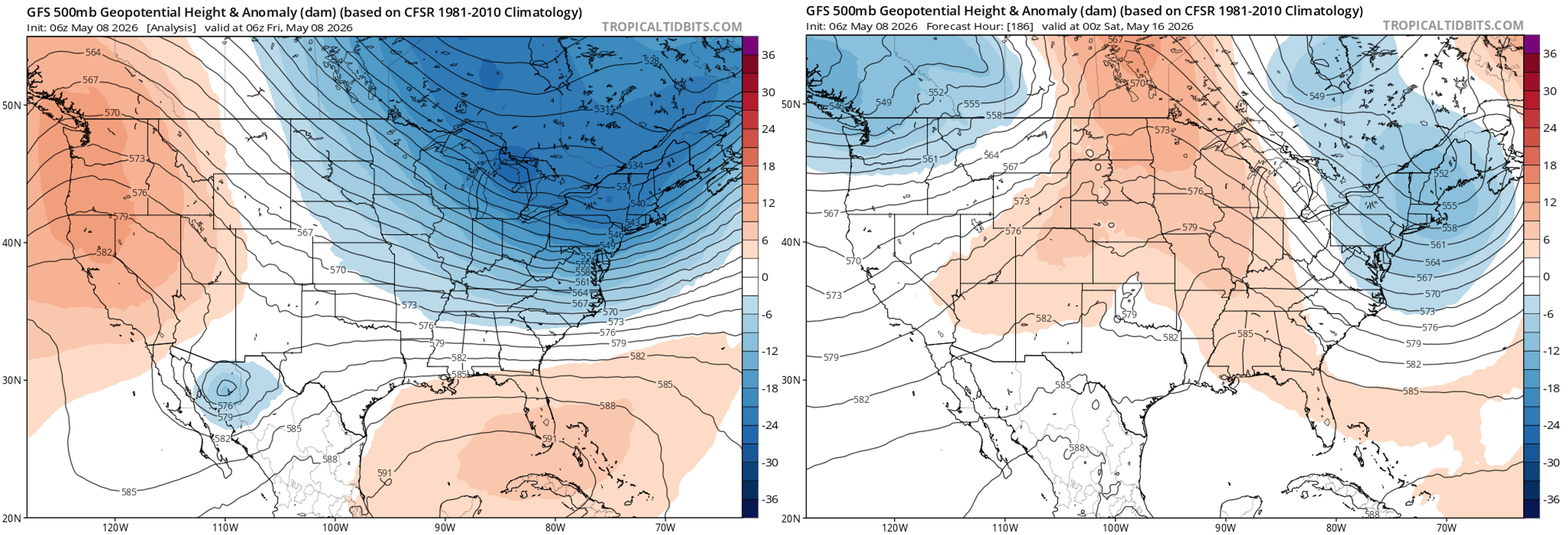
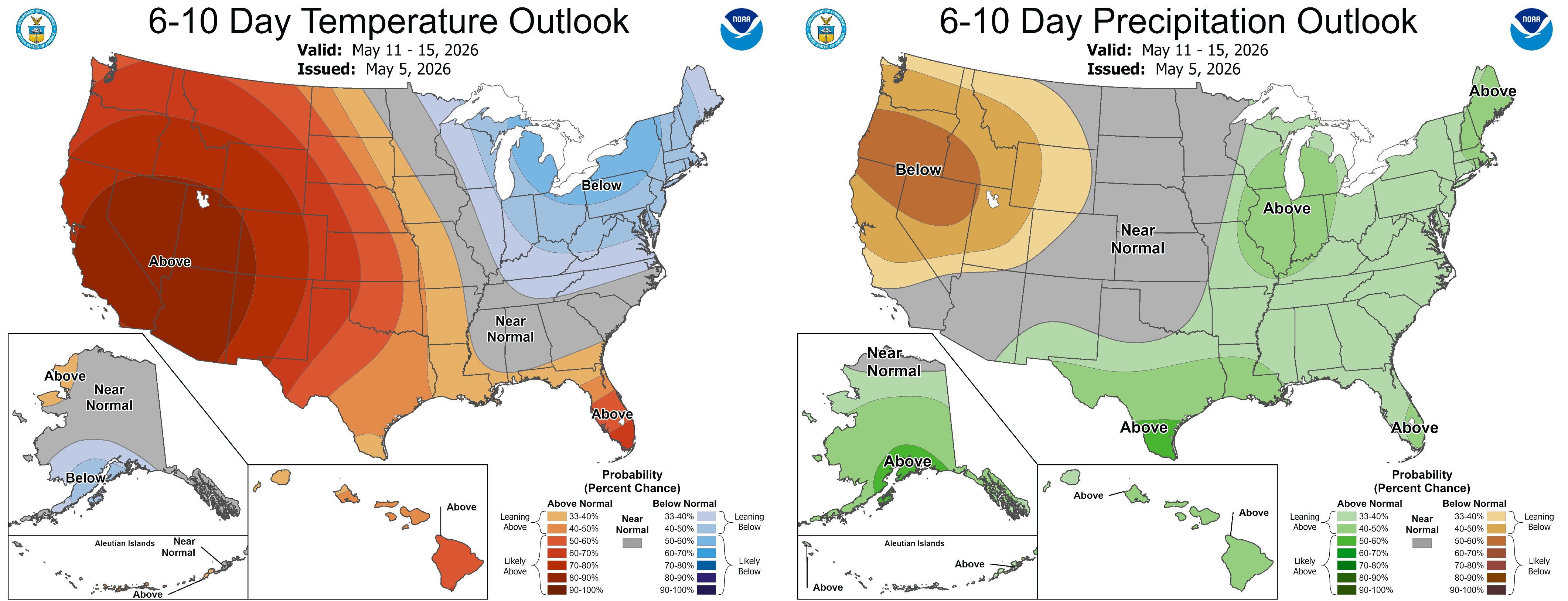
We started the work week with frosty conditions in northern Michigan. As the week progresses, temperatures should slowly climb to normal ranges after this long spell of colder than normal temperatures. The three-to-four-week forecast model predicts warmer than average temperatures.
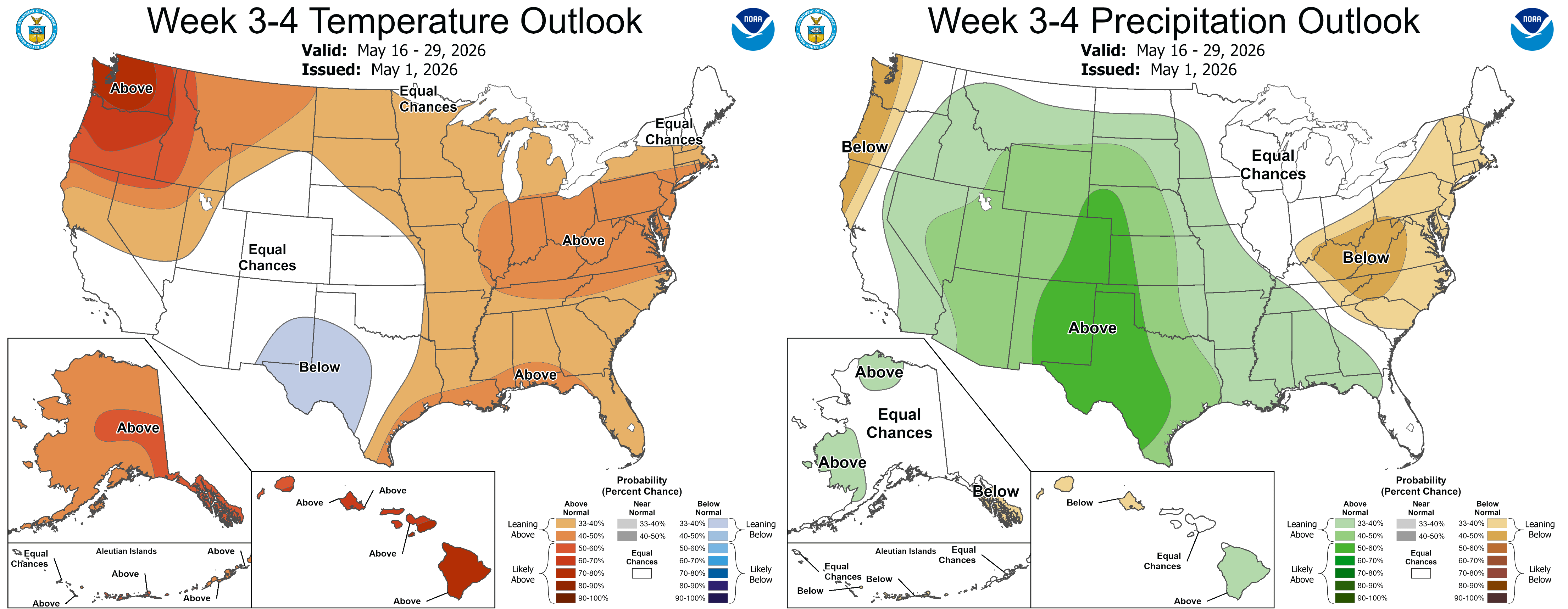
Visit MSU Extension’s Agriculture Weather page for the most recent agricultural weather forecast.
Management activities
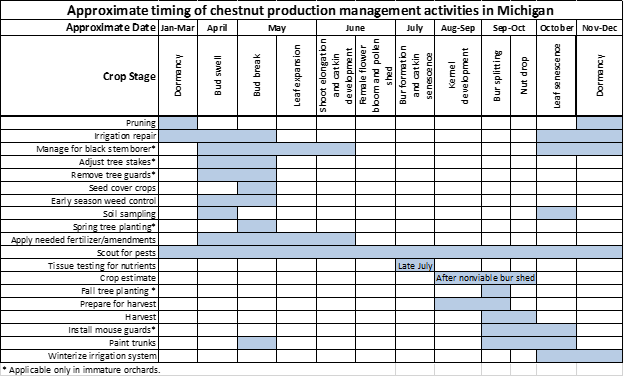
It is a busy time of year for orchard activities. Growers may be removing mouse guards, dusting off the irrigation and preparing for fertilizer application. This is also a great time of year to collect soil test samples and paint trunks to reduce southwest disease. Growers should also be kickstarting their scouting program, specifically looking for overwintering mite populations and trapping for black stem borer.
Fertility
Most growers using granular fertilizers are planning to apply them soon. For nutrient management considerations, please reference the Michigan Chestnut Management Guide or the Nutrient Management section of the MSU Extension Chestnuts website. To receive nutrient management recommendations from MSU, pick up a commercial test at your local MSU Extension office.
Insect pests
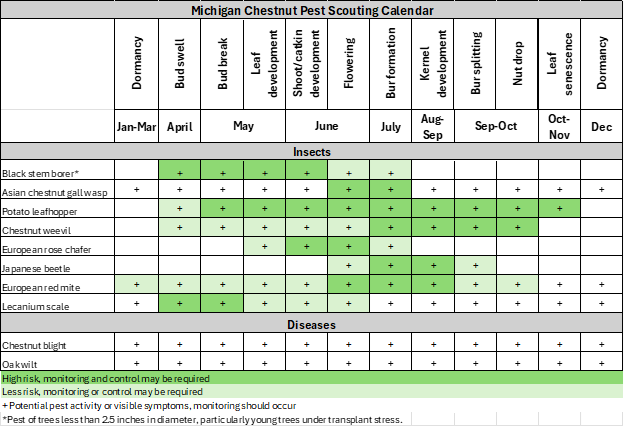
Black stem borer will infest and damage a wide variety of woody plant species, including chestnuts. Black stem borers are attracted to small trees with less than a 4-inch trunk diameter and stressed trees that produce ethanol. Female borers create tunnels in trunks to lay their eggs. These tunnels damage the tree’s ability to translocate water and nutrients.
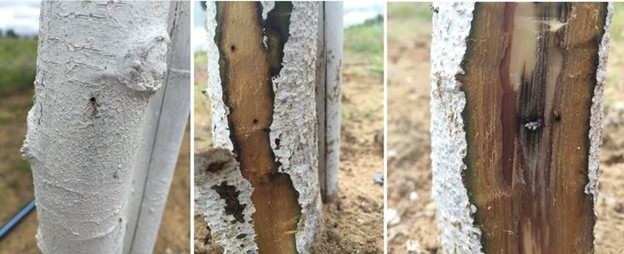
Overwintering adults become active in late April or early May after one or two consecutive days of 68 F or higher, often coinciding with blooming forsythia or greater than 100 DD50. Adult black stem borers are very small (0.08 inches long). Check degree day accumulations at the nearest MSU Enviroweather station.
You can use a simple ethanol baited trap to monitor for activity starting in mid-April. Place traps near wooded areas adjacent to the orchard and at a height of 1.6 feet. Hand sanitizer is an easy and accessible bait but should be refreshed every few days. Traps can consist of just a pop bottle (or similar container) with around a 0.5-1 cup of hand sanitizer and an entry hole added. Traps can be hung along the orchard perimeter.
Growers with small, vulnerable trees and positive trap catches, or a history of damage will need to apply a trunk spray to prevent damage. The time to spray an insecticide for this pest is when females are flying in the spring and before they colonize trees. Young trees near the perimeter of orchards, especially near woodlots, are at greatest risk of injury. Because they are so tiny, it is very difficult to visually monitor for adults in flight to determine the optimum time to apply an insecticide, so trapping as described above is recommended to detect adult activity and apply treatment.
Pyrethroid insecticides applied as trunk sprays have shown the most promise in reducing the number of new infestations within a season. For a list of registered pyrethroids for use in Michigan chestnuts, refer to the Michigan Chestnut Management Guide.
Later in the season, remove and burn any damaged, dead or dying trees. It is also important to make sure all large pruning debris and brush piles are either burned, or chipped and composted as they may harbor overwintering adults and contribute to future infestations. For more information on black stem borer, refer to the Michigan State University Extension bulletin, “Managing Black Stem Borer in Michigan Tree Fruits.”
European red mite is another pest to look out for early in the season. European red mites overwinter as eggs in bark crevices and bud scales and are the most commonly observed species in Michigan chestnut orchards. Eggs are small spheres, about the size of the head of a pin with a single stipe or hair that protrudes from the top (this is not always visible). Eggs can be viewed with a hand lens or the naked eye once you have established what you are looking for.
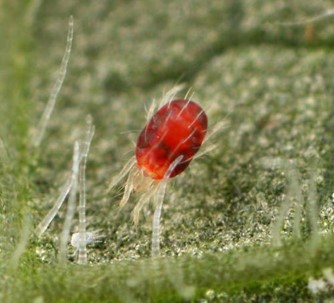
Scout for overwintering eggs and early nymph activity in the spring to assess population levels in the coming season. As temperatures warm, overwintering eggs hatch and nymphs move onto the emerging leaves and start feeding. Adult European red mites are red and have hairs that give them a spikey appearance. Adult and nymph feeding occurs primarily on the upper surface of the leaves. This first generation is the slowest of the season and typically takes a full three weeks to develop and reproduce. This slow development is due to the direct link between temperature and mite development. Summer generations, favored by the hot and dry weather, can complete their life cycles much faster with as little as 10 days between generations under ideal conditions.
While scouting, remember that not all mites are bad. Consider documenting the levels of predacious mites in your orchard. If healthy populations of mite predators exist, they will continue to feed on plant parasitic eggs and nymphs and can be an effective component of your mite management program. Predaceous mites are smaller than adult European red mite and twospotted spider mite, but they can be seen with a hand lens and typically move very quickly across leaf surfaces.
Mite control starts with monitoring early in the spring looking for the overwintering eggs (European red mite) and assessing the mite pressure. Ideally, use limited insecticides with miticidal activity in your season long programs as that protects beneficial mite populations which help minimize pest mites. If pest mite populations are high enough to require control, superior oil application when the trees are dormant is an effective method of treatment. If issues with mites arise during the growing season, refer to the Michigan Chestnut Management Guide for control options.
Disease
Existing chestnut blight infections (caused by Cryphonectria parasitica) can be observed at this time. There are no commercially available treatments for chestnut blight. You can prune out infected branches or cull whole trees as needed to limit disease pressure. Infested material should be burned or buried to further limit inoculum spread. To learn more about chestnut blight, visit the pest management section of the chestnut webpage.
.JPG?language_id=1)
Stay connected
For more information on chestnut production from Michigan State University Extension, sign up for the Fruit & Nuts MSU Extension Newsletter, attend the MSU Chestnut Growers Chat Series and visit the MSU Extension Chestnuts website.
If you are unsure of what is causing symptoms in your field, submit a sample to MSU Plant and Pest Diagnostics. Visit the webpage for specific information about how to collect, package, ship and take pictures of plant samples for diagnosis. If you have any doubt about what or how to collect a good sample, please contact the lab at 517-432-0988 or pestid@msu.edu.
Become a licensed pesticide applicator
All growers using pesticides can benefit from getting a pesticide applicator license, even if not legally required. Understanding pesticides and the associated regulations can help you protect yourself, others and the environment. Michigan pesticide applicator licenses are administered by the Michigan Department of Agriculture and Rural Development. You can read all about the process by visiting the Pesticide FAQ webpage. Michigan State University offers a number of resources to assist people pursuing their license, including an online study/continuing education course and study manuals.
This work is supported by the Crop Protection and Pest Management Program [grant no 2024-70006-43569] from the USDA National Institute of Food and Agriculture. Any opinions, findings, conclusions, or recommendations expressed in this publication are those of the author(s) and do not necessarily reflect the view of the U.S. Department of Agriculture.