Global Biotechnology Symposium; Agricultural Biotech for a Better World
 Print
Print Email
EmailAt MSU’s Agricultural Biotech Symposium, over 90 stakeholders, regulators, policymakers, scientists, and international development professionals from 19 countries gathered to explore global perspectives on agricultural genetic engineering fields
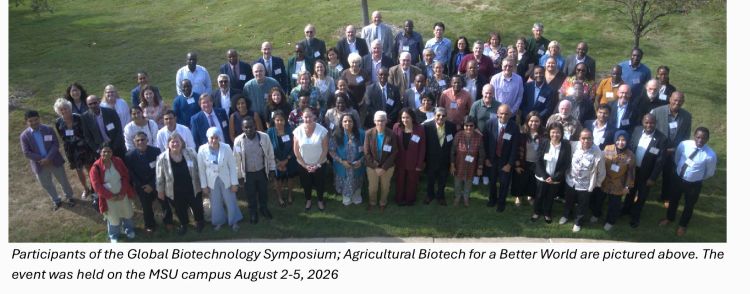
Michigan State University recently hosted the Global Biotechnology Symposium; Agricultural Biotech for a Better World bringing together over 90 agricultural stakeholders, regulators, policymakers, research scientists, and international development professionals from 19 countries to explore global perspectives in agricultural genetic engineering.
The symposium opened at the MSU Henry Center for Executive Development with welcome greetings from MSU administration and a keynote address from Lawrence Kent, Senior Program Officer of the Gates Foundation, a leader in global agri-biotechnology funding.
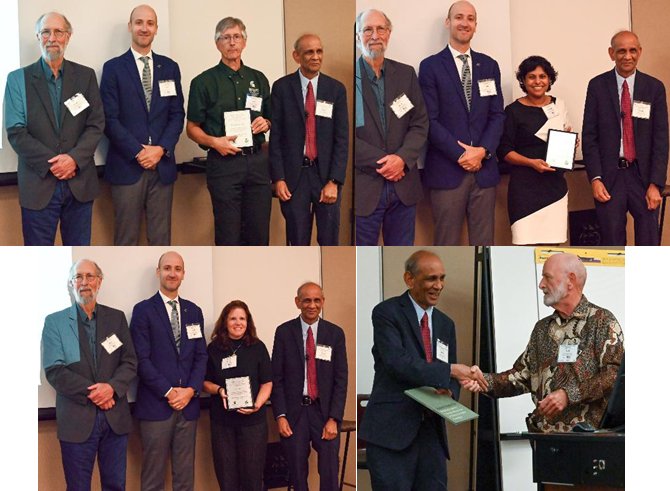
Dr. Karim Maredia, Associate Dean and Director of the World Agriculture Center within MSU’s College of Agriculture and Natural Resources (CANR), and his team organized the symposium which included a celebration of the 25th anniversary of the annual summer International Agricultural Biotechnology, Biosafety, and Technology Transfer Short Course offered through CANR. Since its inception, the course has hosted attendees from 97 countries. PSM’s Professor Emeritus in International Agronomy, Dr. Russ Freed recognized the significance of Dr. Maredia’s global contributions to agricultural biotechnology over the last quarter century during the symposium’s reception and PSM’s Dr. David Douches, Dr. Cholani Weebadde, Dr. Christy Sprague and Ms. Kelly Zarka were honored as invaluable resources and course contributors throughout the program’s 25 years.
The symposium focused on topics impacting global agricultural biotechnology which include science and innovation, policy and regulations, technology transfer, commercialization, seed systems, international trade, public acceptance, capacity building, communication, education and training. Panel discussions strategized ways to strengthen food security, improve environmental sustainability, support global economic growth and improve the livelihoods of millions around the world through agricultural biotechnology.
PSM’s Potato Breeding and Genetics Program, led by Dr. Douches, has conducted potato research using agricultural biotechnology for over 30 years and is a founding member of the Global Biotech Potato Partnership (GBPP), a collaboration between MSU, the International Potato Centre (CIP), and the African Agricultural Technology Foundation (AATF) to bring disease resistant potatoes to smallholder farmers across the Global South through the use of genetic engineering. Attending the symposium from the GBPP were Dr. Douches, Dr. Dan Zarka, Ms. Kelly Zarka and Ms. Jan Fierro from PSM; Dr. Eric Magembe from CIP (Rwanda) and Mr. Abed Mathagu from AATF (Kenya). MSU potato research international graduate students, Mr. Joseph Ulasi (Nigeria) and Mr. Shyam Halder (Bangladesh) working on potato research using genetic engineering under Douches were also in attendance.
The GBPP, which works across all the symposium topics, was an integral part of the event participating in panels and leading breakout sessions. Symposium participants also visited the current potato breeding field trial onsite at MSU which features GBPP products in addition to other genetic engineered products from Douches’ MSU breeding program.
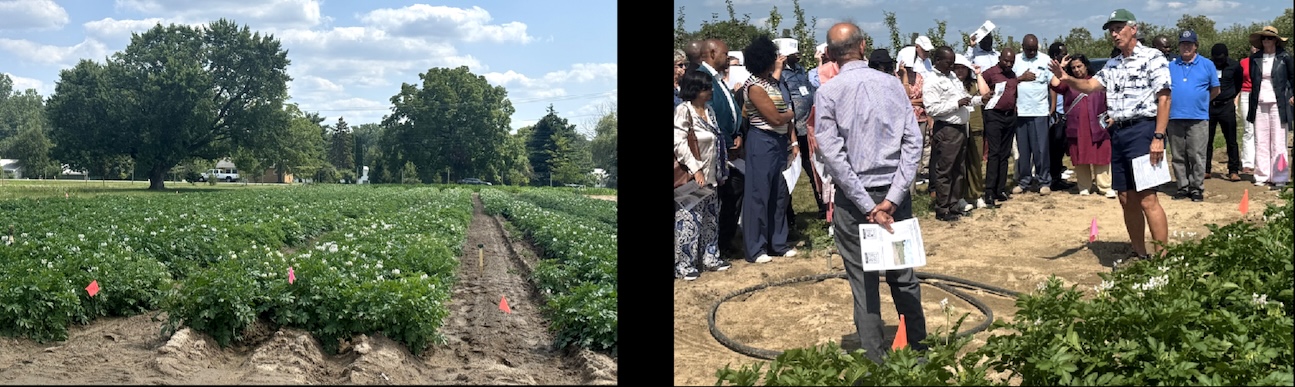
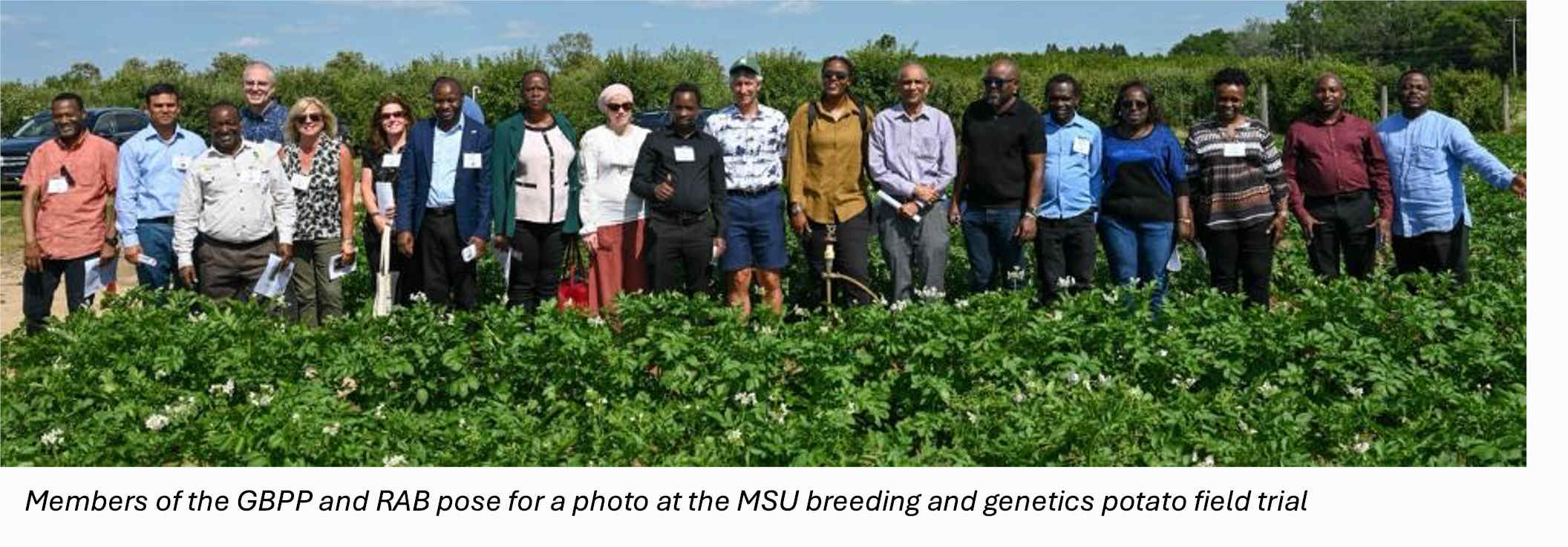
In addition, GBPP is working to bring a late blight resistant potato developed with genetic engineering to Rwanda under the Rwanda Agri-Biotech Programme funded by the Gates Foundation. Several project partners from the Rwanda Agricultural and Animal Resources Development Board (RAB) also attended the Symposium and provided insight into the nuances of navigating national regulatory systems, building local capacity and communication and advocacy of agricultural biotechnology products in a developing country context. The symposium provided the GBPP an opportunity to maximize exposure through side-meetings and tours of the Douches lab, greenhouses and field research facilities.
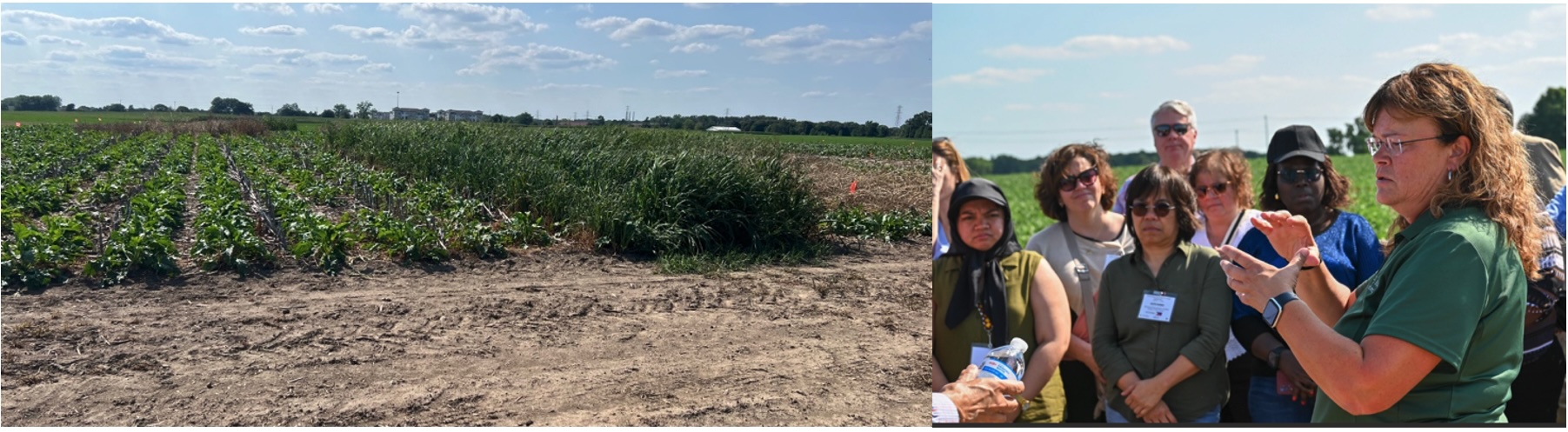
The symposium participants also visited the herbicide-tolerant genetically engineered Sugar Beet Technology showcased by Dr. Christy Sprague. Going by a “seeing is believing” theme, the participants of the symposium were able to see the benefits of weed control provided by the herbicide tolerance traits used in sugar beets, an important crop for Michigan considering it is the third largest beet sugar producer in the U.S. Dr. Sprague demonstrated the effectiveness of the Roundup Ready (Glyphosate-tolerant) sugar beets as well as the new multi-staked three gene Truvera Sugar Beets providing tolerance to glyphosate, glufosinate and dicamba herbicides. She also had a control plot of sugar beets where weeds were not controlled, and it was hard to spot the sugar beets in the plot! Dr. Sprague was recognized for her continued support of the Biosafety and Agricultural Biotechnology short courses.
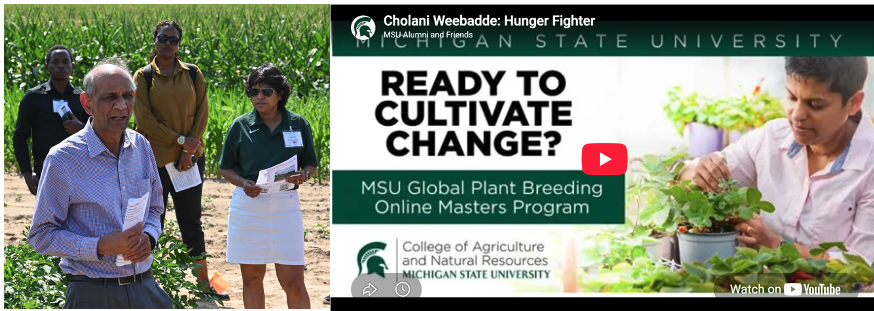
Dr. Cholani Weebadde was also recognized at the symposium for her contributions to the Biosafety and Agricultural Biotechnology courses since 2005. Prior to becoming the Plant Breeder for International Programs at MSU, she worked closely with Dr. Maredia, organizing the Biosafety and Agricultural Biotechnology short courses and delivering lectures. Currently, Dr. Weebadde is taking MSU's plant breeding education beyond Michigan and the United States with the MSU Global Plant Breeding Online Master's program, the first online degree program offered by PSM, to bridge knowledge gaps identified over a decade of work in international agriculture capacity building, education, and training. The courses in the online master’s program particularly address the topics covered in the symposium, including how biotechnology tools in plant breeding are affecting science and innovation, policy and regulations, technology transfer, commercialization, seed systems, international trade, public acceptance, capacity building, communication, education, and training.