Etymology in Entomology
 Print
Print Email
EmailWhat's in a name? Scientific names bring clarity, consistency – and even a little fun – to the way scientists study and talk about the natural world.
When someone says, “Ewww, a daddy longlegs!”, what type of animal do you think of first? A spider (Pholcus spp.), a fly (Tipula spp.), or a harvestman (Leiobunum spp.)? The animal could be any one of those because, depending on your age or where you live, names are used differently.
Sometimes one name is applied to multiple different species, or multiple names are applied to one species. This can cause confusion in biological experimentation and observation. Referring to a species as “Daddy longlegs” does not allow for the repetition of an experiment due to the ambiguity of the name, and repeatability of experiments or verification of observation, in part, defines science.
To solve this problem Carl Linnaeus (1707–1778) devised a naming system to apply to animals and plants. Just like many people who use two names, a first and surname, Linnaeus created a binomial system, where a generic name is followed by a specific name. This combination provides a system of unique species names.
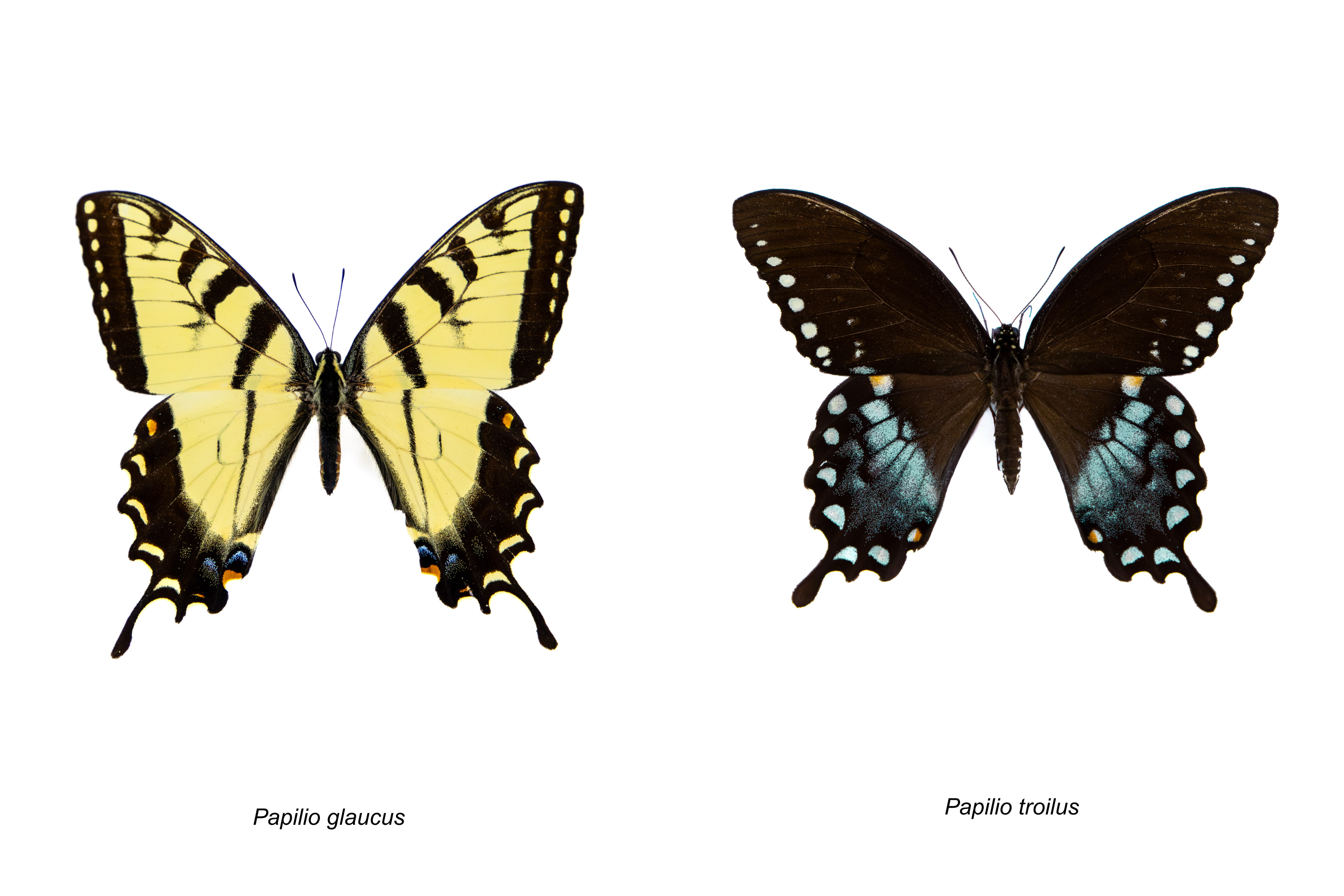
Take swallowtail butterflies described by Linnaeus, for example. The genus Papilio includes more than 500 species, but Papilio glaucus is mostly yellow and feeds on the leaves of many different tree species, while Papilio troilus is an iridescent black and green butterfly that feeds mainly on plants in the laurel family. Although both are swallowtails, their scientific names are uniquely tied to each species and allow scientists to clearly distinguish between them during research and observation.
When a species is discovered, it is described and named. A unique species name is always given and if the species does not belong to a known genus, then a new genus name is also given. Rules for naming species were established over 100 years ago.
Traditionally, names are Greek, Latin or Latinized words, but the use of modern languages is becoming more common. Names originate from three common themes: 1. a descriptor of something striking about the animal’s appearance or biology, 2. a place, or 3. a person or thing (real or fictional).
Creation of names ranges from the dull to the imaginative, for example, Musca domestica Linnaeus (literally meaning “house fly”) and Musca crassirostris Stein (literally meaning fat-snouted fly). However, given that over a million species names have been used, contemporary authors are more creative in the need to compose unique names.
Over the years, researchers associated with the A.J. Cook Arthropod Research Collection (ARC) have described new species and deposited specimens that represent the species name in the collection. These “holotype” specimens have great scientific value because they represent the concept of the described species. If there is ever any doubt of the species’ validity, then the holotype specimen must be examined. The ARC holds 256 holotypes with a variety of scientific names that reflects the species’ attributes and the authors’ personalities. Below are few examples:
|
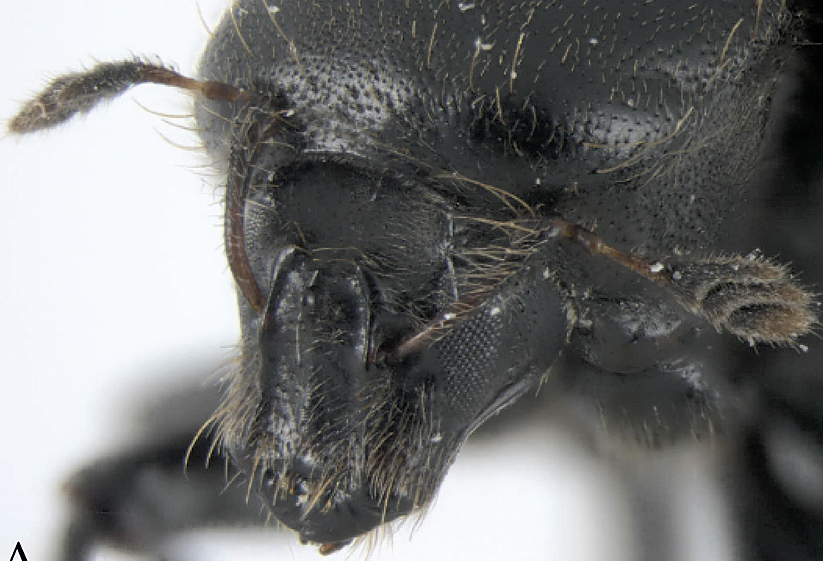
1) Dryotomicus oenophilis Cognato & Smith Literally: “Wine loving tree-cutter,” the species was named this because specimens were collected in traps baited with ethanol. |
 |
|
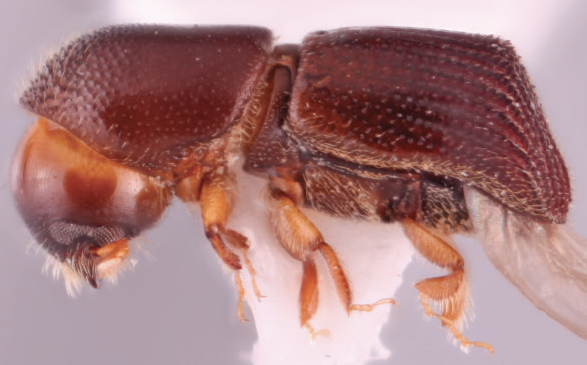
2) Arixyleborus phiaoacensis Smith, Beaver, & Cognato Literally: “The exceptional wood-glutton from Phia Oac,” the name refers to Phia Oac National Park in Vietnam. The genus belongs to xyleborine beetles that bore into trees and is notable for its exceptionally beautiful body sculpturing. |
 |
|
3) Sesia spartani Eichlin & Taft Literally: “Spartans’ clearwing moth,” the species was named in honor of the MSU Spartans and reflects discovering researcher Taft’s academic home. |
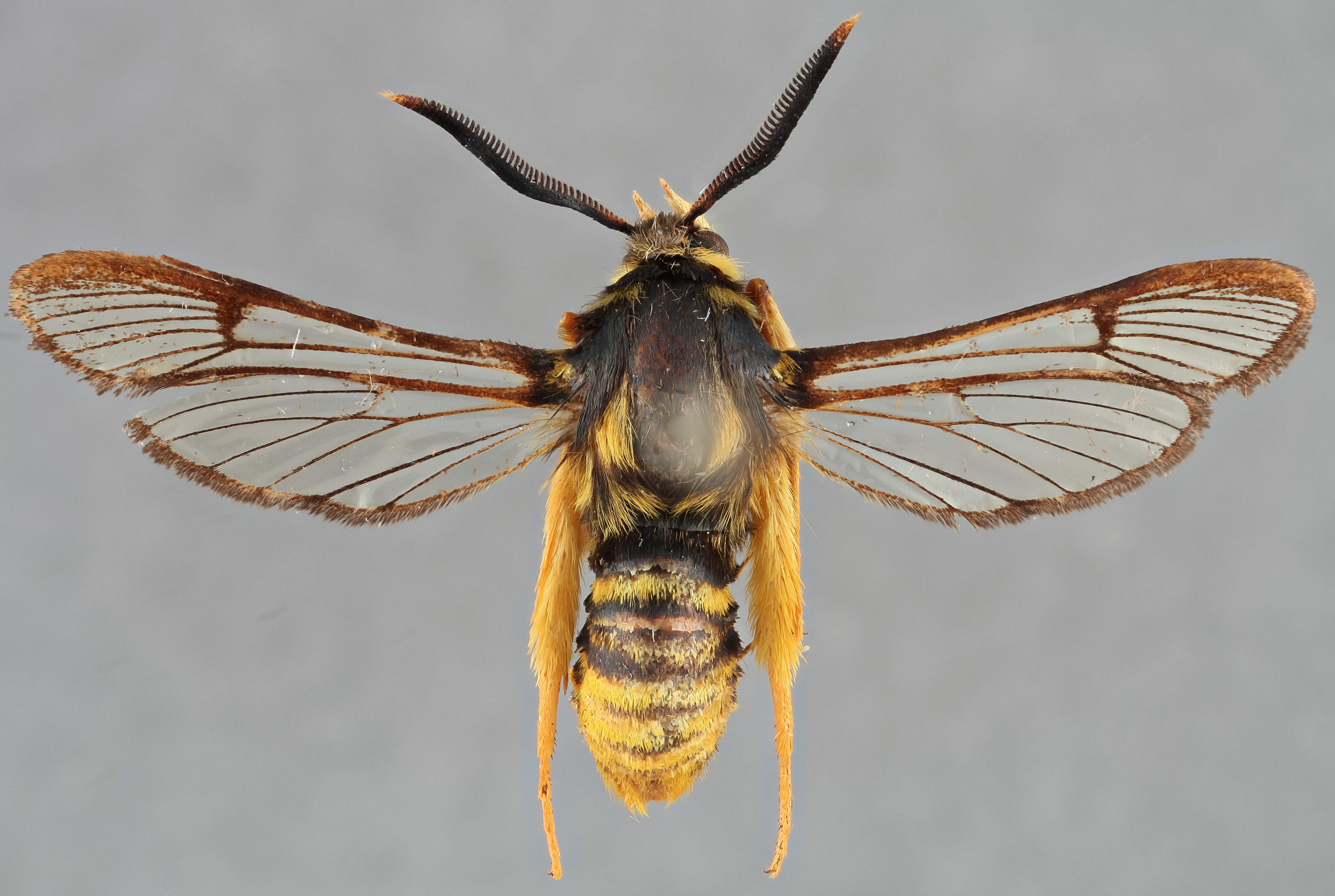 |
One could make a study out of species names, their meanings and the authors’ motivations. The names often reflect current culture and the values of the authors. Indeed, hundreds of species are named for pop stars, heroes, heroines and villains of reality and fiction. These names may seem flippant, but no matter the pop star, the scientific species name is an important tool that allows scientists to effectively communicate among current and future researchers and the public.