Start thinking now about holding your soil in place
 Print
Print Email
EmailIt is not too late to consider which cover crops can reduce snirt.
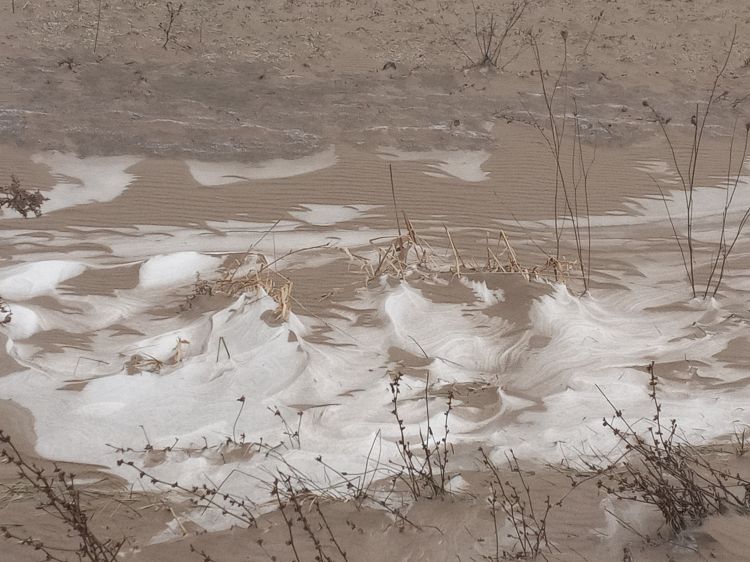
It is not too late to consider which cover crops can reduce snirt this fall, winter and next spring. What is snirt, you ask? “Snirt”—snow mixed with dirt that takes on a dirty appearance—was quite evident this past winter in parts of the Saginaw Valley on coarser-textured soils with no residue or cover crops planted. High winds combined with alternating dry and wet conditions created ideal conditions for soil movement. A lack of ground cover coupled with low soil resilience is a dangerous combination for erosion.
On several occasions this winter, soil erosion was highly visible and even hazardous, creating dust storms that reduced visibility for drivers. Dirty snow collecting in ditches is a clear sign valuable topsoil is being lost—either into roadside ditches or onto neighboring fields. This topsoil is critical to healthy plant production, as it contains essential nutrients, including immobile nutrients such as phosphorus and potassium.
Even under high winds or record-setting rain events, erosion can occur in well-managed systems. However, building resilient soils should remain your long-term goal. Two of the five soil health principles—maintaining soil cover and limiting soil disturbance—play a significant role in keeping soil in the field for both current and future generations.
Plant cover crops
“Cover crops are effective at reducing impacts of wind erosion in high wind events,” stated Bruce MacKeller, a Michigan State University Extension field crops educator, in an article where he noted soil was held in place with cereal rye compared to fields with very little or no vegetation on the soil surface. Soil loss through wind erosion can be significant, especially on droughty, coarse-textured soils. The finer clay soil particles which ties to nutrients such as potassium and phosphorus are carried away from these fields.
Maintain soil cover
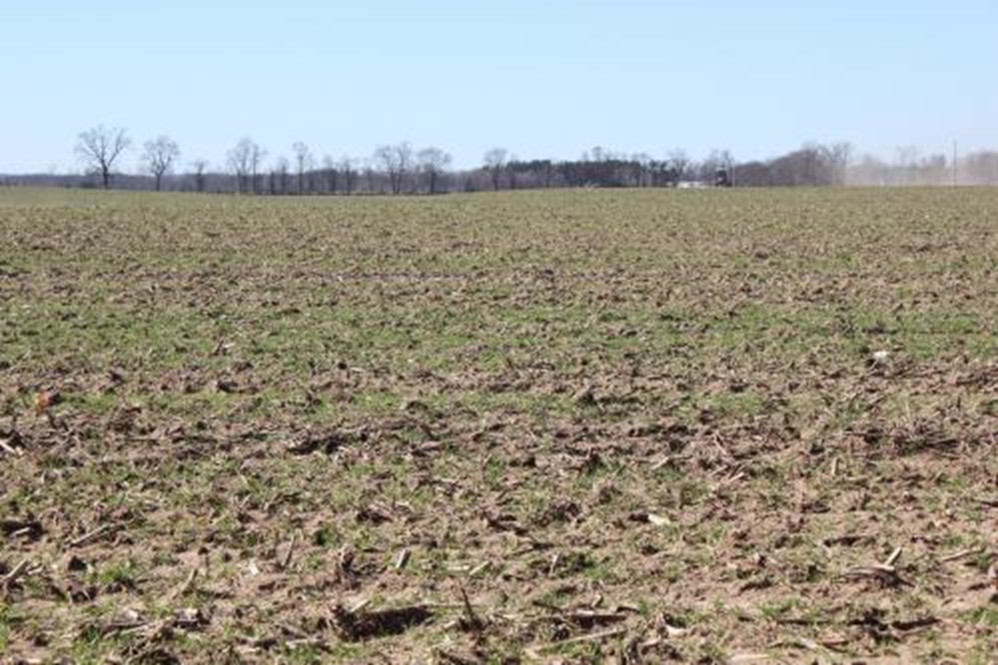
Wind erosion can begin at wind speeds as low as 12 to 15 miles per hour. This is why crop residue from the previous season and living cover crops are so effective — they slow wind velocity at the soil surface and absorb the energy from wind and water. Research shows for every inch of crop residue left on a field, up to 4 inches of horizontal protection from erosion can be provided (residue height × 4 = distance of protection).
Crop residues also play a vital role in nutrient cycling by returning remaining nutrients back into the soil, helping keep them in place. Michigan Soil Health Progress Report - Managing Soil Health is a great tool. Soil cover—whether crop residue or cover crops—can reduce weed pressure, moderate soil temperatures, improve moisture retention, reduce compaction and surface crusting, and provide habitat for diverse soil microbial communities.
Reduce soil disturbance
Tillage is one of the most significant forms of soil disturbance. Research and on-farm experience continue to show tillage can reduce water infiltration by destroying natural soil pores and root channels transporting water through the soil profile. Preserving soil moisture is especially critical in dry years, as soil organic matter can hold up to 20 times its weight in water.
Tillage also accelerates the loss of soil carbon by exposing organic matter to oxygen, stimulating microbial activity releases carbon dioxide (CO₂) into the atmosphere. Healthy soils naturally receive the oxygen and nutrients they need through plant growth and biological activity. Growing a diversity of plants supports increasing organic matter (slowly over time) and soil biology—one teaspoon of healthy soil can contain anywhere from one hundred million to one billion microorganisms.
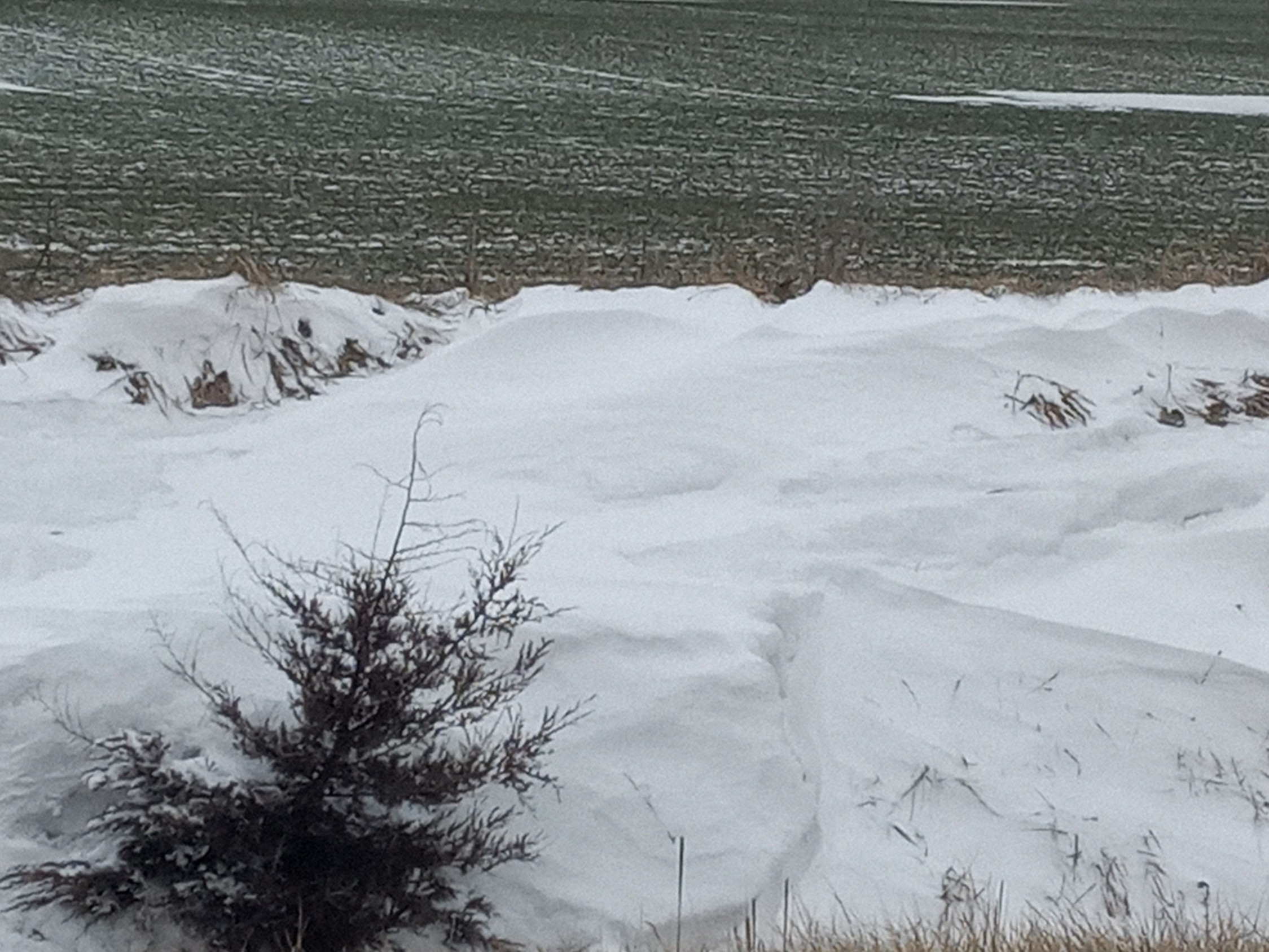
Wind erosion can be reduced by minimizing tillage and maintaining soil cover through crop residue and cover crops. Every farming operation is unique, and a whole-systems approach is often the most effective way to reduce soil erosion and snirt. Start making decisions today to keep your soil where it belongs so it remains productive and continues to work for you well into the future.